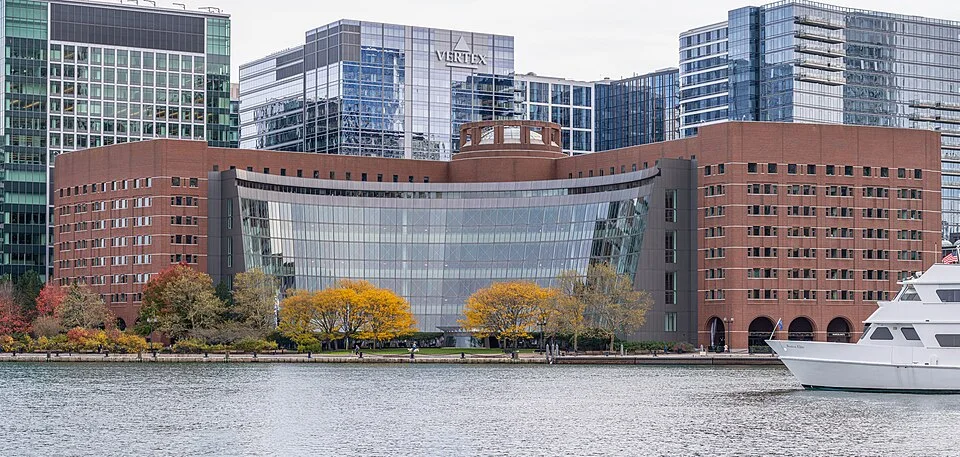
A federal judge in Massachusetts on Monday, Nov. 16, threw out a Department of Homeland Security rule that would have capped how long international students, exchange visitors and foreign journalists can stay in the United States.
The rule would have ended "duration of status," the decades-old system that lets F-1 students and J-1 exchange visitors stay as long as they remain in their programs. In its place, DHS planned fixed admission periods of no more than four years, with an application to DHS for more time. U.S. District Judge F. Dennis Saylor IV vacated the rule in full, finding it arbitrary and capricious and, in part, beyond what the law allows.
The rule never took effect. Saylor had already postponed it in September, so nothing changes for students now in the United States. The current system stays in place unless an appeals court rules otherwise.
What the rule would have changed
DHS published the rule on July 17, 2026. Beyond the four-year limit, it would have barred students from several common academic paths, according to the order. Students could not have taken on long programs such as some Ph.D.s, earned joint degrees, changed their concentration, or enrolled in a program at the same or a lower level than one they had already finished.
That last part, Saylor wrote, went beyond the power Congress gave DHS. The F-1 visa exists "to permit, and indeed encourage, foreign students to pursue educational opportunities in the United States," he wrote. He gave the example of a strong student seeking a joint graduate degree in electrical engineering and business, who would be "without doubt a 'bona fide student.'"
Put bluntly, the judge wrote, DHS "is seeking to prevent or discourage the very activity" that Congress wanted to allow, which is educating foreign students in the United States.
Why the judge rejected it
DHS said the change would fight fraud and protect national security. Saylor found that the agency did not show how a new renewal system after four years would catch fraud better than the student tracking system it already runs, known as SEVIS, or that the benefits outweighed what he called the "immense costs" of dropping the current system.
DHS had asked the court to send the rule back to the agency without striking it down. Saylor declined, noting that "the current regime has existed for decades, and the Final Rule has not gone into effect."
Who sued and what happens next
College groups and unions brought the case, Presidents' Alliance on Higher Education and Immigration v. Department of Homeland Security. Plaintiffs include NAFSA: Association of International Educators, the American Federation of Teachers, the UAW and The NewsGuild-CWA, which represents journalists. "Today's ruling is a clear and important victory for international students and scholars," Miriam Feldblum, the alliance's president, said in the coalition's statement.
The government has already appealed the September order to the U.S. Court of Appeals for the First Circuit, where that appeal is pending.
The ruling comes as international enrollment falls. Edit USA reported Monday that international students in the U.S. fell 2.7% to 1.15 million in the 2025-26 school year, with new enrollment down 18%.