Flu hospitalizations are running higher for this point in the season than in any year since 2010, and they are still rising as Thanksgiving travel begins. In its latest weekly flu report, covering the week that ended Nov. 14, the Centers for Disease Control and Prevention said the cumulative hospitalization rate in its surveillance network had reached 12.0 per 100,000 people, the highest for that week of the season since 2010-11.
Hospitals reported 11,734 patients admitted with confirmed flu that week, up from the week before, and the CDC estimates that the season so far has caused at least 3.7 million illnesses, 50,000 hospitalizations and 2,800 deaths. Seven children have died of flu-related causes this season. Two were added in Friday's report.
The next report is due Nov. 30. The CDC is skipping its usual Friday release over the holiday.
Where flu is hitting hardest
Eleven states and other jurisdictions had high or very high levels of flu-like illness in doctor's office and emergency visits, up from eight a week earlier. Another 13 were at moderate levels. Visits for respiratory illness rose in every age group, while the share of samples testing positive for flu at clinical labs held at about 11.8%, roughly the same as the week before.
These states had the highest flu admission rates in the CDC's hospital data for the week ending Nov. 14:
| State | New flu admissions per 100,000 | Week before |
|---|---|---|
| Louisiana | 8.4 | 6.8 |
| Florida | 6.7 | 5.9 |
| Mississippi | 5.9 | 3.5 |
| Pennsylvania | 5.9 | 4.1 |
| Delaware | 5.6 | 2.5 |
| Hawaii | 5.5 | 5.3 |
| California | 4.7 | 3.7 |
| U.S. overall | 3.5 |
Puerto Rico's rate, 7.9, was the second highest of any jurisdiction. Nationally, people 65 and older are being hospitalized at the highest rate, 10.6 per 100,000, followed by children under 5 at 4.0.
The CDC's forecasting models expect hospital admissions and flu-related emergency visits to keep climbing through the week ending Dec. 5, though the range they give for new admissions that week is wide, anywhere from 9,200 to 36,100.
The virus behind the early wave
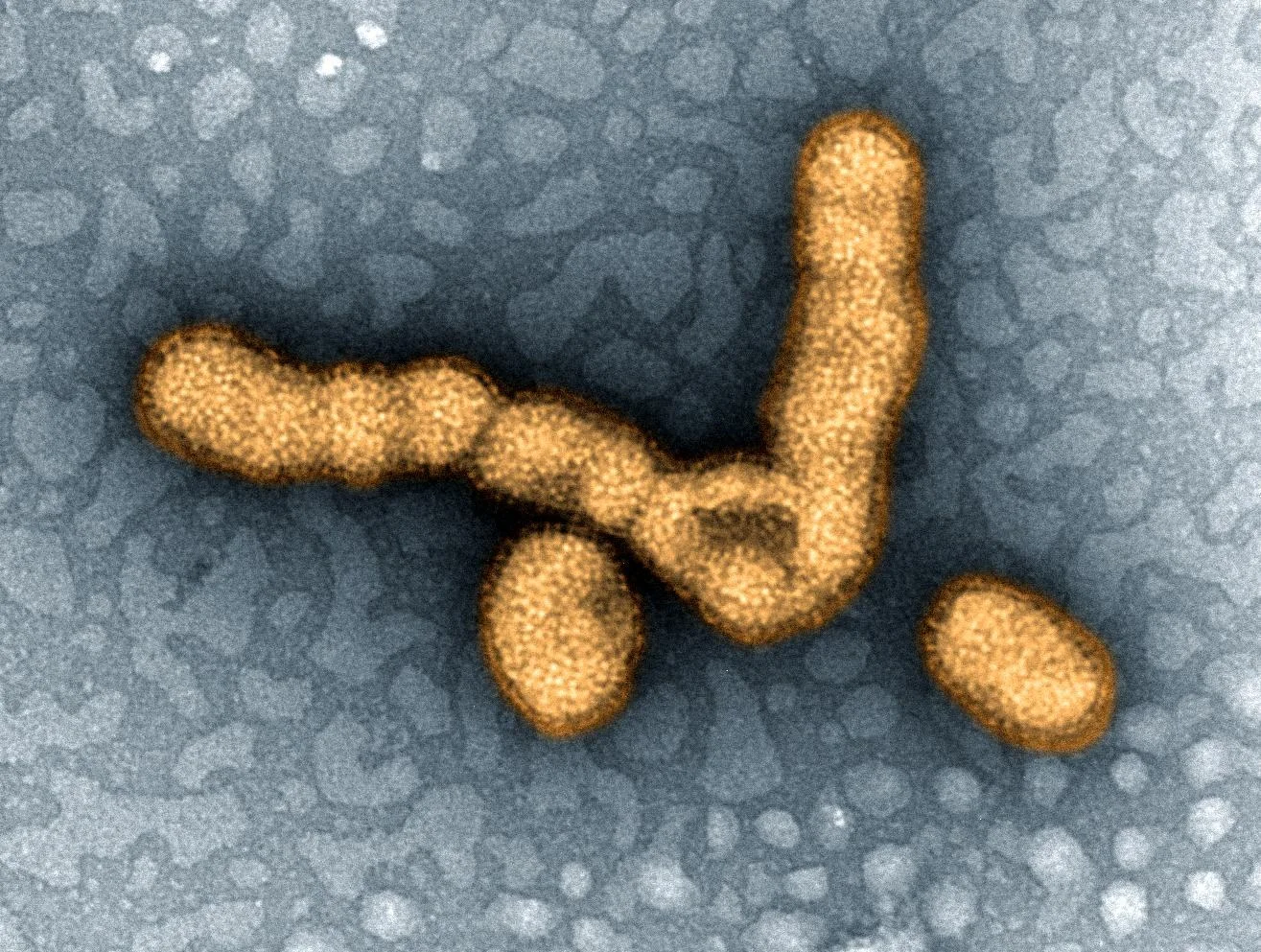
Almost all of the flu circulating now is influenza A. Of the A viruses that public health labs typed in the latest week, 96% were H1N1, the strain that caused the 2009 pandemic and has circulated every year since. The CDC now groups the newest H1N1 viruses under a new genetic label, subclade E.
It is too early to know whether those changes affect how well this season's vaccine works, the agency says, though nearly all of the viruses it has tested so far closely match the strains the vaccines were built on. The CDC rates the season's severity as low for every age group. An early start, the CDC notes, does not necessarily mean a higher peak or a more severe season.
The same report confirmed an H5 bird flu infection in an Oregon dairy farm worker who developed eye irritation. It is Oregon's first such case tied to a dairy and the fourth in a U.S. dairy worker this year. Human-to-human spread of H5 has not been found in the United States.
What the CDC recommends before the holiday

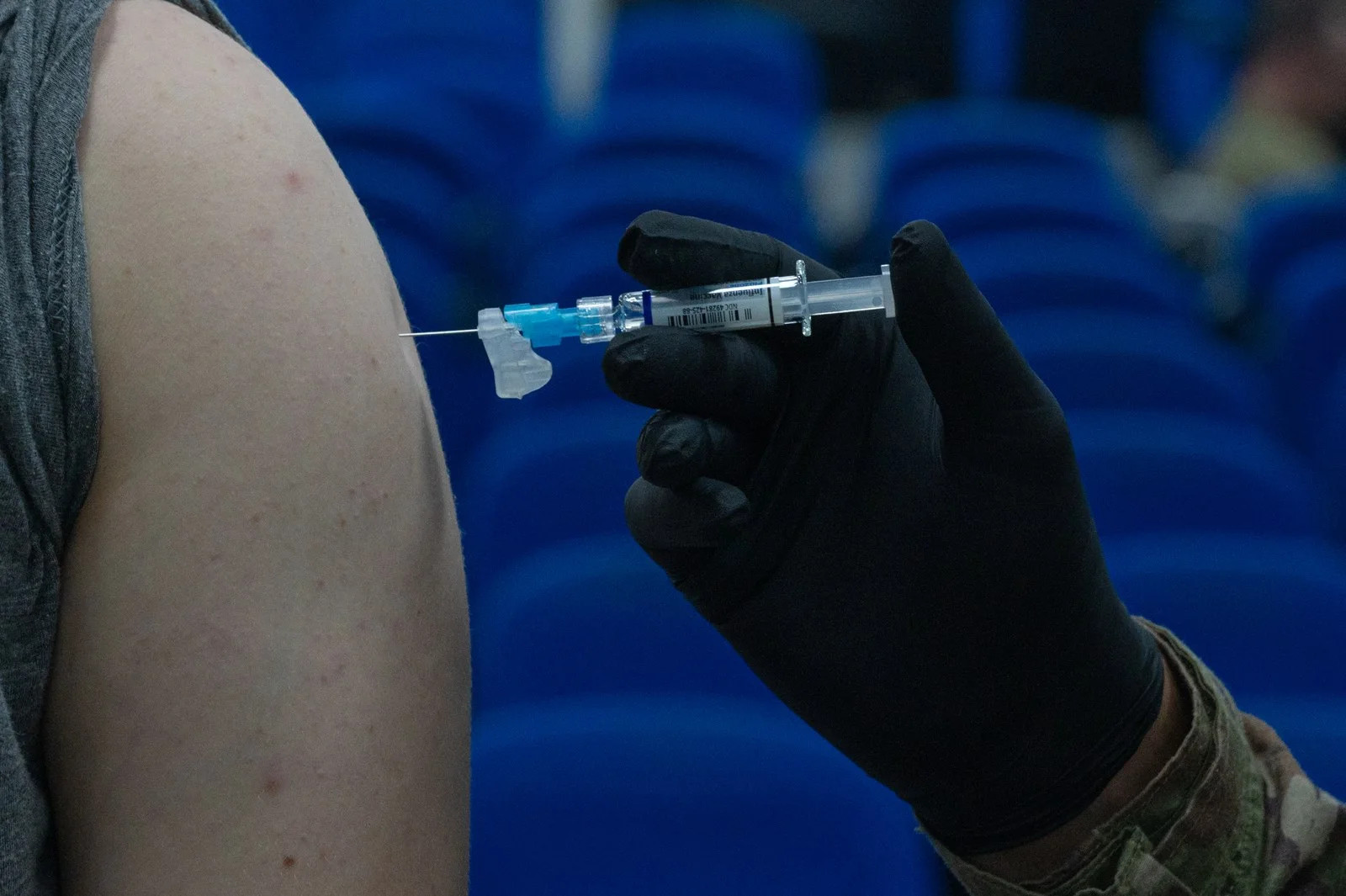
The CDC recommends a flu shot for everyone 6 months and older and says people who have not had one this season should get it now. Antibodies take about two weeks to develop after a shot, so a dose this week offers little protection over Thanksgiving weekend but more for December gatherings.
Prescription antiviral drugs can treat flu. The CDC says they should be started as early as possible, especially for people at higher risk of complications.
Edit USA reported the first signs of an early season on Nov. 14, when seven states were at high or very high levels.