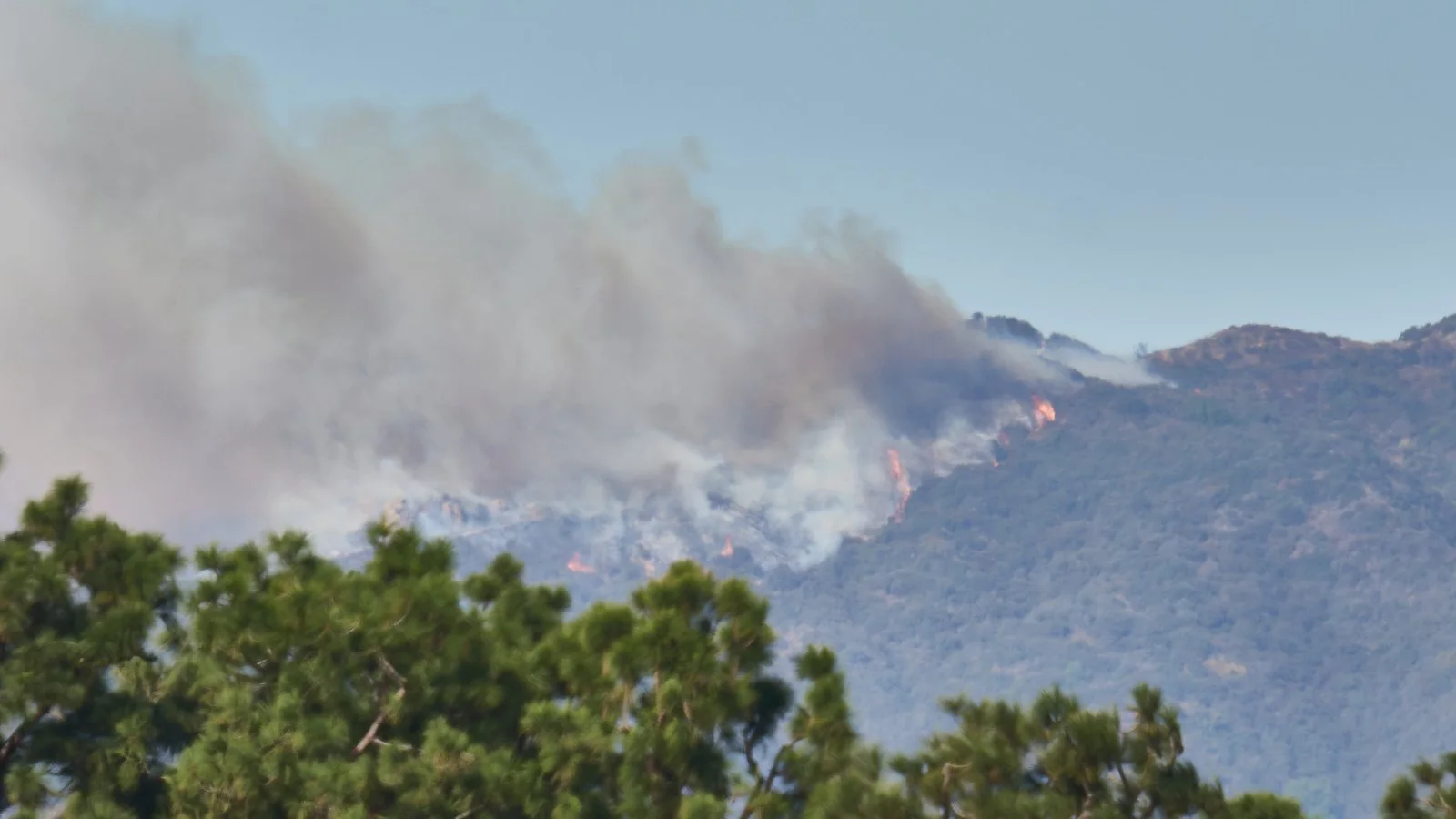
A federal appeals court has put a temporary hold on the Army's plan to blow up 68 drums of degraded lead azide at the Iowa Army Ammunition Plant in Middletown, Iowa. The Army has moved the detonation to Monday, Nov. 23, and could still carry it out that day if the court lifts the hold.
The U.S. Court of Appeals for the Eighth Circuit issued the administrative stay on the evening of Thursday, Nov. 19, hours after two Iowa groups sued, according to a statement from the Iowa Environmental Council. The council says the stay bars the Army from going ahead until the court rules, and that a ruling could come by Monday.
Edit USA first reported the plan on Nov. 18, when the blast was set for Friday, and has tracked the postponement since.
What the lawsuit challenges
Earthjustice lawyers filed the case in the Eighth Circuit on Nov. 19 for the Iowa Environmental Council and the Iowa chapter of the Sierra Club. They are challenging the emergency permit that the Environmental Protection Agency's regional office in Lenexa, Kansas, issued to the Army on Nov. 13 under the Resource Conservation and Recovery Act.
The groups argue that EPA did not make the Army show that detonation was the only safe way to get rid of the material and that the permit lacks enough protections for people downwind. They also say the public got too little warning. The Army posted its first notice of the projected lead plume on Sunday, Nov. 16, Earthjustice said in announcing the suit.
The council's executive director, Sarah Green, said the Army may have no other safe option, but that the government needs to explain the health risks better and give communities more time to prepare.
Why the Army says it has to detonate

EPA's public notice says the permit addresses "an imminent and substantial endangerment." The lead azide is a reactive explosive that is also toxic because of its lead. The council, citing the permit, says the drums sat for roughly 20 years in a pair of bunkers covered with earth, and the liquid of water and ethanol they were stored in changed enough to let the material crystallize, which made it more sensitive to shock and friction.
In its environmental assessment, the Army concluded that chemically neutralizing the drums would mean more hands-on handling and a higher chance of an accidental blast, the council says. The groups dispute that and say the Army has not released data to back it up. The permit runs from Nov. 13 to Feb. 11, 2027, and EPA is not taking public comments on it.
What people nearby can do

The council warns that a Monday blast could follow a different wind pattern than Friday's would have, putting other communities in the path of lead dust, possibly including parts of Illinois.
The Army's advisory, issued before the delay, tells people in the affected area to stay indoors with windows and doors closed. Once the Army says the exposure period has ended, it suggests cleaning surfaces children touch, such as play equipment and windowsills. Residents can follow updates on the Army Sustainment Command page for the plant.