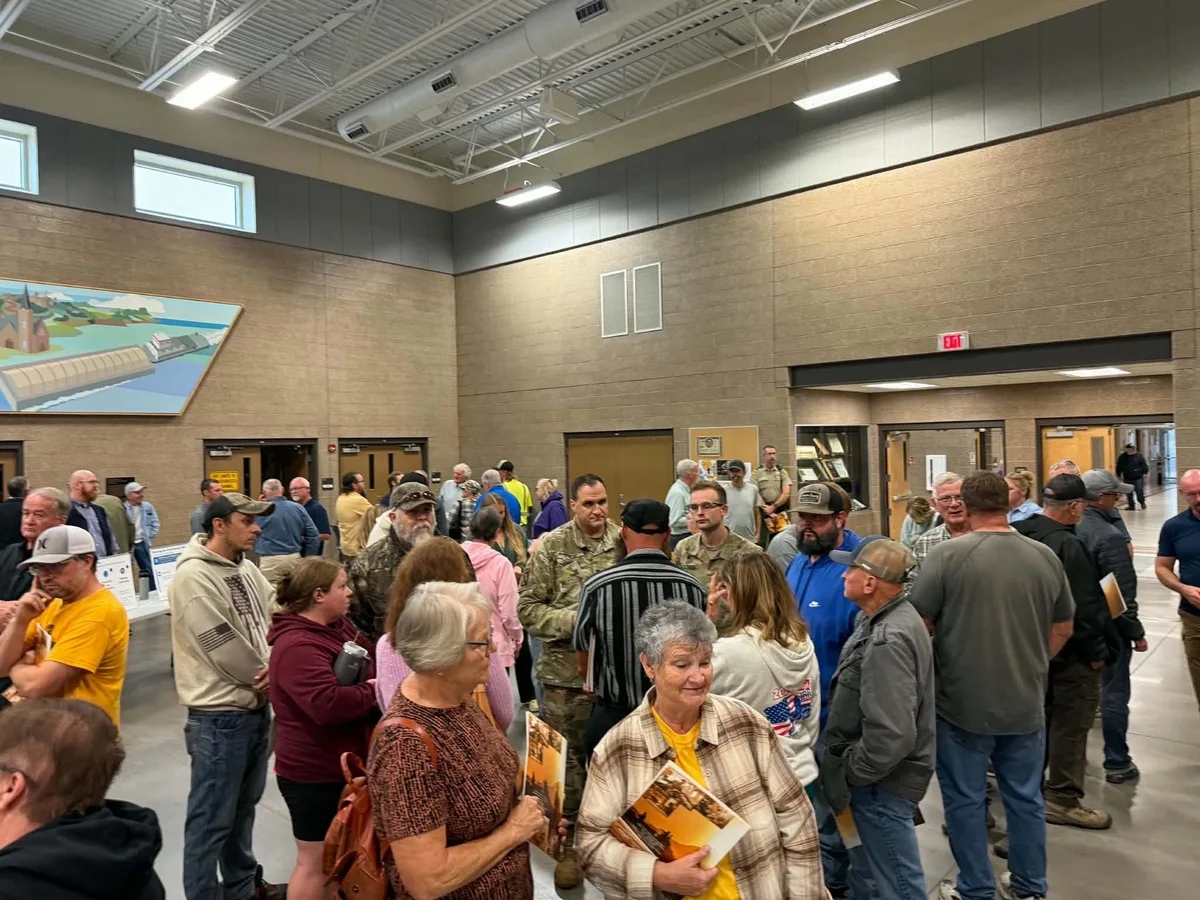
The Army plans to blow up 68 drums of degraded lead azide, a primary explosive, in two rapid detonations at the Iowa Army Ammunition Plant in Middletown, Iowa, at about noon on Friday, Nov. 20. The blasts will send up a dust plume carrying lead particles, and the Army is asking people in the plume's path to stay indoors with windows shut.
The Environmental Protection Agency approved the operation through an emergency permit that took effect Nov. 13 and runs through Feb. 11, 2027. The agency said the stored material posed "an imminent and substantial endangerment." The Army's public advisory says Middletown residents should expect a loud bang, ground tremors and a visible dust plume, which should linger for no more than an hour depending on the wind.
Why the Army says the material can't be moved
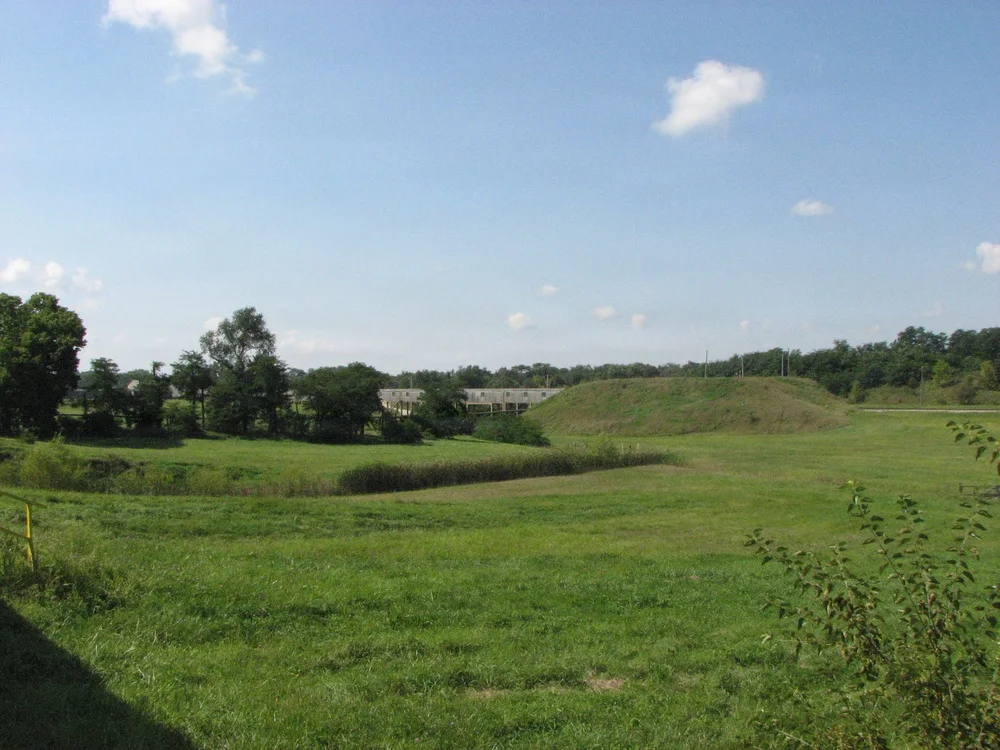
Lead azide is a highly sensitive explosive used in munitions detonators. The plant's stock was declared unserviceable and kept in earth-covered bunkers on the site. According to an environmental assessment the Army posted Wednesday, temperature swings let small amounts of the material dissolve in the alcohol and water solution it is stored in, then recrystallize as needles and platelets. Those crystals are far more sensitive to shock and friction, so crews cannot safely handle or repack the drums, or truck them on public highways to a disposal site. The assessment says the problem gets worse in cold weather, when temperatures drop below freezing.
Army explosive ordnance experts recommended destroying the drums where they sit. The assessment weighed other options. Neutralizing the material with chemicals would have taken an estimated 7 to 22 days of crews handling the drums. Trucking them across the installation to the plant's regular detonation area would have meant loading every drum, and the Army judged that sloshing and jolts on the way could set one off. Both were rejected because they kept crews handling the material. Leaving the drums in place was ruled out too, because the Army says the material would keep degrading and could explode on its own.
The EPA permit says the drums will stay inside the bunkers, with explosive charges placed on and around them, and that the Army must keep blast barriers around the site. The Army says it will also wet the soil to keep dust down.
Who is asked to leave, and where to go
Because windows may break nearby, the Army recommends that people in Middletown's City Park neighborhood leave from 8 a.m. to 2 p.m. Central time, when the explosives team starts setting up. The Armed Forces Reserve Center at 16815 DMC Highway 34 in Middletown will be open to them, pets included, as long as animals are in carriers or on leashes.
How to limit lead exposure
The Army will publish two maps, one for lead in the air and one for lead dust settling on surfaces, on its Iowa Army Ammunition Plant page. People who live or work inside the mapped areas should consider these steps on Friday, according to the advisory:
- Stay out of the affected area if you can, and avoid driving through it.
- If you are inside the area, stay in with windows and doors shut.
- Where it is safe to do so, switch heating or air conditioning to recirculate until the plume passes.
- After the Army says the exposure period has ended, wet-clean surfaces children touch, such as play equipment, toys, patio furniture, railings and windowsills.
- Consider running a car that sat outside through a car wash.
The advisory says children, pregnant people, older adults and others who are sensitive to lead should avoid outdoor activity inside the affected areas. The EPA lists steps to reduce lead exposure at home.
When to check the plume maps
The maps depend on the wind, so they will change before Friday. The EPA permit sets the schedule for updates:
| When | What the Army must publish |
|---|---|
| At least 48 hours before | An updated plume estimate using that day's forecast |
| From 6 hours before | A new estimate every hour until the detonation is done |
| Within 6 hours after | A final estimate based on the actual weather |
The EPA told the Army to use deliberately conservative inputs in its modeling, so the warnings err on the side of covering more ground. The permit notes that the Army expects the real lead release to be smaller because of the blast barriers and other measures.
What happens after the blast
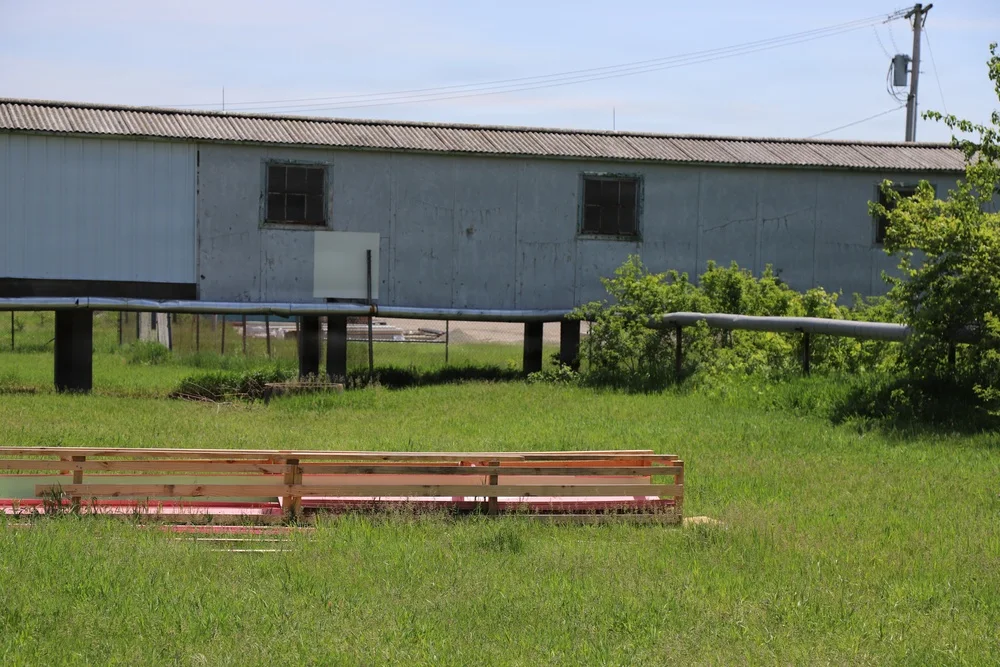
The permit requires sampling and monitoring before, during and after the detonation, and it makes the Army responsible for cleanup if lead from the operation turns up on or off the plant's property. The Army says it has already taken samples before the blast, set up air monitors around the site's edge and will sample the blast area afterward. At an Oct. 15 open house, 28 homeowners signed right-of-entry forms giving the Army Corps of Engineers access to their property.