
The Federal Trade Commission eased restrictions on Northrop Grumman's rocket-motor business Wednesday, narrowing an antitrust order to larger missile systems and bringing its expiration forward five years, to June 5, 2033.
The November 25 decision gives the defense contractor part of the relief it requested after its 2018 acquisition of Orbital ATK. Requirements to supply rival missile makers without discrimination and protect their confidential information remain for competitions covered by the revised order.
The commission voted 2-0. Northrop had sought to have the order set aside entirely, but the Department of War recommended narrower changes.
Which motors remain covered

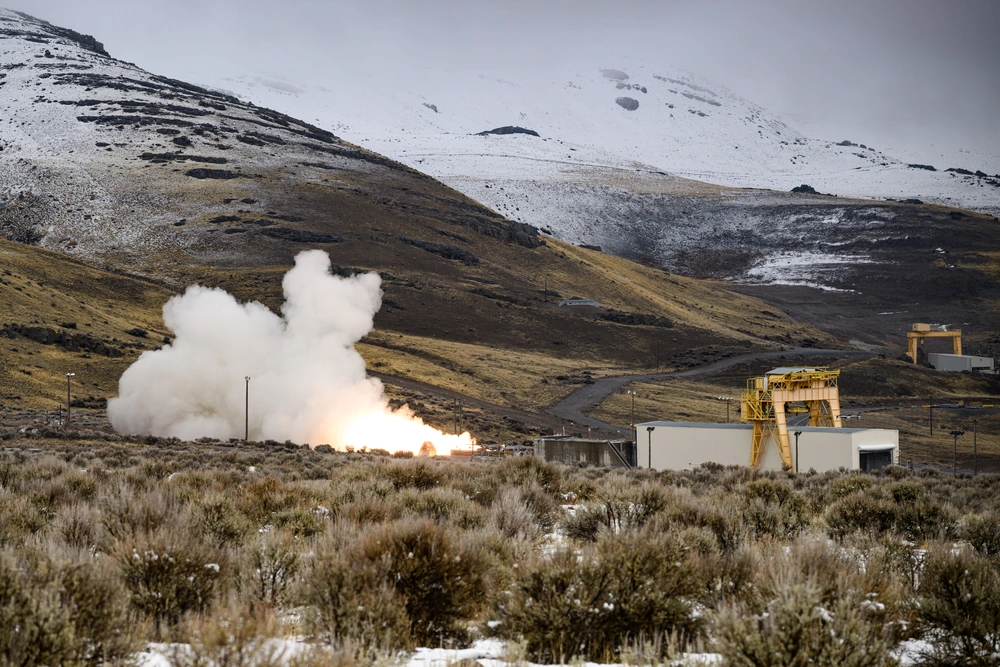
Solid rocket motors contain fuel and oxidizer in a solid propellant. They provide thrust for missiles, including strategic nuclear weapons and missile-defense interceptors. A missile's main contractor often buys its motor from another company.
The revised order covers motors more than 30 inches in diameter. It also covers a competition when the anticipated diameter is at least 25 inches and the exact size has not been determined. That protection continues until Northrop certifies that the motors in its proposed design and those offered to rival contractors are all 30 inches or smaller.
The change also reduces interim compliance reporting to every 120 days after the initial report, subject to the order's conditions. Northrop must submit a revised compliance plan within 30 days.
The FTC said the changes followed consultation with the Department of War about military requirements and procurement competition. Northrop had argued that administrative requirements slowed its response to rising demand. The commission based its decision on the public interest and said it did not need to decide the company's separate argument that market conditions had changed.
The stakes for strategic missiles
The Pentagon's October 21 letter, reproduced in the decision, points to Northrop's role as the main contractor for Sentinel, the replacement for the Minuteman III nuclear missile system. The department said Sentinel accounted for about 47% of strategic-missile revenue from 2020 through 2025.
The program has separate cost and schedule problems. In a February assessment, the Government Accountability Office said the Air Force had estimated Sentinel would cost at least $141 billion, with actual costs still uncertain. GAO identified software delays, unfinished designs and risks in keeping Minuteman III operating during the transition.
That assessment described more than 600 Minuteman III facilities across five states that need replacement. Wednesday's FTC decision changes the competition rules for supplying motors; it does not establish a new Sentinel cost estimate or delivery schedule.