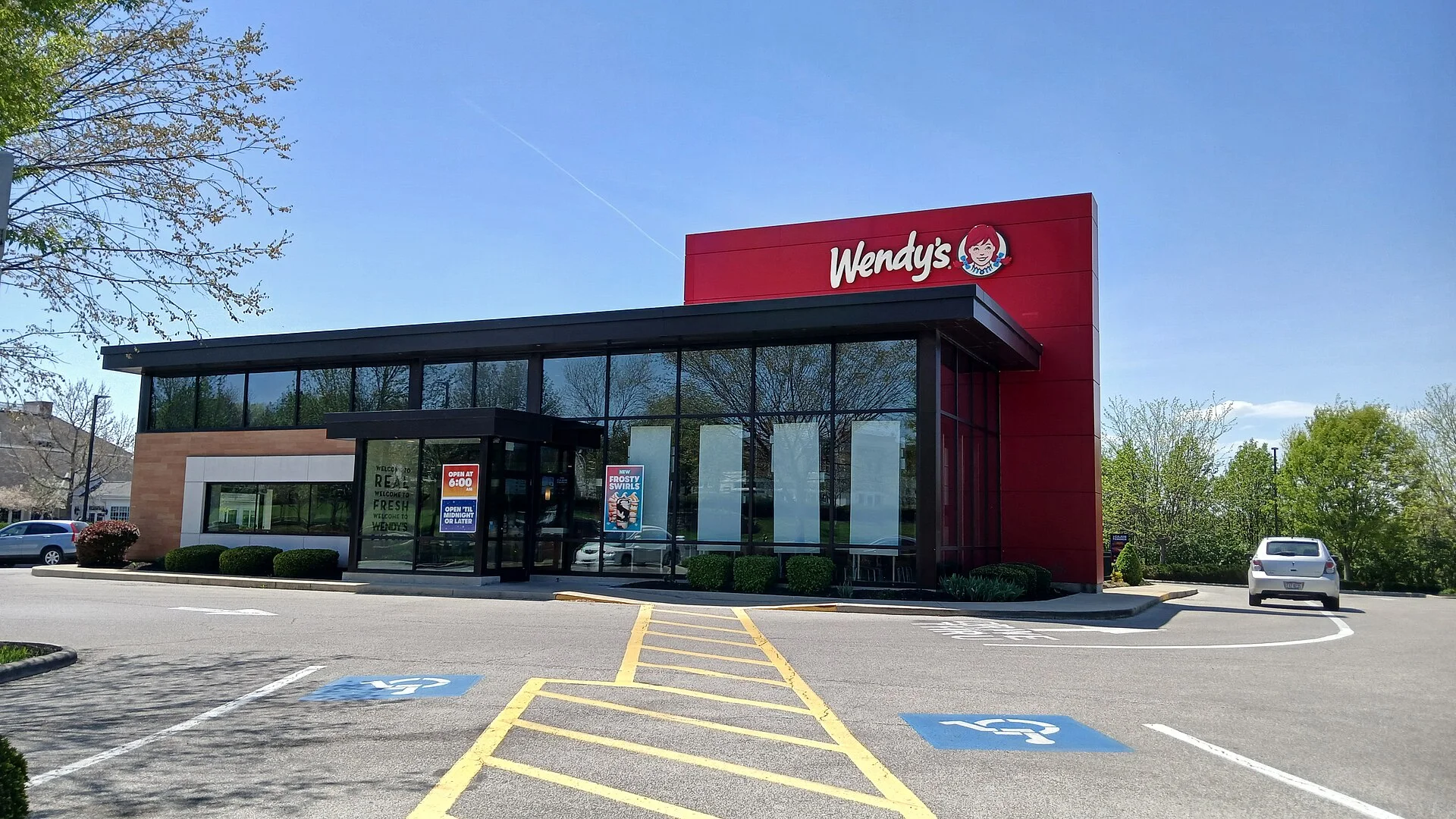
A Wendy's customer from California has filed a proposed class action accusing the chain of using its restaurants' sales data to coordinate menu prices across the United States. The complaint, filed Nov. 23 in federal court in Maryland, seeks damages for everyone in the country who bought food at Wendy's from Jan. 1, 2022, to the present.
The suit names two defendants: The Wendy's Company and NCR Voyix, the Atlanta company behind Aloha, the point-of-sale software Wendy's restaurants use to ring up orders.
These are allegations in a newly filed lawsuit. No court has ruled on them, and neither company had filed a response by Tuesday afternoon.
What the lawsuit claims
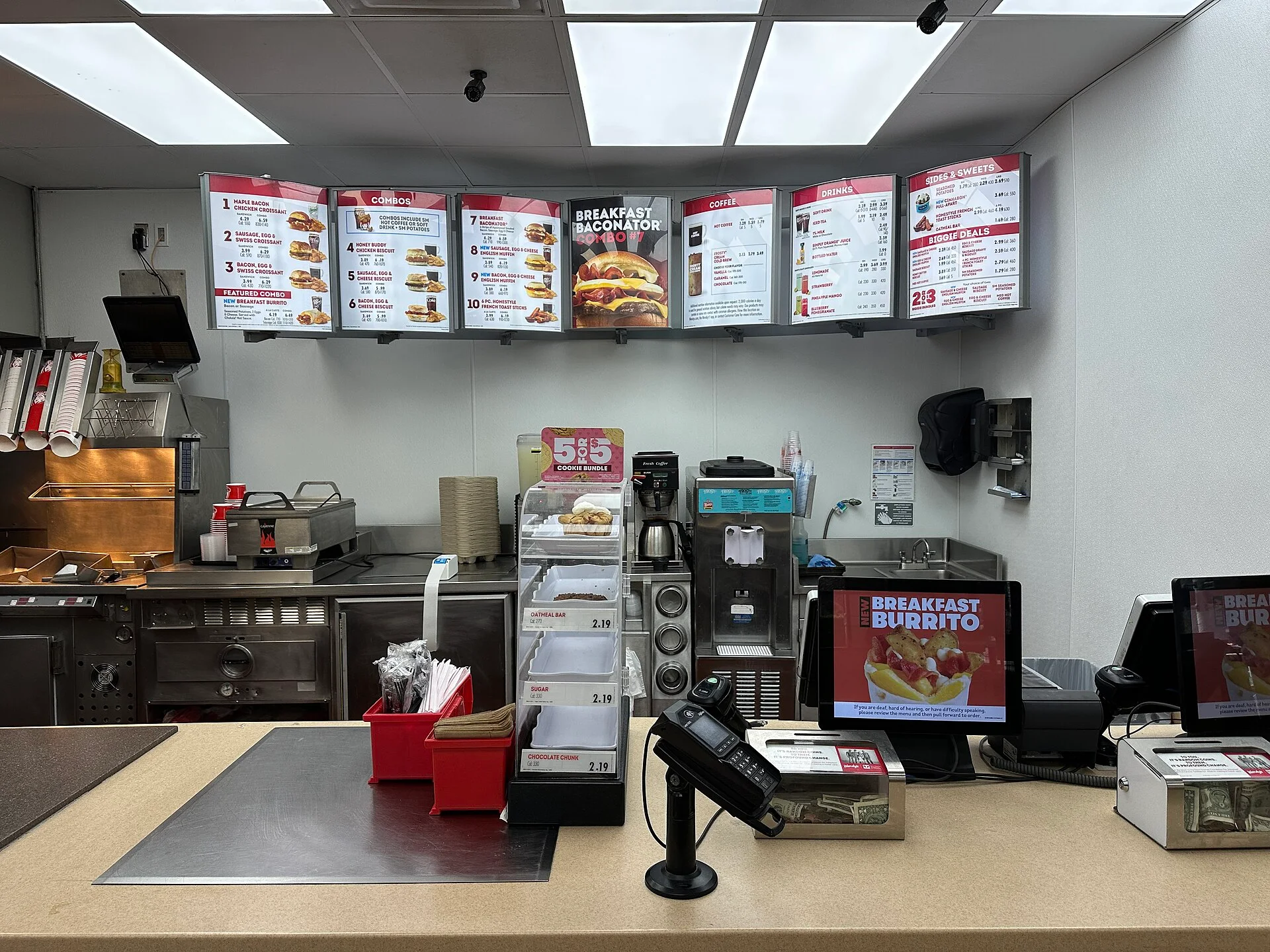
The plaintiff, Andy Garcia, says he has eaten at Wendy's at least once a week for decades. His lawyers argue that franchise owners, who run most Wendy's locations and are supposed to set their own prices and compete with one another, send Wendy's detailed transaction data through Aloha. The complaint says Wendy's pools that data, turns it into pricing guidance and acts as the hub of what it calls a "hub-and-spoke price-fixing conspiracy," with franchisees as the spokes.
It also argues Wendy's has a motive to push prices up, because it collects royalties of about 4% of franchise restaurants' gross sales. The filing cites Wendy's 2024 statements about testing dynamic pricing on digital menu boards, and price cuts the chain made in 2026, as signs that prices were set centrally.
The suit brings two claims under Section 1 of the Sherman Act, one for price fixing and one for unlawful exchange of competitively sensitive information. It asks for actual damages tripled under antitrust law, an order stopping the practice, attorneys' fees and a jury trial. The filing does not put a number on how much Wendy's prices rose because of the alleged scheme, and it quotes no internal pricing documents. Much of its support comes from public statements, Wendy's franchise disclosure document and news coverage.
Who would be in the class
Anyone who bought Wendy's food in the U.S. since the start of 2022 would fall inside it. Wendy's had 5,711 restaurants in the U.S. as of Sept. 27, according to its latest quarterly report. The company ran 422 of them, and 204 franchisees operated the other 5,289. Customers have nothing to file right now. A judge would first have to certify the class, and money would reach customers only through a judgment or a settlement, which would come with a court-approved notice explaining how to claim.
What happens next
The case is assigned to U.S. District Judge Lydia Kay Griggsby in Maryland. Once served, Wendy's and NCR Voyix can answer the complaint or ask the court to dismiss it.
Garcia's lawyers argue that courts have accepted similar theories before. Their lead example is the RealPage rental-pricing litigation, where a federal court in Tennessee let Sherman Act claims go forward in 2023 against landlords accused of pricing apartments through a shared software service that pooled their data.