U.S. embassies across the Middle East told Americans on Tuesday, Nov. 24, to "exercise heightened vigilance." The warning cites a higher threat of armed attacks by Iran-backed Houthi forces and of Iranian attempts to go after American officials and government sites there.
The same security alert went out from the U.S. embassies in Bahrain, Kuwait, Iraq, Oman, Qatar, Saudi Arabia, the United Arab Emirates and Jerusalem, and from the State Department's virtual embassy for Iran. The alerts say the threat reaches beyond the region. They name Iran and the Houthis, along with other groups that back Iran, as possible attackers of U.S. interests "overseas or at locations associated with the United States and Americans throughout the world, including U.S. businesses and other institutions."
What the alerts say happened
According to the alerts, Iran "has launched attacks targeting U.S. assets in both Bahrain and Kuwait." The Houthis have struck civilian airports and other infrastructure in Saudi Arabia, attacks the alerts say caused civilian casualties and badly disrupted travel. "The hostilities have the potential to escalate rapidly," they say.
The alerts do not say when the attacks on U.S. assets happened or what they hit, and they do not say whether anyone was hurt.
The Iran alert is blunter. "Do not travel to Iran for any reason. U.S. citizens should leave Iran now," it says, and it warns that procedures at Iran's land borders can change with little notice.
What Americans in the region are told to do
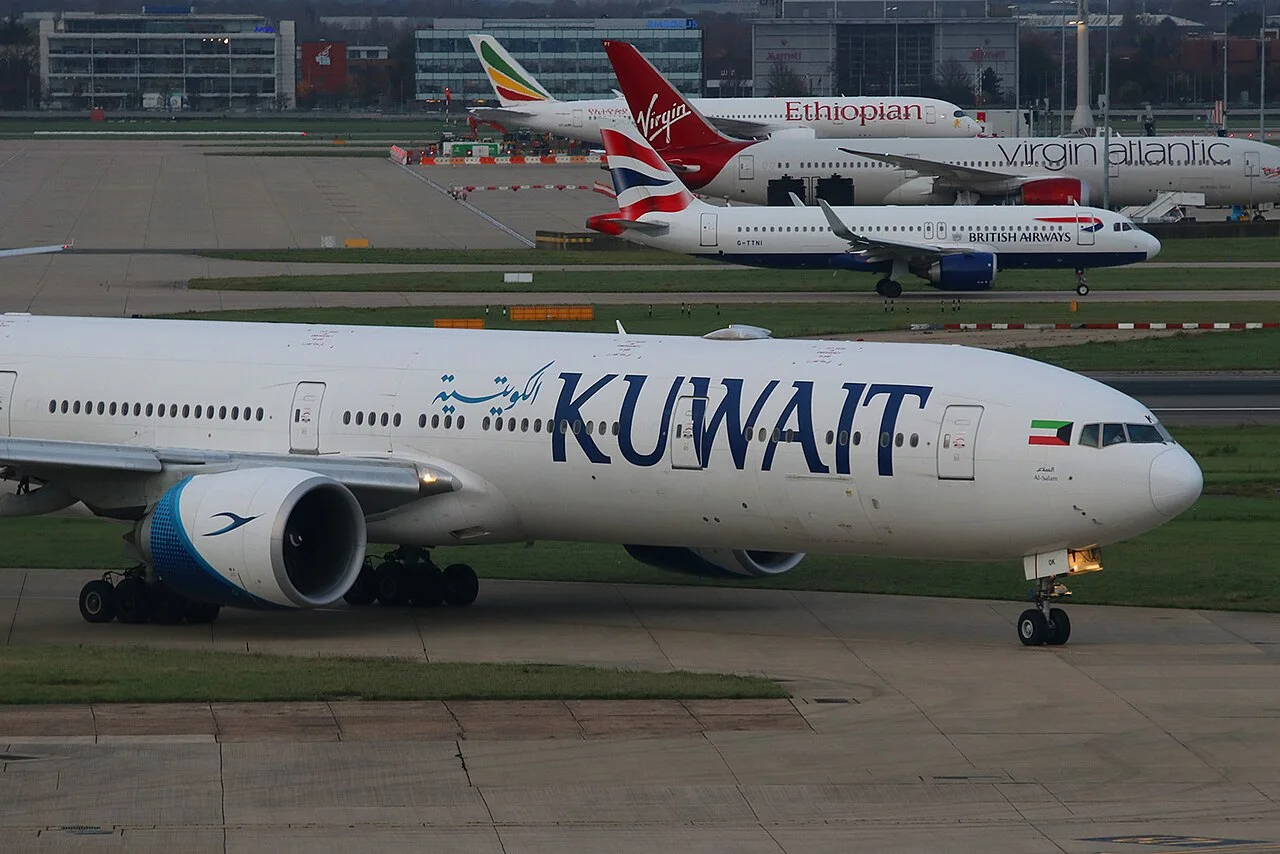
Anyone flying in or out of the region should check flight status directly with their airline and plan for cancellations and airspace closures, the embassies say.
If an aerial attack happens, the alerts say to stay away from glass doors and windows and any fallen debris. Watch phones and the news for official guidance. Keep phones charged with emergency numbers saved. Several of the alerts also tell Americans to avoid demonstrations and to stay alert at places publicly associated with the United States.
In Saudi Arabia, where the State Department ordered nonemergency U.S. government employees and their families to leave on Oct. 23, the mission suggests private cars, trains and buses as alternatives to flying. It says land border crossings, including the King Fahd Causeway to Bahrain, remain open. So do airports in neighboring Bahrain, Jordan, Oman, Qatar and the UAE, though travelers should confirm with each airport.
In Israel, the Jerusalem embassy also tells Americans to know where their closest shelter or protected space is and to download the Israel Defense Forces Home Front Command app for rocket and drone alerts.
All of the alerts urge Americans to enroll in the State Department's Smart Traveler Enrollment Program, which sends security updates and helps embassies reach citizens in an emergency.
Several embassies will close for Thanksgiving. The embassies in Bahrain, Iraq, Kuwait, the United Arab Emirates and Jerusalem close Thursday through Sunday and resume routine services for Americans on Monday, Nov. 30. The Oman embassy closes from Wednesday instead and reopens for routine services on Sunday, Nov. 29. In Saudi Arabia, the embassy in Riyadh and the consulates in Jeddah and Dhahran close Thursday through Saturday, with emergency services for Americans resuming Sunday, Nov. 29. The embassy in Qatar keeps the same Thursday to Saturday closure and resumes routine services Sunday.
Americans abroad who need emergency help can call the State Department's 24-hour line at +1-202-501-4444, or 1-888-407-4747 from the United States and Canada.