Kīlauea's alert level rose to Watch on Sunday, November 22, after lava began overflowing from a vent inside Halemaʻumaʻu crater. The change gives residents and visitors a new activity notice ahead of Thanksgiving, while the timing of the next lava fountains remains uncertain.
The Hawaiian Volcano Observatory's notice, issued at 4:21 a.m. Hawaii time, raised the aviation color code from Yellow to Orange. Lava overflows began around 1:21 a.m. The observatory described this as low-level activity preceding episode 57 of the eruption that began in December 2024.
Overflows have begun; fountains are still forecast
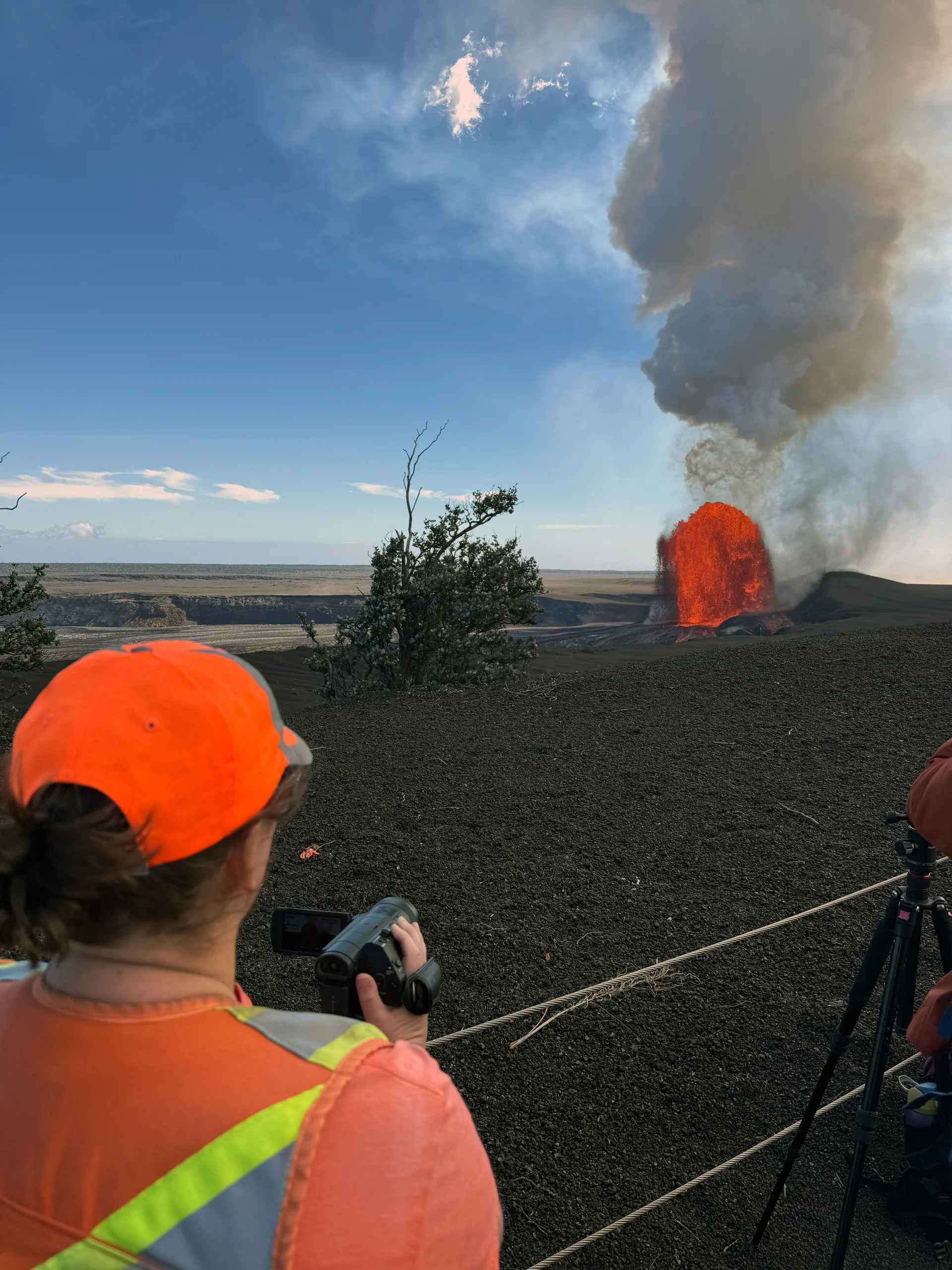
The initial overflows lasted about 15 to 20 minutes each. At the notice's issuance, vents and lava flows remained within Halemaʻumaʻu, and no tephra, the fragments thrown out by eruptions, was being produced.
HVO's forecast window for episode 57 fountains runs from November 22 through November 26. Low-level activity can continue for hours or days before fountaining begins, so a glow or overflow does not establish that the main fountain episode has started.
A later observatory message, posted at 5:14 a.m. Hawaii time, reported another southwest-vent overflow between 5:07 and 5:10 a.m. An earlier message said Monday through Wednesday would be the likeliest period for fountains if slow, stepwise inflation continued at the same rate. That remains a conditional forecast.
The previous fountain episode, on November 5, lasted about six hours, with the north-vent fountain reaching roughly 660 feet. That short duration helps explain why a planned visit can miss the display. Those measurements describe episode 56; HVO has not promised the same duration or height for episode 57.
What Watch and Orange mean
The USGS alert system separates information for people on the ground from aviation information.
Watch can mean heightened unrest with an increased potential for eruption, with uncertain timing, or an eruption underway with limited hazards. It is one level below Warning, which describes a hazardous eruption that is imminent, underway or suspected.
Orange similarly covers escalating unrest or an eruption underway with no or minor ash emissions. Red is the category associated with significant ash emissions that are occurring or likely. The color change alone does not announce an airport closure or cancel a flight.
Where park visitors can watch
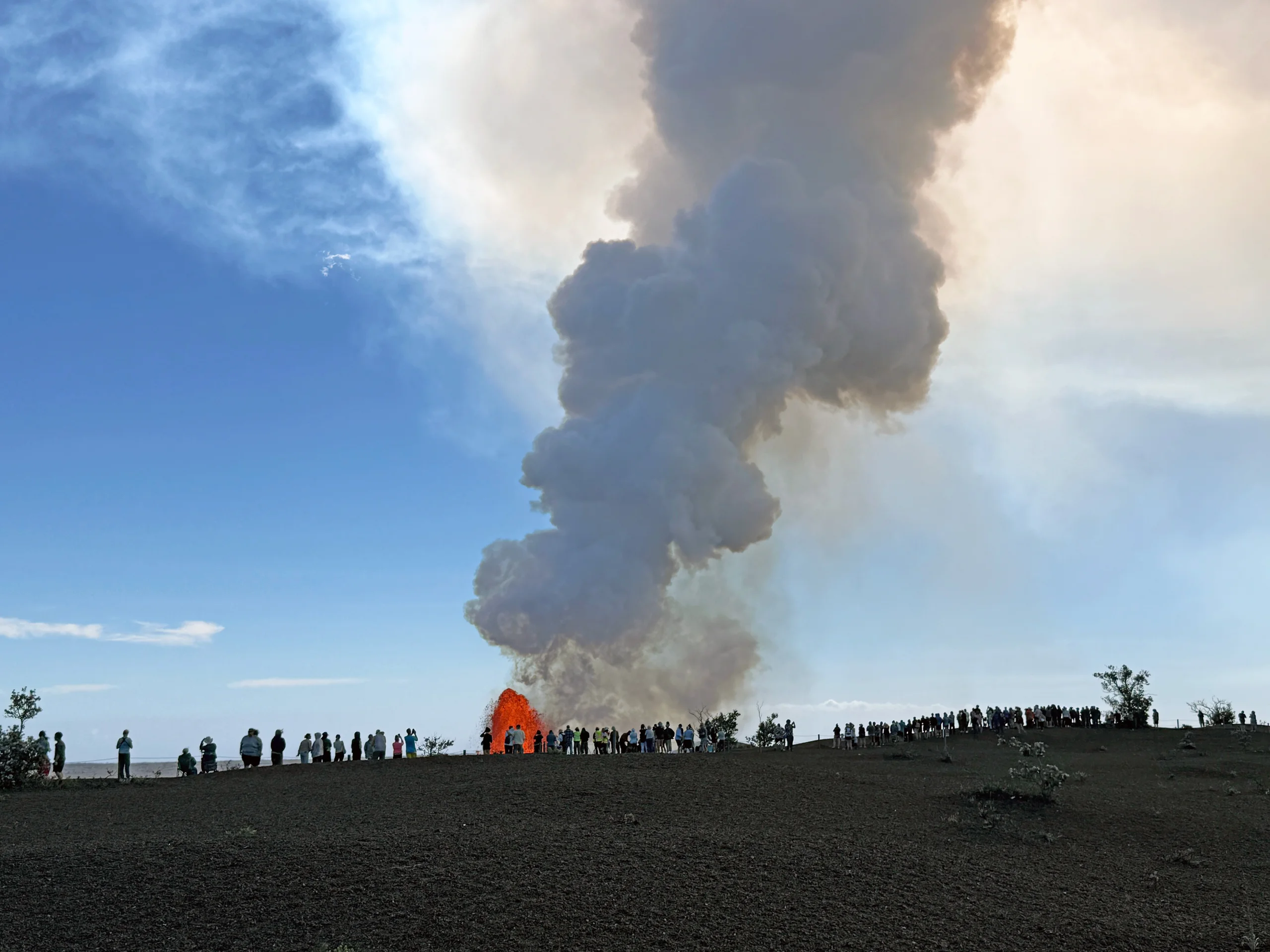
The National Park Service's eruption-viewing guidance directs visitors to open overlooks along Crater Rim Drive. The eruption area itself is closed. Views can disappear in fog or rain, and activity may pause even when visitors have reached an overlook.
The park advises checking webcams and the USGS update before traveling. During eruptions, traffic increases and parking becomes scarce. Its standing guidance identifies the Welcome Center, Kīlauea Overlook and Uēkahuna, reached by Crater Rim Drive West, as places that usually have more available parking.
Crater Rim Drive East serves Kīlauea Iki, Nāhuku lava tube, Devastation and Chain of Craters Road. Have another destination in mind if an overlook lot is full. Parking outside designated spaces can obstruct emergency access and lead to towing.
For a night visit, the park recommends a headlamp, sturdy shoes, warm clothing and rain gear. Its webcams also offer a way to check the crater without joining traffic at the summit.
Gas and volcanic glass require separate precautions
The park's safety guidance warns that volcanic gases can be especially hazardous for people with heart or respiratory conditions, infants, children and pregnant women. Check air-quality information before visiting and follow ranger directions if conditions deteriorate.
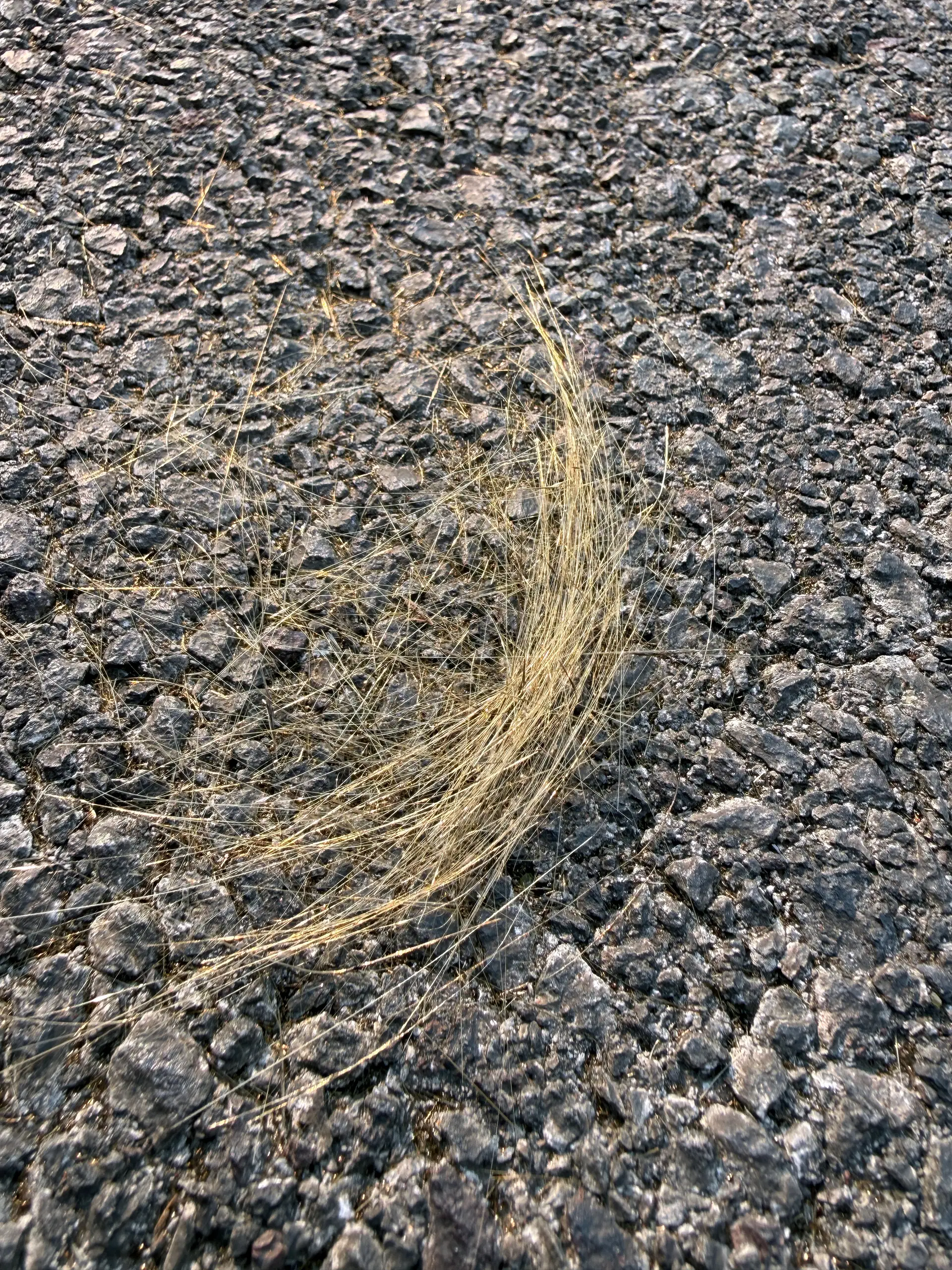
Pele's hair consists of fine strands of volcanic glass. Like ash, it can irritate eyes, skin and the respiratory system. The park advises limiting exposure and not handling it. Protective clothing and eye protection can reduce contact when exposure cannot be avoided.
Remain on marked, open trails and overlooks. Cliff edges, earth cracks and steam vents can be unstable. The park warns that entering closed areas can cause serious injury or death.