Jurors in Brooklyn federal court convicted Huawei Technologies and three of its subsidiaries on Tuesday, Nov. 24, of conspiring to take American companies' trade secrets and of bank and wire fraud. The Chinese telecommunications company was found guilty on 10 of the 12 counts it faced at trial. Jurors acquitted it of the most serious charge, racketeering conspiracy. It was also cleared of obstruction conspiracy.
Huawei said in a statement posted after the verdict that it "welcomes" the racketeering acquittal and considers the remaining charges "equally without legal or factual merit." It said it will "take all necessary legal actions to defend our rights and interests."
District Judge Ann Donnelly presided over the trial. Sentencing is set for September 14, 2027.
What prosecutors charged
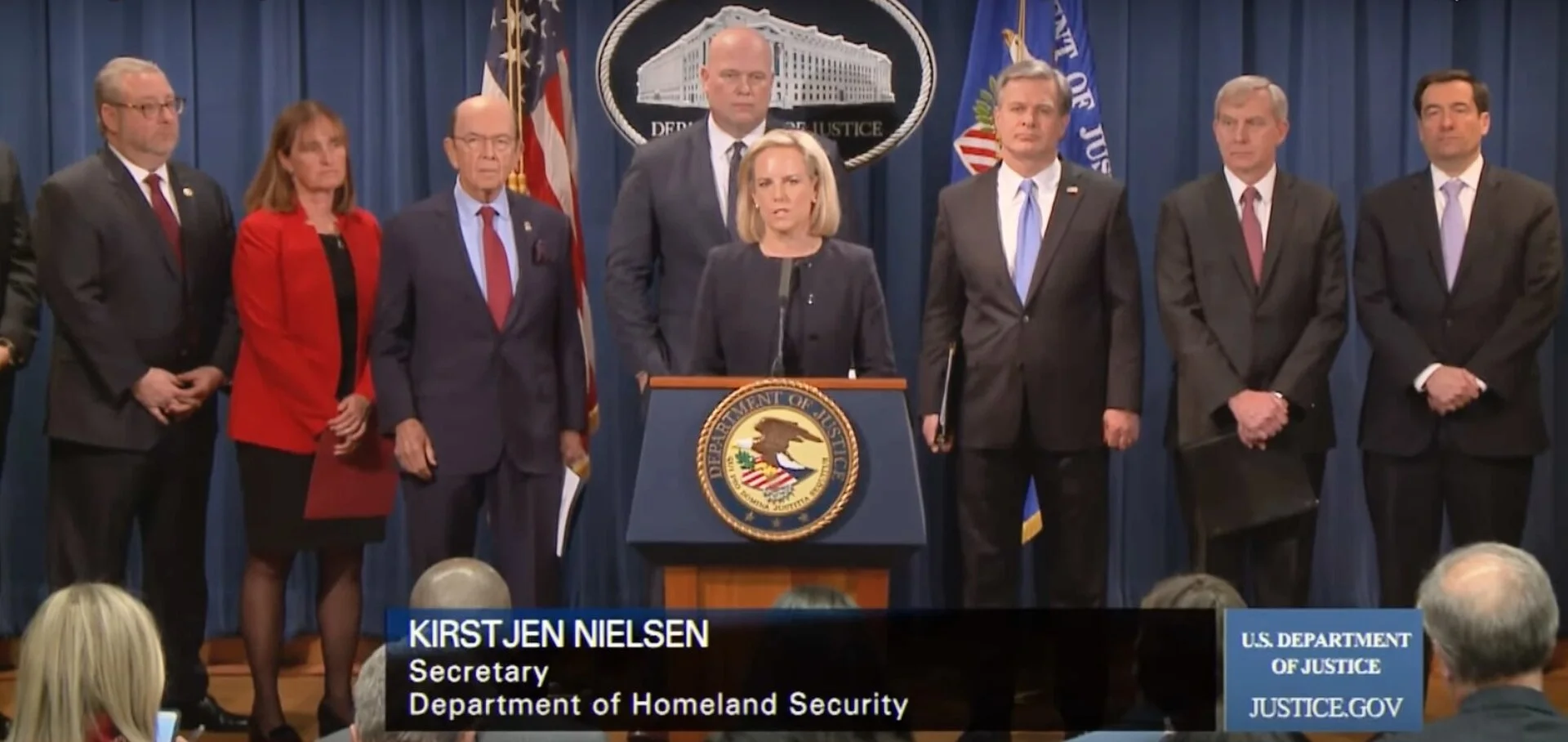
The case grew out of a superseding indictment returned in February 2020, which added racketeering and trade secret charges to fraud counts first unsealed in January 2019. It named Huawei and several of its subsidiaries, along with the company's chief financial officer, Meng Wanzhou.
According to the Justice Department's announcement of those charges, Huawei went after intellectual property from six U.S. technology companies. The material included router source code and manuals, along with cellular antenna and robot testing technology. Prosecutors described several methods. In their account, the company signed confidentiality agreements and then broke them. It also hired other companies' employees to bring their former employers' secrets and used professors at research institutions as go-betweens. A company bonus program rewarded workers who obtained competitors' confidential information, the indictment said.
The indictment also accused Huawei of hiding its business in countries under U.S. sanctions such as Iran and North Korea. Prosecutors said Huawei employees falsely claimed that Skycom, a company doing business in Iran, was not a Huawei subsidiary. The indictment called Skycom an unofficial subsidiary and said it helped Iran's government carry out domestic surveillance, including during the 2009 demonstrations in Tehran. Testimony at trial showed Huawei supplied surveillance cameras that let Iran's government monitor protests and helped an Iranian intelligence unit called Zaeim monitor and censor internet use, the Justice Department said after the verdict.
What Huawei says
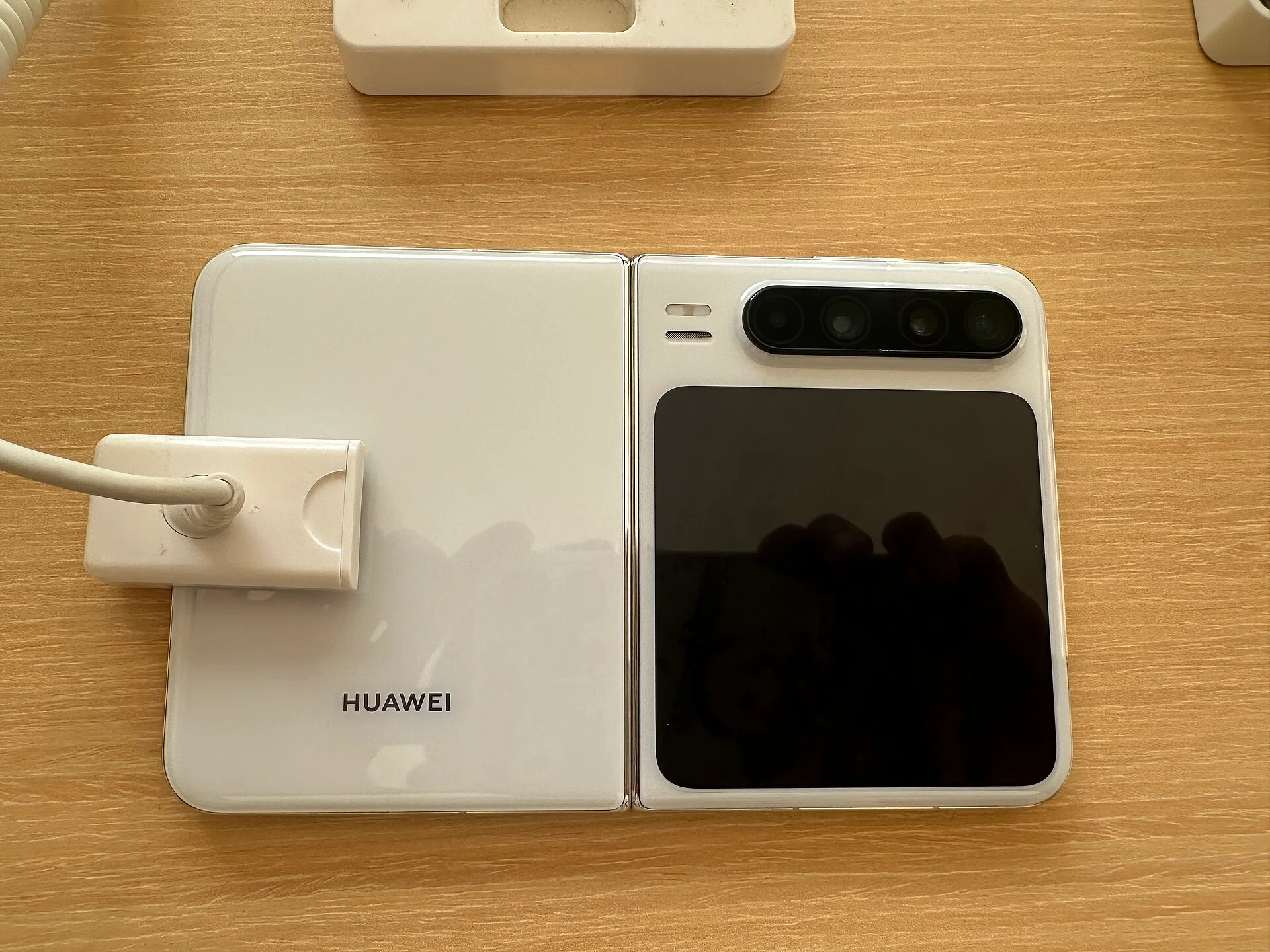
Huawei's statement argues that the trade secret claims rest on five disputes that were civil matters "resolved over the past two decades." It says no court ever found the company liable for willful misappropriation of intellectual property or made it pay trade secret damages.
The company also pointed to its research spending, saying it has invested more than $270 billion in research and development since 2007 and holds more than 165,000 active patents.
Where Meng Wanzhou's case ended
Meng, whose father founded Huawei, was detained in Canada in 2018 at the request of U.S. prosecutors. In September 2021 she entered a deferred prosecution agreement in the same Brooklyn court on charges that she misled a global bank about Huawei's business in Iran, and she returned to China. Prosecutors later dropped the charges against her under that agreement, leaving the company to face trial.