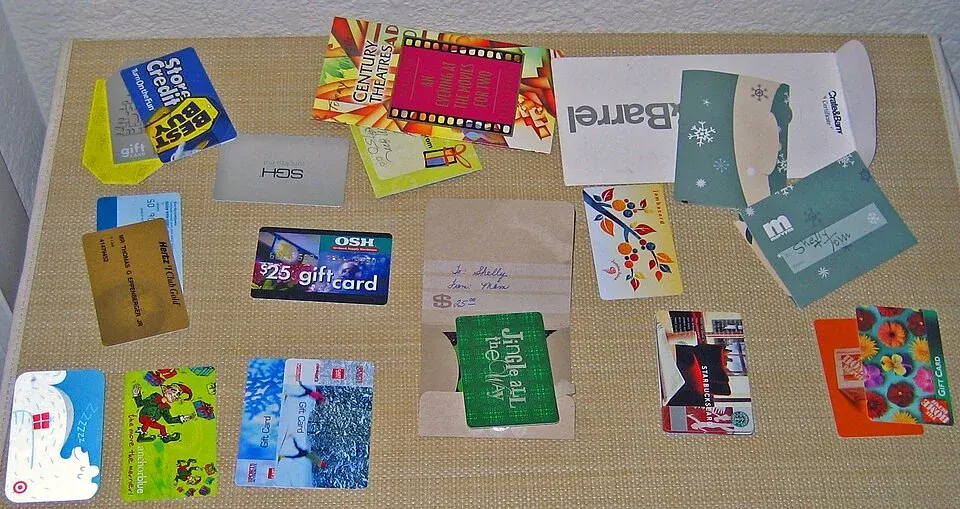
A gift card's packaging and receipt deserve the same attention as the amount loaded onto it. If you are buying early for the holidays, make a secure purchase record before putting the card in an envelope.
The FTC recommends buying from known, trusted sellers and inspecting physical cards for tampering. Check that protective stickers are intact and that the PIN has not been exposed. If something looks altered, give the card to a cashier or manager and choose another.
Before the card becomes a gift
| Check | Record or action |
|---|---|
| Seller | Buy directly from a seller you can verify |
| Packaging | Look for exposed codes or disturbed stickers |
| Activation | Keep the purchase and activation receipt |
| Storage | Protect card numbers and any receipt containing them |
| Recipient | Include a useful purchase record without posting codes publicly |
For an electronic gift, confirm the recipient's address before submitting the order. Check when delivery is scheduled and save the confirmation. Avoid forwarding a message containing a usable code to a group conversation just to announce that a present is on its way.
The Office of the Comptroller of the Currency's fraud guidance provides reporting steps. A purchase record helps identify the transaction if the card is lost or a balance is missing. It does not guarantee a refund.
An urgent payment request is different
If a caller, text or email tells you to buy a card and send its number to settle a debt or prevent a supposed emergency, stop. The FTC identifies that demand as a scam. Contact the person or organization independently using details you already trust.
If you have already disclosed the code to a scammer, contact the gift-card issuer promptly using its official site and ask whether the funds can be recovered. Keep the card, receipt and messages, then report the incident to the FTC.