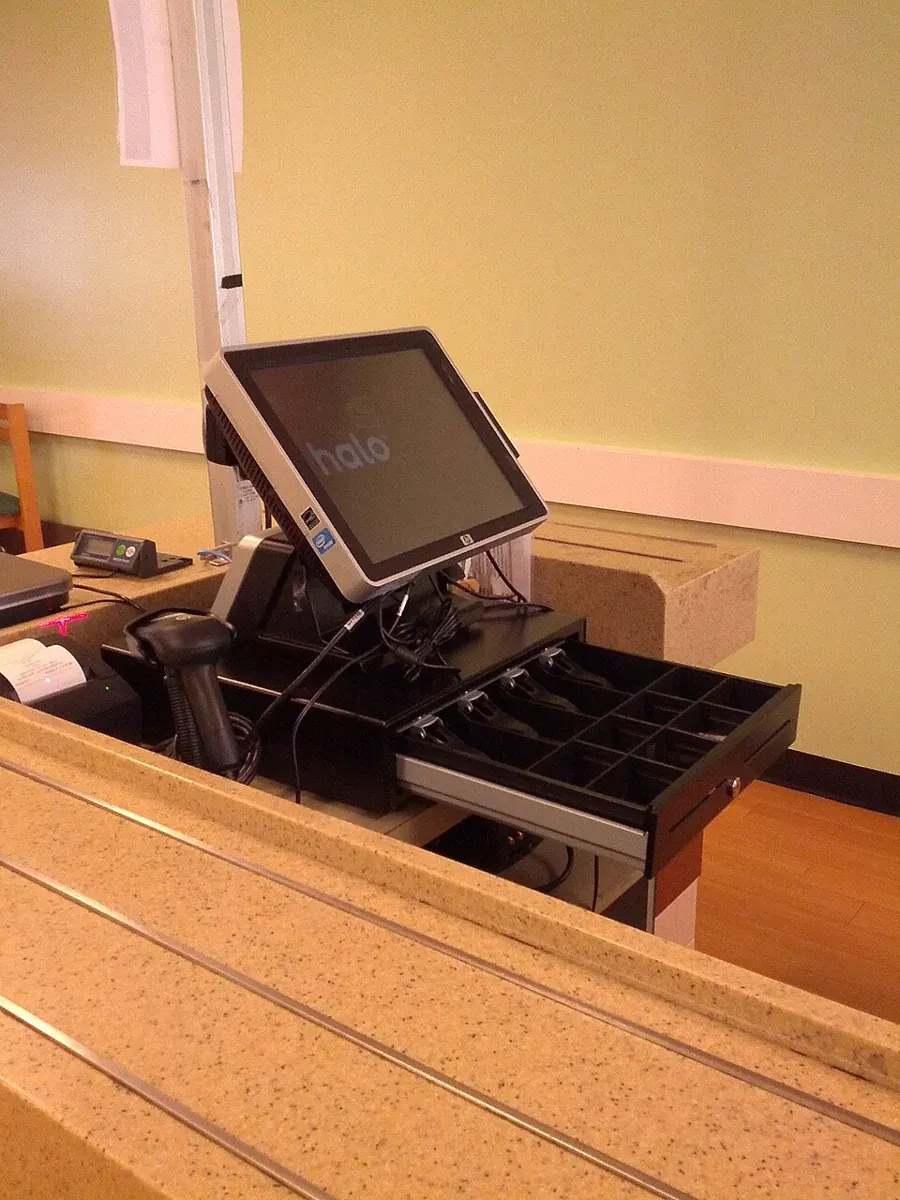
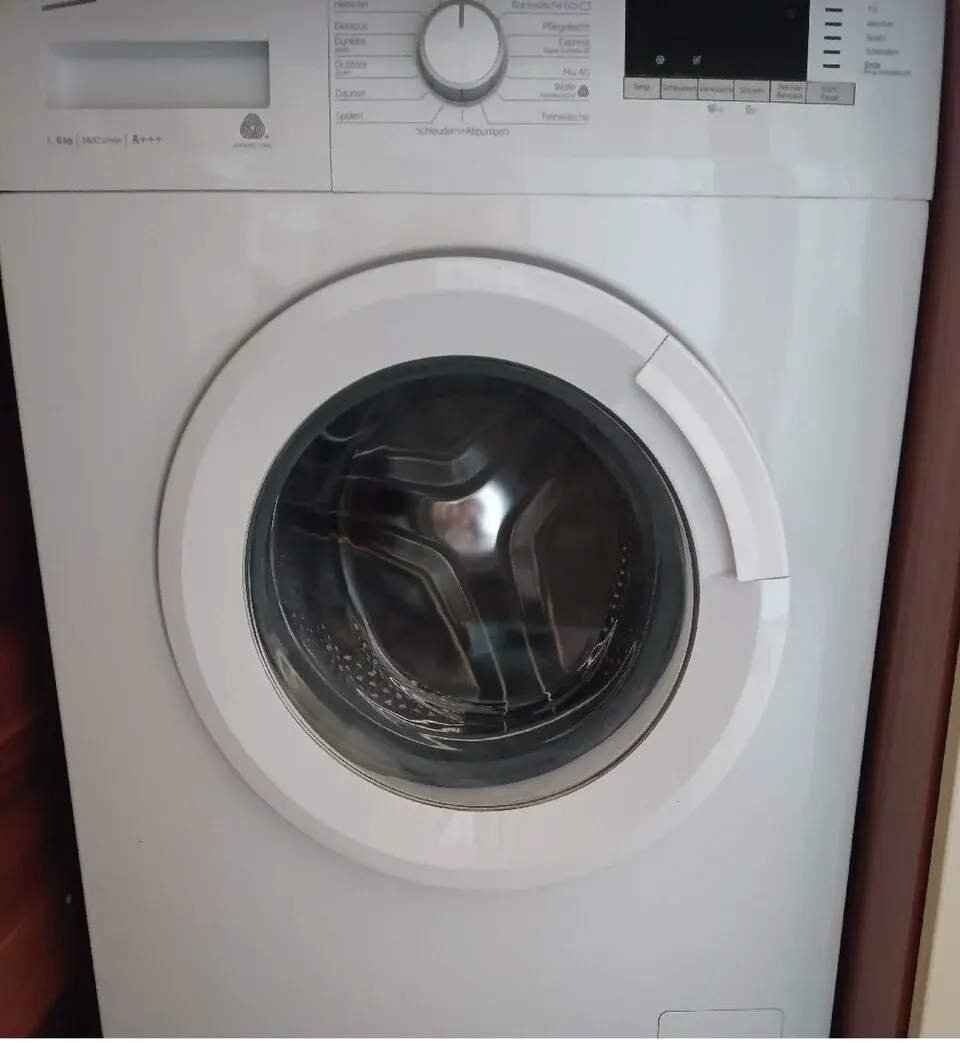
The protection-plan button at an appliance checkout is an offer to buy another product: a service contract with its own price and conditions. Before accepting, open the warranty already included with the appliance and compare the documents side by side.
The FTC distinguishes paid service contracts from included warranties. A plan can cost extra while duplicating coverage you already have. Its name alone says little about what it adds.
1. When does additional coverage begin?
Draw a simple timeline using the purchase date, the included warranty's end date and the paid contract's end date. Ask when each part of the paid coverage starts. A plan advertised as lasting several years may count from purchase, so the first portion can overlap an included warranty.
Copy the dates from the contract rather than subtracting years from a headline. If the seller describes a different arrangement, ask where it appears in writing. Save that answer with the documents.
2. What would a service visit cost?
Record the initial plan price and any deductible, call-out charge or other fee for each repair. Also check who pays to transport a product that cannot be serviced at home. An appliance that is inexpensive to buy can still be awkward to move.
For a hypothetical $120 contract with a $50 fee per visit, two service visits would bring the total spent to $220. The example is not a quoted plan or a forecast of appliance failures; it shows how visit fees add to the checkout price.
3. Which failures and parts are excluded?
Find the exclusions and maintenance requirements. Ask what happens with accidental damage, ordinary wear, cosmetic damage or a problem attributed to installation. Do not assume a broad phrase such as protection covers every reason an appliance can stop working.
The FTC's warranty guidance recommends reading warranty details before purchase and keeping the receipt. Retain the exact model number, purchase record and written coverage. A screenshot of a checkout badge is a weak substitute for the contract itself.
4. Who performs and authorizes the repair?
Identify the company responsible for the contract, the claim channel and whether prior authorization is required. Ask whether you may choose a repairer or must use a specified network. For a refrigerator or washing machine used daily, the service process may matter as much as the maximum reimbursement.
Use these fields when comparing two offers:
| Record | Included warranty | Paid contract |
|---|---|---|
| Start and end dates | Copy from document | Copy from document |
| Covered parts and labor | Record separately | Record separately |
| Per-visit fees | Check conditions | Check conditions |
| Repair authorization | Name the contact | Name the contact |
| Exclusions | Save full text | Save full text |
5. What if you cancel or the product is replaced?
Read cancellation, refund and replacement conditions before paying. Find out whether a replacement ends the contract and whether any refund is reduced by claims or fees. Different agreements can answer differently.
If the seller cannot supply readable terms before checkout, leave the decision open. Keep the appliance's included warranty and purchase receipt whether you accept the extra offer or decline it.
Check whether an existing payment-card benefit adds relevant coverage. Read that issuer's actual terms, including eligible purchases and claim deadlines, before counting it in the comparison. Put any benefit in a third column with the same dates, exclusions and fees. If you cannot obtain the terms, leave that column unresolved. There is no reliable way to value an overlap based only on a card's name or a salesperson's assurance.