
Federal employees hurt on the job could have more options for getting the medical paperwork their workers' compensation claims require. The Senate passed S. 3296 by unanimous consent Monday. The bill would let nurse practitioners and physician assistants diagnose and treat work injuries and certify disability for the federal program when state law permits them to do that work.
Monday's passage leaves the current rules in place. The House has its own version, H.R. 3170, which was reported out of committee and placed on the Union Calendar. The House and Senate would have to agree on the same text before it could go to the president. The Senate bill gives the Labor Department up to six months after enactment to finalize rules.
Who could sign the medical report
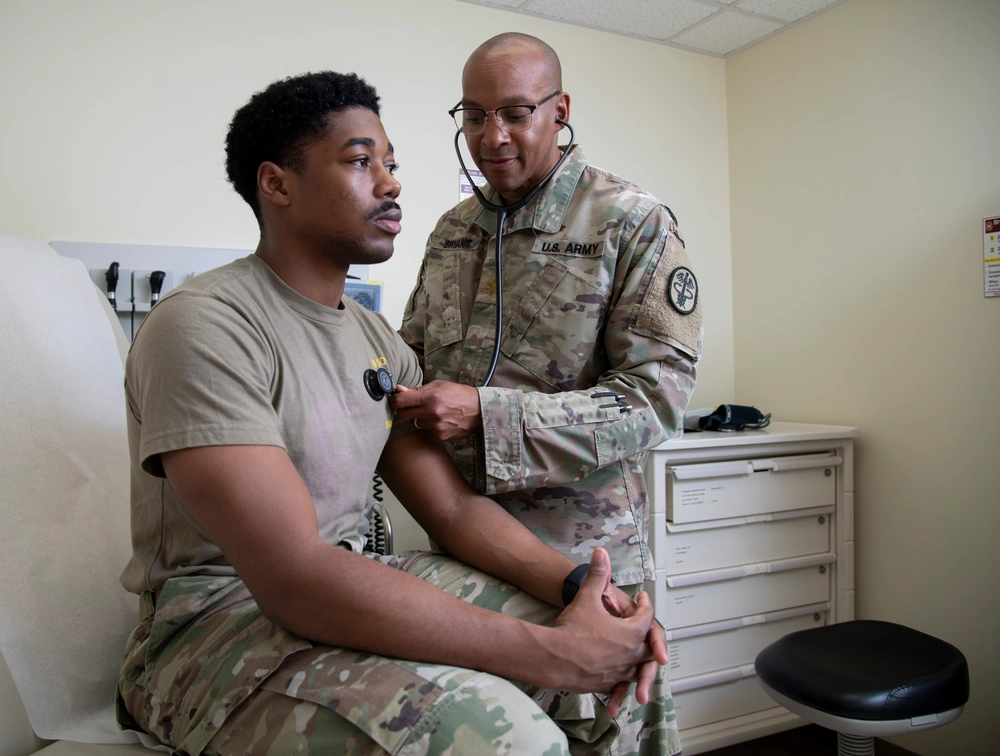
In a federal workers' compensation case, a medical report can establish what injury a worker has, whether it came from work and how it affects the worker's ability to do the job. A worker can see a nurse practitioner or physician assistant and still need a physician's signature for the report to count as medical evidence. The Labor Department's claims manual generally requires that signature for these providers' reports on diagnosis, disability or the need for more treatment.
The claims manual makes room for the care itself. Treatment by these providers can already be paid as a medical expense under federal law. The extra signature is for the report the government uses to decide questions such as diagnosis and disability.
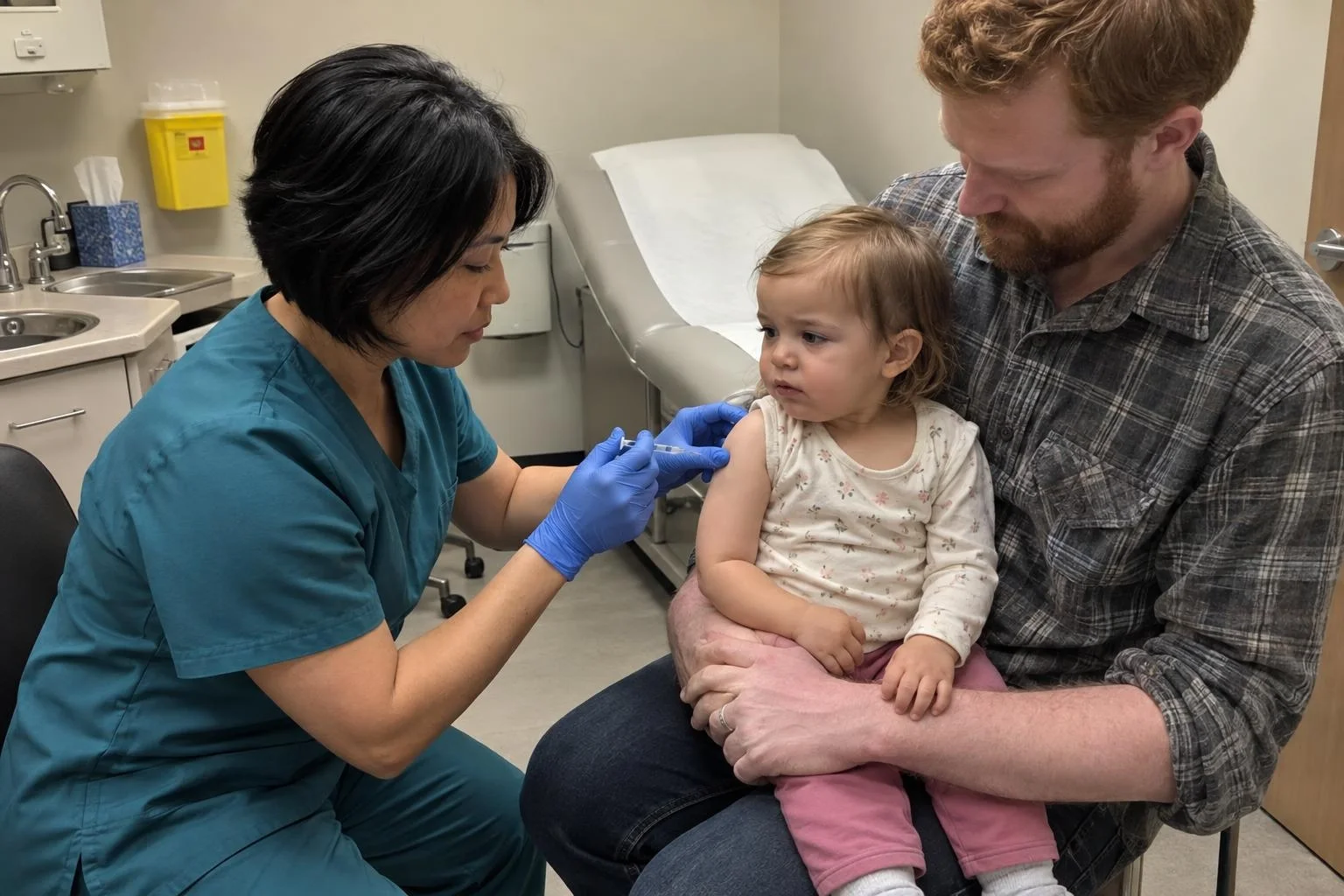
The Senate text would put nurse practitioners and physician assistants in a new class of eligible providers. They could furnish eligible medical services and document a worker's disability within the scope of practice set by state law. For a worker whose regular clinic has an available nurse practitioner or physician assistant, that could mean one less appointment to get a report the program can use. A claims examiner would still have to decide whether the medical evidence supports the claim.
The Congressional Budget Office expects some workers could get treated sooner under the bill. It expects the program to pay the newly eligible providers at the same rate as physicians and projects little change in overall benefits. CBO estimates the bill would change net direct federal spending by less than $500,000 over ten years.
What to do with a claim now

If you are a federal employee dealing with a work injury now, the Labor Department directs workers to its ECOMP claims portal. It says you can start a claim without your supervisor's approval. Register for an account and use Form CA-1 for an injury from an incident or activity within one work shift. Use CA-2 for an occupational illness or injury that develops across more than one shift. Some agencies use an incident report, Form 301, before the claim forms appear in the portal.
Filing the notice starts the claim. The accident report describes the event, and the medical evidence describes the condition and its connection to work. If a nurse practitioner or physician assistant saw you, check whether a physician has cosigned the medical report before you rely on it to support your claim. A note clearing you to return to work may leave out the diagnosis or the clinician's explanation of how your job caused the condition.
The National Association of Letter Carriers has backed the change. The bill applies to claims under the Federal Employees' Compensation Act, which covers federal civilian employment, including postal work. Its next test is in the House. In the meantime, workers with a claim underway can use their portal account to track the case and see whether the Labor Department has received the medical records they submitted.