USDA has opened a loan-guarantee program for meat, poultry and seafood processors, with at least $5 billion in planned lending capacity. For a business considering a new plant or an expansion, the first step is finding a participating lender. The federal backing covers eligible loan losses; the processor still takes on a debt to repay.
The Associated Press reported Sunday that the administration had assembled roughly $15 billion in agricultural assistance announcements, including this lending initiative. That total combines different programs. It should not be read as $15 billion in new checks available through one application.
Who can use the processing loans
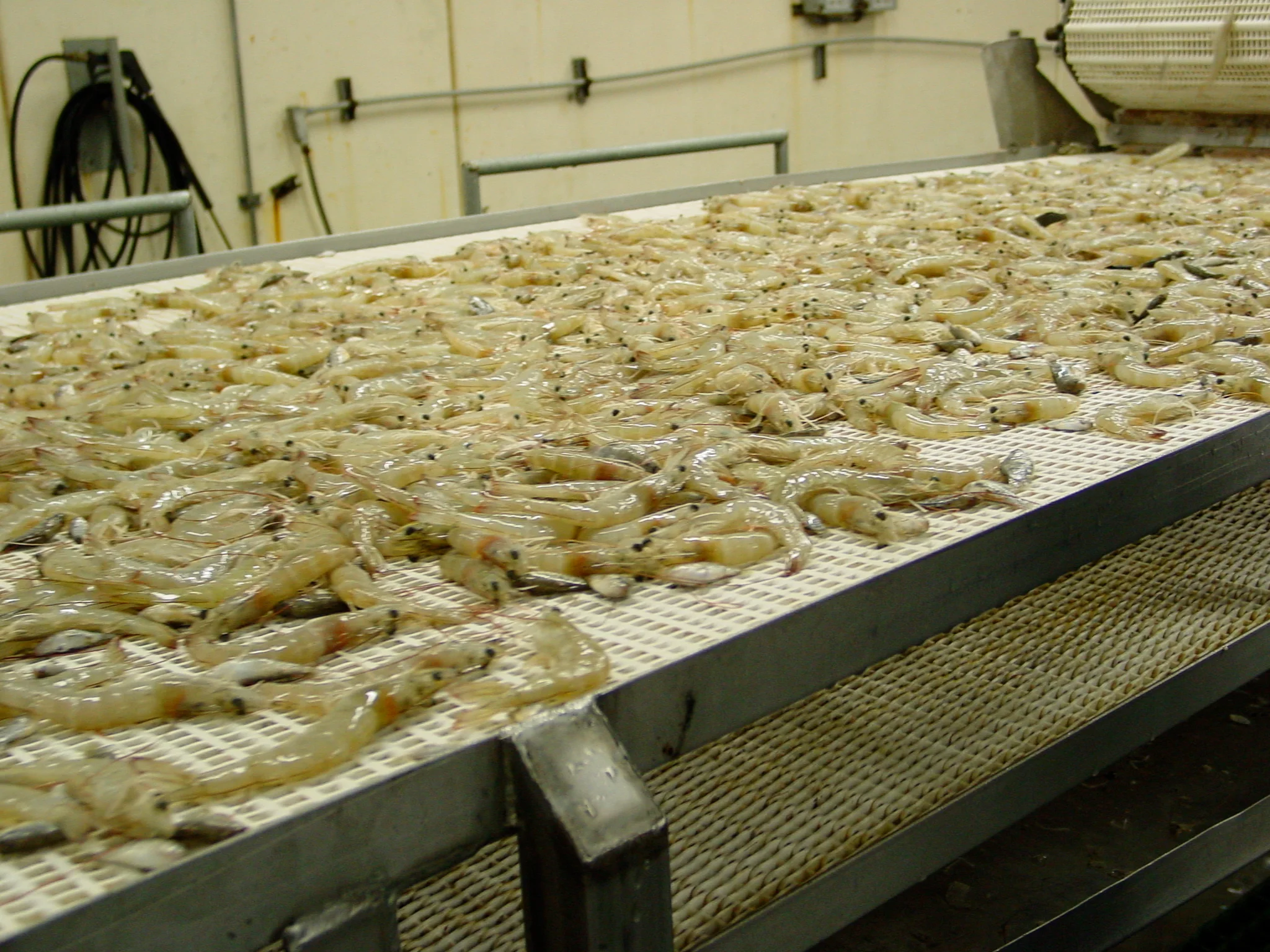
USDA Rural Development’s SPUR program covers existing and proposed processing businesses. Eligible borrowers can include individuals, businesses, cooperatives, nonprofits, tribes and public bodies. Both urban and rural facilities can qualify.
The businesses must be domestically owned, with majority ownership by US citizens. Nationally dominant processors and businesses owned or controlled by foreign adversaries are excluded. USDA’s market-share test excludes a company holding at least as much of the relevant market as its fourth-largest participant.
Eligible projects include facilities, equipment and infrastructure used to expand or improve processing. USDA also lists food-safety and worker-safety technology and certain refinancing that improves cash flow and creates or saves jobs. Loan proceeds must remain in the United States.
What the guarantee means for repayment
The funding notice sets the maximum guarantee at 90% of eligible guaranteed loan loss. The lender must retain at least 10% of the total loan amount. Those percentages describe the financing arrangement, not a reduction in the borrower’s repayment obligation.
The $175 million borrower limit includes guaranteed and unguaranteed portions, existing balances and new SPUR borrowing. USDA permits a two-year deferral of principal and interest with lender and agency approval. The first full principal-and-interest payment must begin within three years of the promissory note, with payments at least annually afterward.
Interest rates are negotiated with the lender and reviewed by USDA. Rates can be fixed or variable; variable rates cannot change more often than quarterly. Loan terms can run up to 40 years, depending on the financing. These are program limits, not a rate or repayment schedule every borrower receives.
Applying through a lender
The Federal Register announcement says applications are accepted until funds are exhausted and directs lenders to their USDA Rural Development state office for submission instructions. Its loan level is at least $5 billion for fiscal 2027. Rural Development’s program page labels the window open while also noting that funding is pending congressional approval.
A complete application requires more than a project description. The funding notice calls for a lender’s credit evaluation, financial statements, an executive summary, collateral appraisal information and a feasibility study by a qualified consultant. That study must assess whether the project can succeed, including its markets, management, labor, inputs and distribution. Lender approval alone does not constitute USDA approval.
Ask the lender for the proposed interest rate, payment schedule and applicable guarantee fees before comparing offers. The October 27 Federal Register notice includes a fee table but gives an effective date of October 1, 2027. Have the lender identify the schedule that applies to the proposed loan, rather than assume that table’s fees apply immediately.
The other SPUR program has a different deadline
The Farm Service Agency also uses SPUR for $500 million in temporary support to qualifying small, independent and midsize beef slaughter facilities.
That program makes formula-based payments intended to reduce high cattle-acquisition costs per head. Its eligibility is limited to qualifying federally inspected beef slaughter facilities, including specified cooperative inspection programs. It does not offer the same meat, poultry and seafood scope as Rural Development’s lending program.
FSA’s published application deadline was September 30, 2026. The later loan announcement does not reopen that payment deadline. A processor pursuing the new financing should work through a lender and Rural Development’s state office, rather than send a loan request to the earlier payment program’s application mailbox.