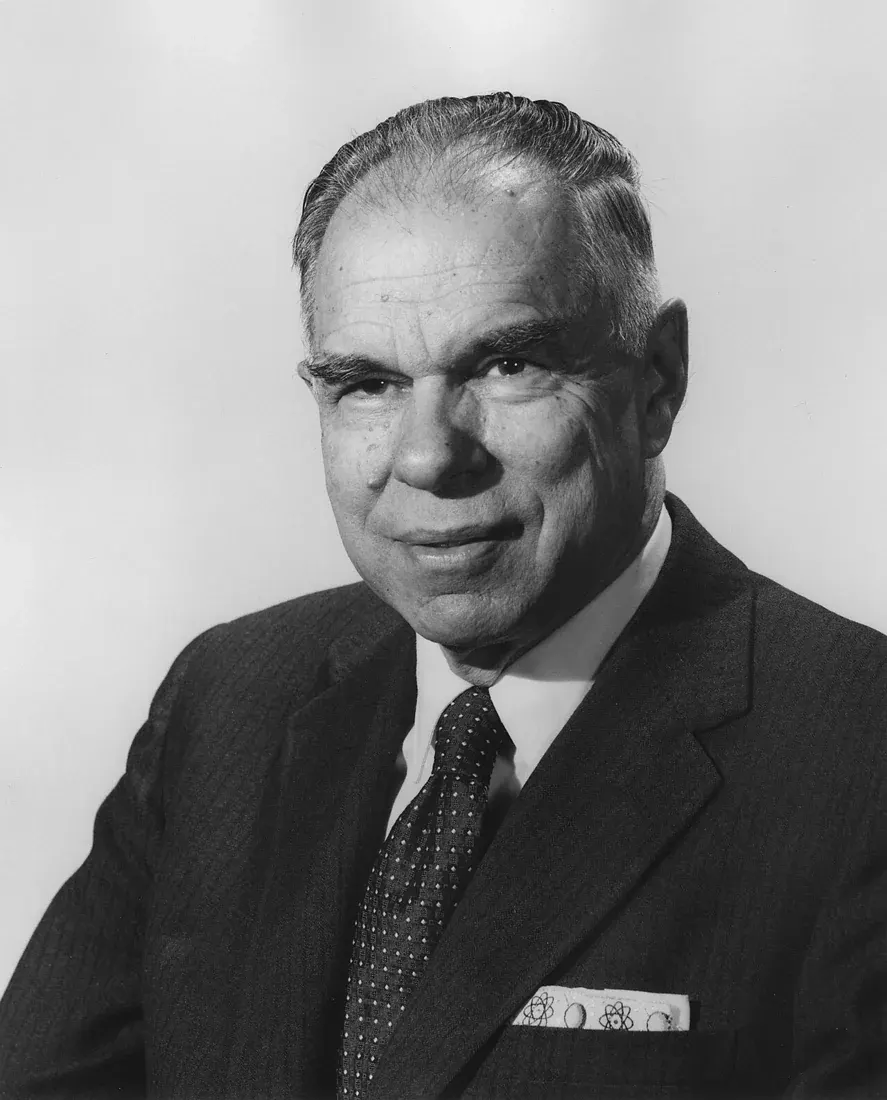
A letter arranging a visit can reveal a relationship that an official agreement leaves out. In a Library of Congress interview published October 20, historian Anna Doel explains how scientists' papers change her account of American-Soviet contacts during the Cold War.
Doel worked with the papers of Glenn Seaborg and Charles Herzfeld. She describes a long correspondence between Seaborg and Soviet scientist Vitalii Goldanskii that included scientific discussion, travel and family matters. Those everyday details let a researcher ask how a professional connection was maintained, rather than simply whether contact occurred.
The interview also offers a useful warning: a letter can refer to photographs that are no longer in the folder. The reference survives; the enclosure may not. That gap should remain visible in any account built from the material.
Letters, travel records and missing photographs
| What you find | What it establishes |
|---|---|
| A letter proposing a visit | A proposal, with its stated date and purpose |
| A report describing the visit | An account written by that report's author |
| A reference to enclosed photographs | Evidence that the writer said photographs were enclosed |
Seaborg’s papers are extensive. The Library's finding aid describes about 370,000 items in sixteen series, including correspondence, journals, Atomic Energy Commission records and research files. The collection spans scientific work, public decisions and personal exchanges.
A journey may appear in correspondence and a trip report; a public decision may also appear among agency records. The finding aid distinguishes original notebooks, expanded typed journal transcripts and published journals. Those are different versions of the record, produced for different purposes. Doel’s account also describes archivists pointing her toward repositories she had not initially selected, widening the search beyond the best-known scientist’s papers.