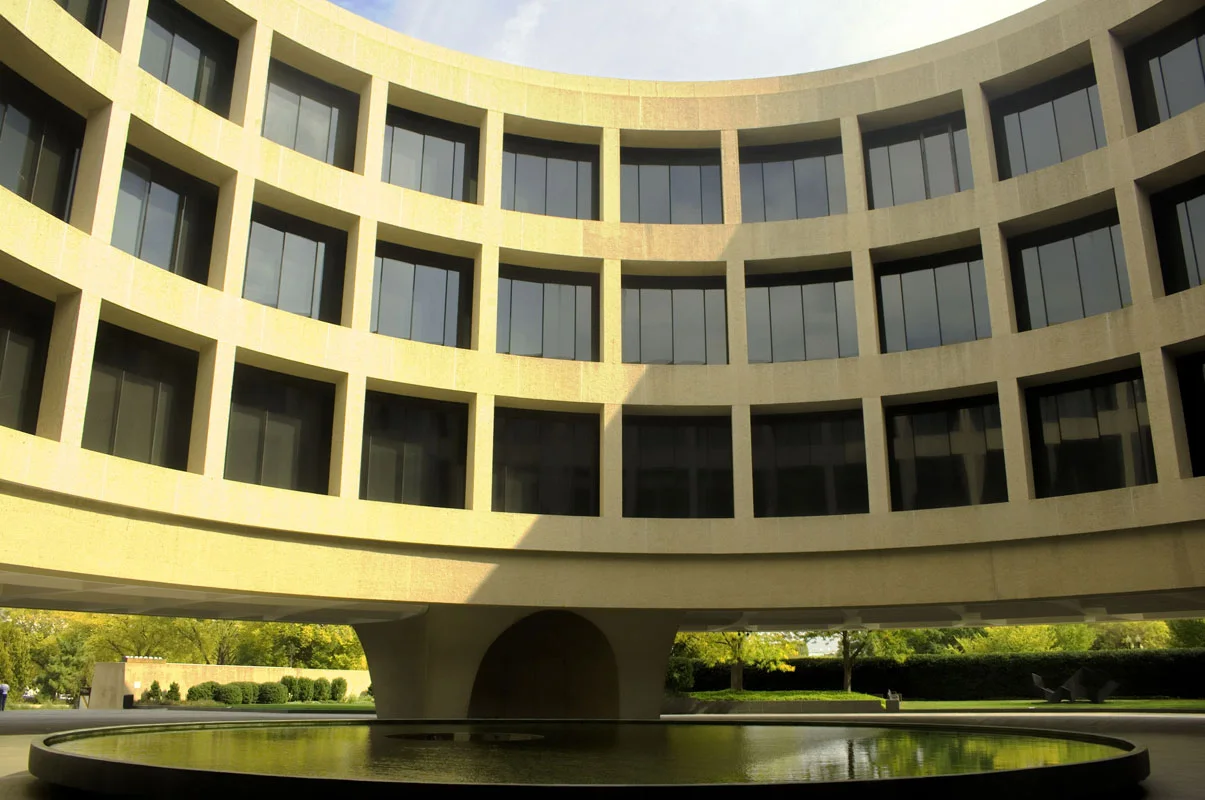
The Hirshhorn Sculpture Garden reopens Saturday, October 31, with a new route beneath Jefferson Drive, more entrances and an outdoor exhibition by Yoshitomo Nara. Admission is free. For opening-day visitors, the first distinction is the time: campus activities begin at 10 a.m., but the garden itself opens at 11 a.m.
The Washington museum's 1.3-acre garden has been closed for renovation since 2023. Artist and architect Hiroshi Sugimoto's redesign reconnects it with the museum plaza through a long-closed underground passage. The Smithsonian's reopening announcement describes an expansion from two entrances to five and nearly 60 artworks across the garden and plaza.
Opening day starts in two stages
The October 31 celebration runs from 10 a.m. to 4 p.m. Eastern. Art School activities on the museum's lower level and activities on the plaza begin at 10. Access to the Sculpture Garden begins an hour later.
The schedule puts Nara's pop-up talk at 11:30 a.m., followed by Chatchai Puipia at 1 p.m., Raven Halfmoon at 2 p.m. and Pedro Reyes at 3 p.m. The museum welcomes all ages, with clay sculpture, miniature garden making and other activities included in the free program.
Visitors arriving a day early should account for a full closure: the Hirshhorn says it will be closed Friday, October 30. Saturday's celebration schedule describes the opening event; it should not be read as the garden's regular daily operating hours.
A passage, ramps and room for performance
The garden's exhibition page identifies wide ramps from the north and south, new overlooks on the east and west, and expanded seating and shade. The changes give visitors several ways into the sunken space while restoring the connection to the museum across Jefferson Drive.
Sugimoto has turned that connection into an artwork, Passage of Reflectance (2026). Its polished stainless-steel surfaces bring reflections and light into the underground route. Above ground, hand-cut, dry-stacked stone walls define outdoor galleries. The museum says their construction used 950 tons of stone.
The central water feature can be filled as a reflecting surface or drained to make room for seating during performances, talks and education programs. That flexibility is part of the redesign's shift toward accommodating temporary events alongside sculptures that remain on view.
The Hirshhorn's January 2022 planning animation presents Sugimoto's proposal. Its completion forecast predates the current opening date; the animation does not document the finished garden.
Nara's heads launch a changing West Lawn
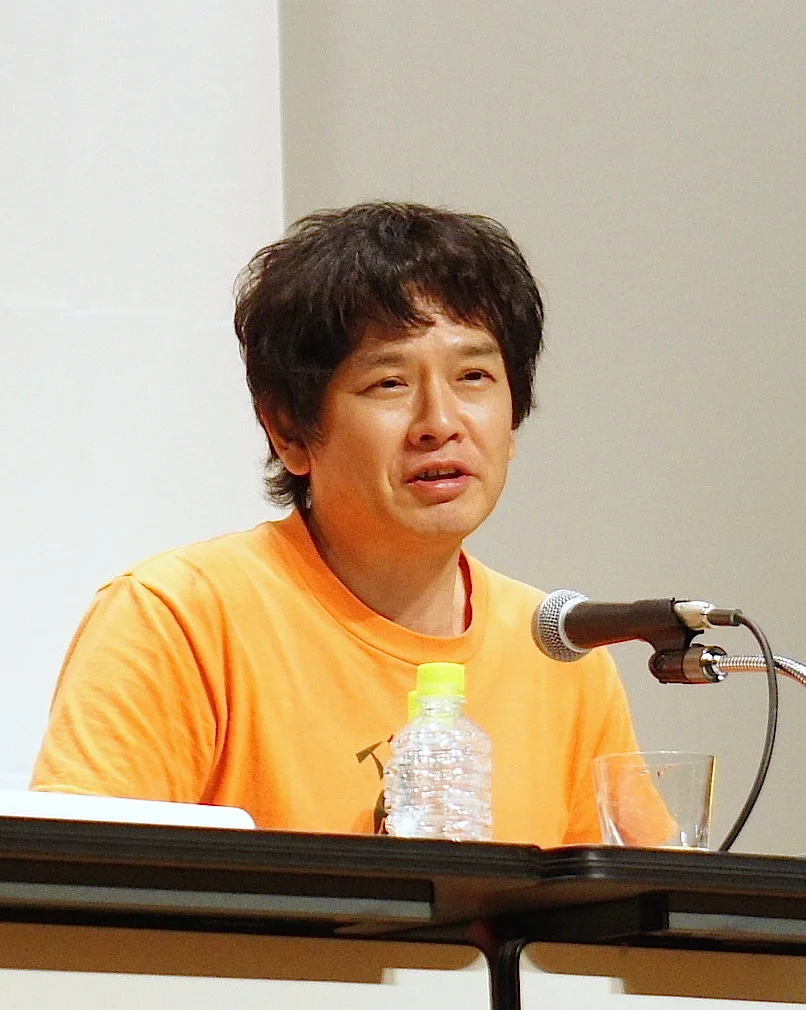
The West Lawn introduces a dedicated space for special presentations. Its first exhibition, Yoshitomo Nara: Sentinels of Stillness, runs from October 31 through November 7, 2027.
The three works are Long Tall Peace Sister, Smiling and Tiny Bright Round Eyes, all dated 2025. Each enlarges a small clay head Nara made in 2021. The finished monumental sculptures are aluminum coated in white urethane paint, rather than large blocks of clay. The museum connects their white surfaces with snowdrifts remembered from the artist's childhood winters.
Elsewhere, the collection display includes modern sculpture by Auguste Rodin, Henry Moore and Barbara Hepworth alongside more recent acquisitions. The rotating West Lawn exhibition gives a return visit a different focus from the broader collection installation.
The garden has changed before
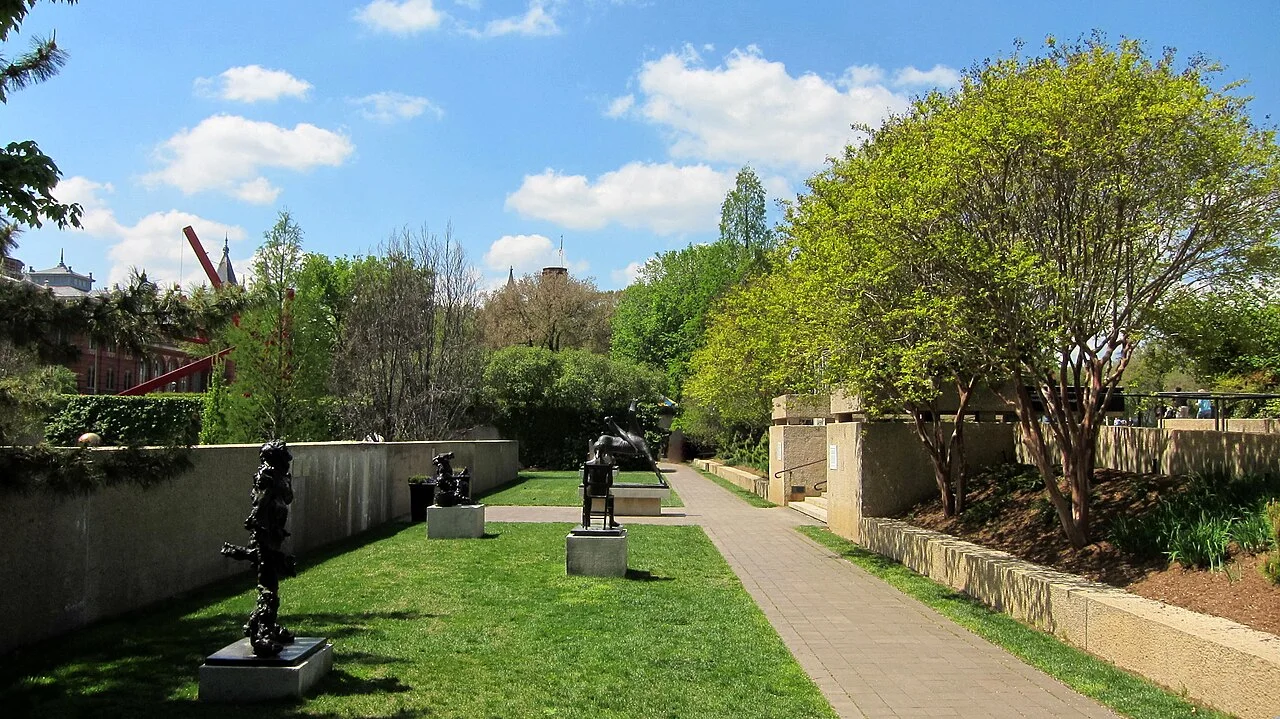
Gordon Bunshaft designed the museum and garden, which opened in 1974. Landscape architect Lester Collins revised the garden in 1981, adding ramped walks, shade trees and ground-cover planting to improve access and comfort, according to the National Capital Planning Commission's approval record.
That history shaped the latest redesign. When the commission approved final site-development plans on December 2, 2021, it specifically noted the retention of the historic reflecting pool and the addition of a complementary pool beside it. Its account also describes keeping the inner partition wall in place with historic concrete aggregate while lowering its height so people on the Mall could look into the garden.
The commission praised restoration of the underground connection as well as preservation of the garden's sunken form. Those retained elements sit within the same campus as Sugimoto's new stonework, access routes and spaces for changing exhibitions.
The Hirshhorn is at Independence Avenue and Seventh Street SW. Its Smithsonian visitor listing says admission is free with no passes needed and identifies L'Enfant Plaza's Smithsonian Museums exit for Metrorail access.