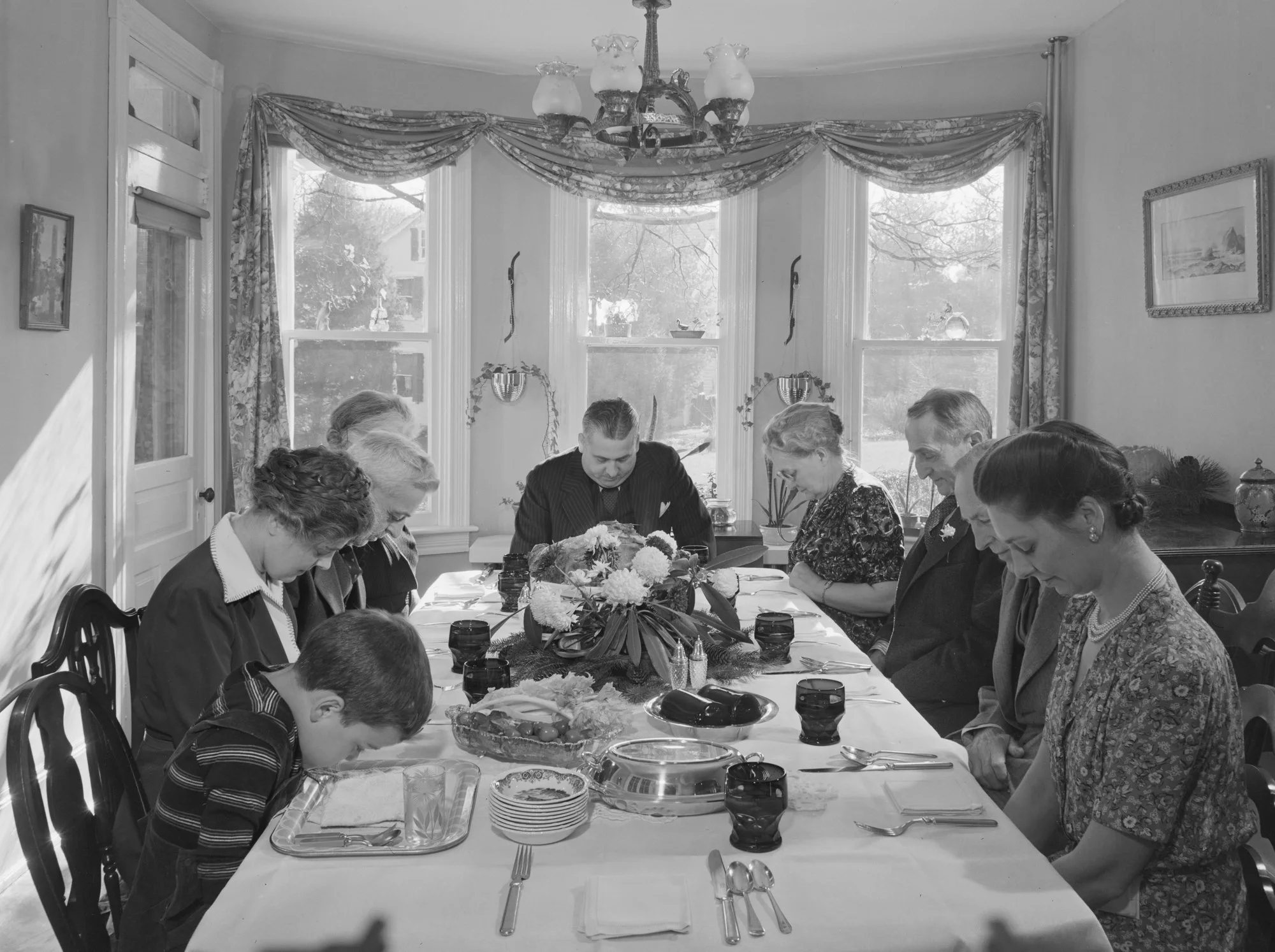
Thanksgiving lands on Nov. 26 this year, which happens to be both the fourth Thursday of November and the last one. Most years those are the same day, and for about 70 years presidents picked the last one. When the two finally split, the country briefly kept two Thanksgivings, and Congress stepped in to settle the date in December 1941, weeks after Pearl Harbor.
For most of the nation's first century, the holiday moved at the pleasure of whoever issued the proclamation, and for some of that time it was not reliably held in November at all.
A holiday without a fixed date
The first national thanksgivings came from the Continental Congress during the Revolutionary War. It recommended a day of "solemn thanksgiving and praise" for Thursday, Dec. 18, 1777, named the first Thursday of May 1779 as a day of fasting and prayer, and called for another thanksgiving in 1784 to mark the peace with Britain. These were recommendations to the states, which decided for themselves whether to follow.
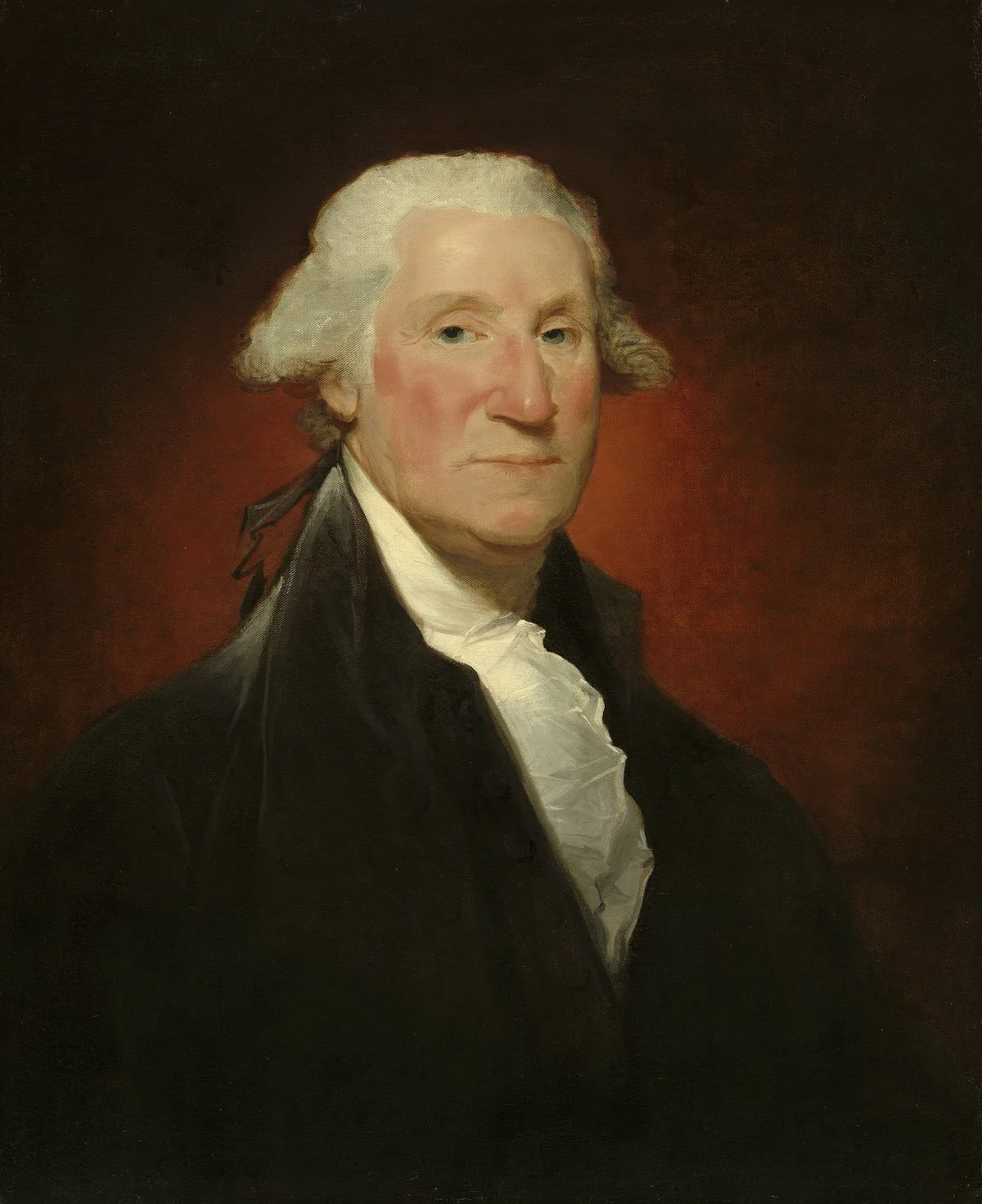
Under the new Constitution, the first Federal Congress took up the question on Sept. 28, 1789, just before its recess, with a resolution calling on the president to name a day of thanksgiving. George Washington answered with a proclamation on Oct. 3 naming Thursday, Nov. 26, 1789, as a day of public thanksgiving and prayer.
That date did not stick. Later proclamations from Washington and James Madison fell in February 1795 and April 1815. For decades afterward, governors set their own Thanksgiving dates, the patchwork Hale's 1863 letter describes.
The editor who wrote to every governor
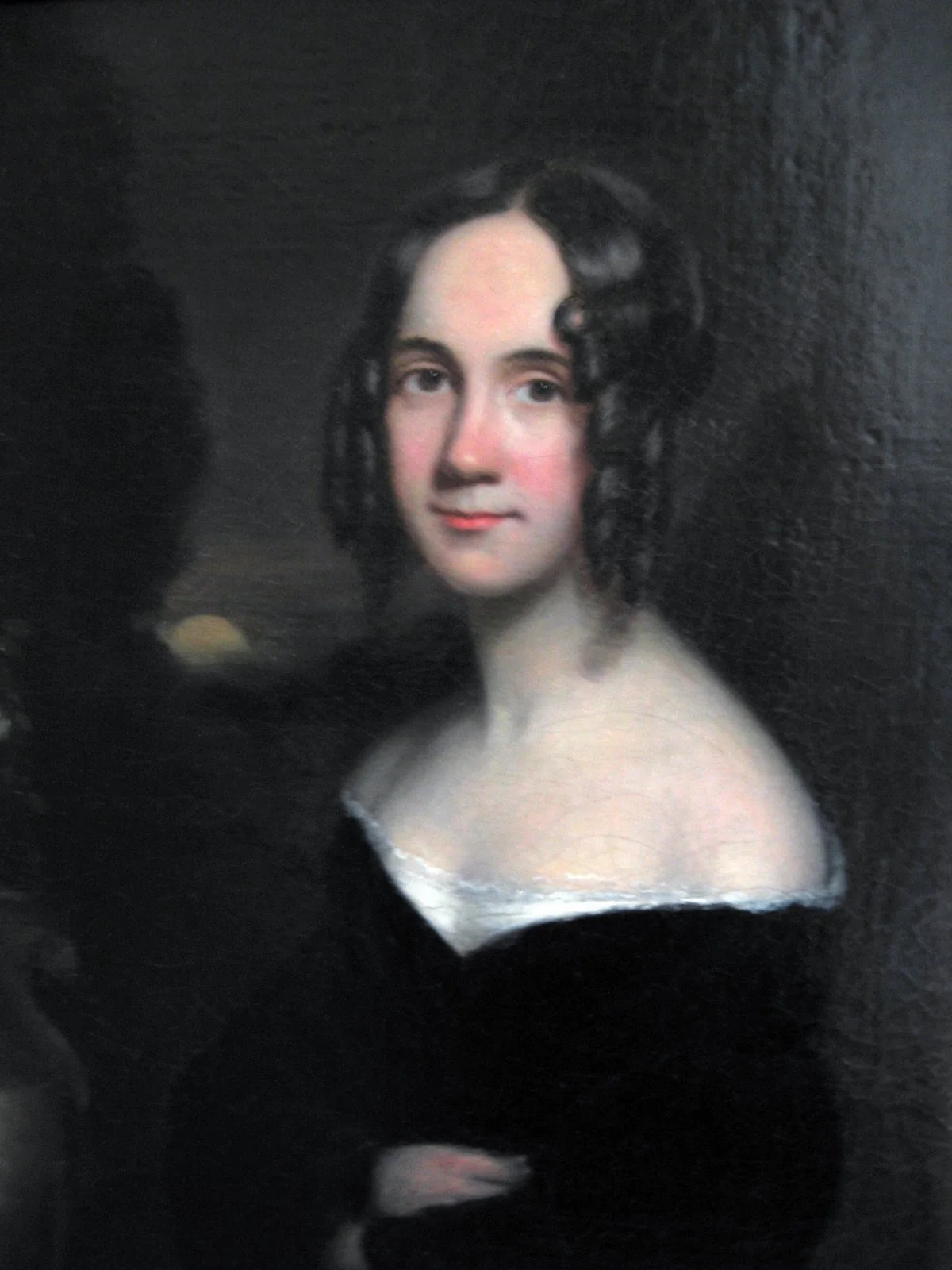
Much of the push for one national date came from a magazine editor in Philadelphia. Sarah Josepha Hale became the first woman to edit an American magazine when she took over the Ladies' Magazine in Boston in 1828, according to the National Park Service. After the magazine was sold in 1837 and became the Lady's Book, better known as Godey's Lady's Book, she edited it until 1877. A book of her poems for children included "Mary Had a Little Lamb."
Her campaign for one national Thanksgiving ran for years. She printed the idea in her magazine and mailed it to state governors. By the fall of 1863 she had concluded that a presidential proclamation was the fastest route.
On Sept. 28, 1863, she wrote to Abraham Lincoln. The letter, now in the Library of Congress, asks him to make "the day of our annual Thanksgiving" a "National and fixed Union Festival." Hale wrote that she had promoted the idea in the Lady's Book "for the last fifteen years" and had sent it to "the Governors of all the States and Territories," as well as to American diplomats abroad, missionaries and Navy commanders.
She laid out the legal path in detail. Getting every state to pass a law would take years, she argued, but the president already had authority over the District of Columbia, the territories, the Army, the Navy and Americans overseas. He could proclaim a day for them and invite each governor to match it. She asked for the last Thursday in November, "which falls this year on the 26th," and added that "an immediate proclamation would be necessary" to reach the states before governors picked their own dates.
Lincoln picks the last Thursday
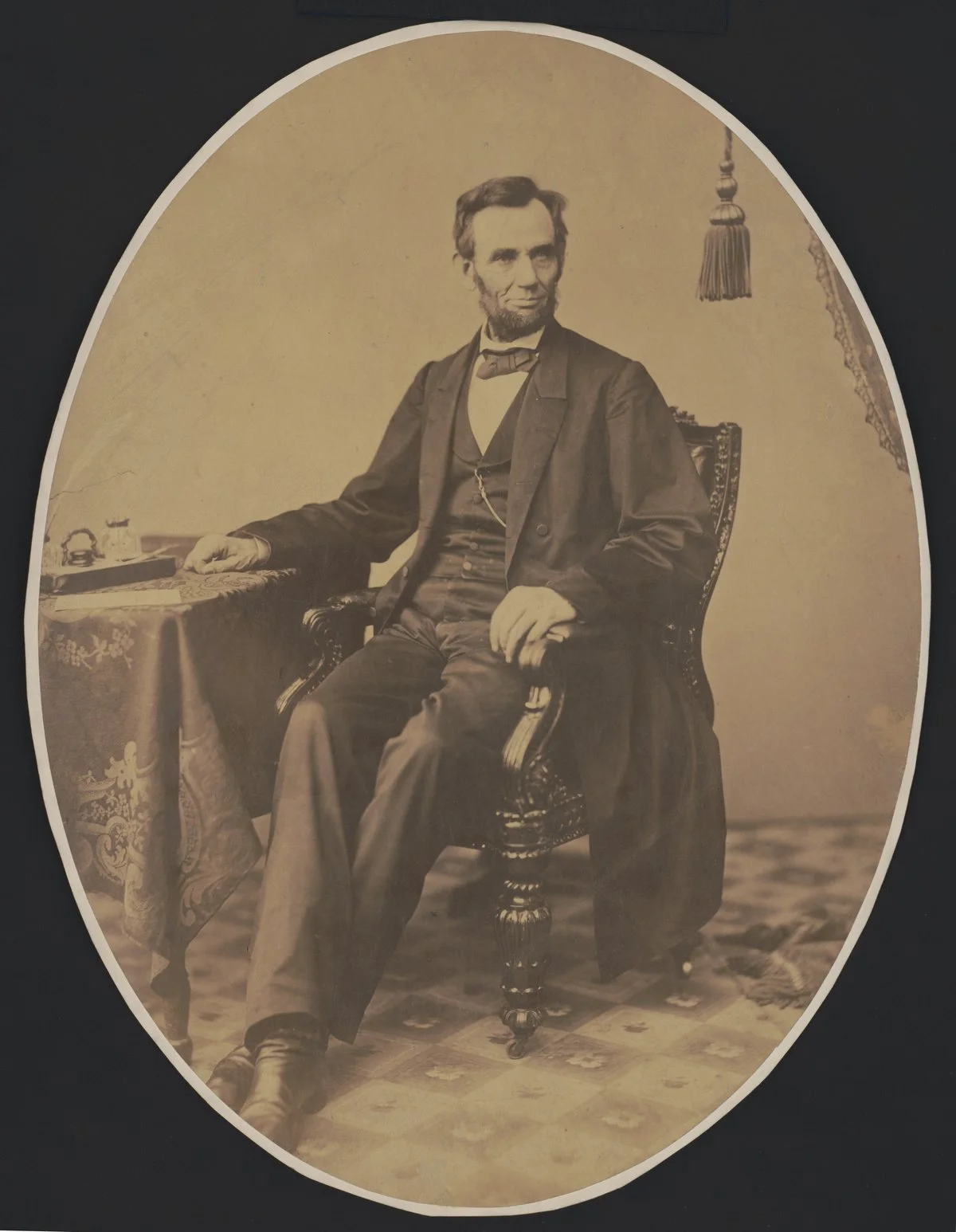
Five days later, on Oct. 3, 1863, Lincoln did what Hale asked. His proclamation, countersigned by Secretary of State William Seward, began with the harvest and the war. "In the midst of a civil war of unequaled magnitude and severity," it noted, peace had been kept with other nations and order maintained at home.
Lincoln invited Americans "in every part of the United States, and also those who are at sea and those who are sojourning in foreign lands, to set apart and observe the last Thursday of November next as a Day of Thanksgiving and Praise." He also asked them to remember "all those who have become widows, orphans, mourners, or sufferers in the lamentable civil strife."
Lincoln named the last Thursday again in 1864. Hale had not stopped writing either, and the Lincoln papers include a letter about Thanksgiving she sent Seward on Oct. 9, 1864, ahead of that year's holiday.
The custom wobbled once after Lincoln's death. Andrew Johnson's first proclamation chose the first Thursday in December, though he returned to the last Thursday of November for the rest of his term. In 1870, Congress made Thanksgiving a legal holiday in the District of Columbia alongside Christmas, New Year's Day and the Fourth of July. Those three had fixed dates. Thanksgiving was left to the president, and from then on presidents named the last Thursday of November. The day still had no fixed date in federal law.
1939, the year of two Thanksgivings
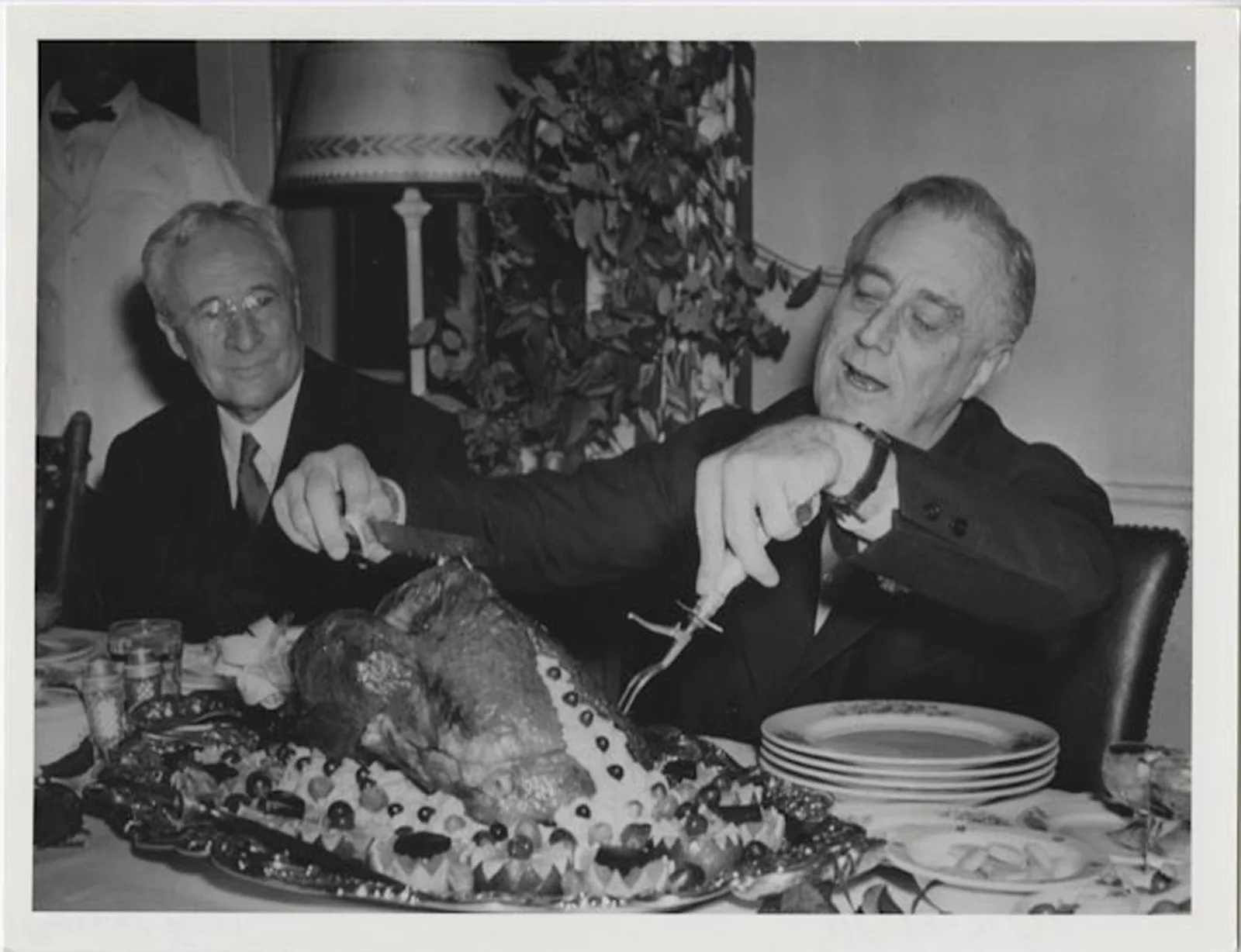
The weak point in that arrangement showed up whenever November had five Thursdays, because the last one then fell on Nov. 30 and cut the shopping season before Christmas to less than four weeks. It happened in 1933, Franklin D. Roosevelt's first year in office, and retailers lobbied him to move the holiday a week earlier. Among the letters was one from the Downtown Association of Los Angeles, now in the FDR Library. Roosevelt declined. On Oct. 13, 1933, the White House said the day would be observed as usual and explained that a change would cause confusion in states that set the date by law, disrupt football games and interfere with holiday rail excursions, according to a National Archives history of the episode by historian G. Wallace Chessman.
In 1939 the calendar lined up the same way, and this time retailers were still hurting from the 1937-38 recession. On Aug. 4, Lew Hahn, general manager of the National Retail Dry Goods Association, wrote to Commerce Secretary Harry Hopkins that 12% to 15% of all annual retail sales happened between Thanksgiving and Christmas. Ten days later, on vacation at Campobello Island, Roosevelt told reporters he had heard for six years "complaints that Thanksgiving Day came too close to Christmas." The holiday had moved around before, he said, "so there is nothing sacred about it." He would make it Nov. 23.
The backlash was immediate. The selectmen of Plymouth, Massachusetts, wired the White House that the change sacrificed "the real significance of the day for the purpose of satisfying commercial interests." An early Gallup poll found 62% of Americans opposed, with most Democrats in favor and most Republicans against. Calendar makers protested that millions of 1940 calendars were already printed. Football coaches objected because several of the season's biggest games were scheduled for Nov. 30, and Penn and Cornell moved their traditional holiday game to Saturday, Nov. 25.
Governors split. According to the National Archives, 32 states issued proclamations matching the president's date and 16 kept Nov. 30. Texas, Colorado and Mississippi observed both. Roosevelt carved the turkey at Warm Springs, Georgia, on Nov. 23, while 46 governors shipped dishes from their home states to a feast in Plymouth on the 30th.
Roosevelt kept the earlier date for the next two years, choosing the third Thursday in both 1940 and 1941.
Congress fixes the date
The experiment ended because the numbers did not support it. New York Mayor Fiorello La Guardia asked his city's commissioner of commerce to find out whether the retailers' predictions had come true. His May 6, 1941, report to Roosevelt found that the 203 New York City stores that answered his survey had no greater combined sales under the earlier date, and he concluded that it "has not yet proved worthwhile." The retail association that had pushed for the change had already reversed itself at an unpublicized convention in January.
On May 20, 1941, Roosevelt told reporters the experiment "did not work." He said 1941 could not change, because calendar makers and stores had already been told Nov. 20. The next year, the holiday would go back to the last Thursday.
Congress went further. On Oct. 6, 1941, the House passed a joint resolution, H.J. Res. 41, making the last Thursday in November a legal holiday. The Senate Judiciary Committee, in a Nov. 24 report, proposed changing "last" to "fourth" so that a five-Thursday November would not push the holiday back to the 30th.
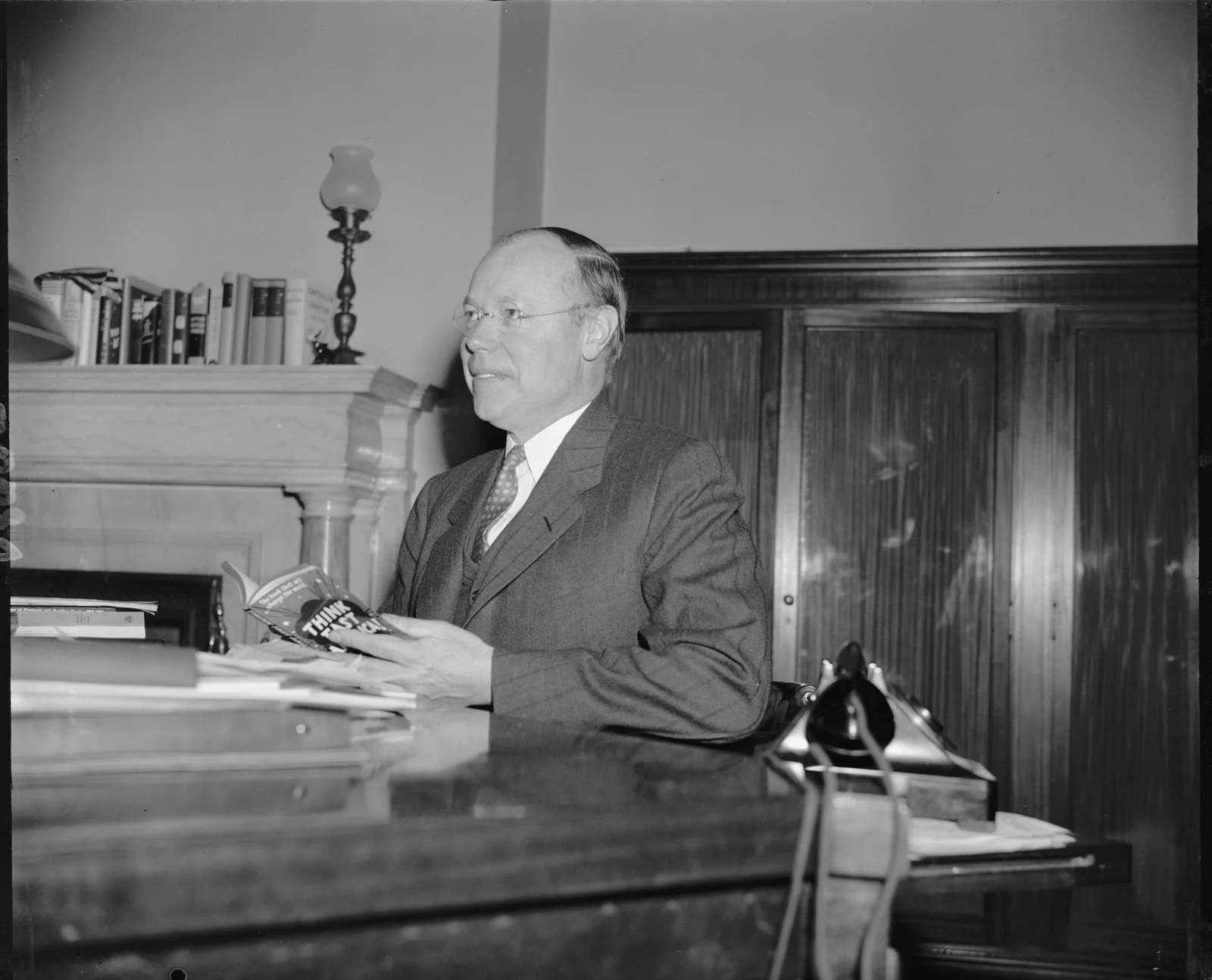
The Senate took up the amendment on Dec. 9, two days after the attack on Pearl Harbor. Sen. Robert A. Taft of Ohio asked whether there was any historical basis for replacing "last" with "fourth." Sen. John A. Danaher of Connecticut replied that in five of every seven years the fourth Thursday is also the last and that the point was "simply to have a fixed date so that everyone will know from now on what day is to be Thanksgiving Day." The House agreed, and Roosevelt signed the resolution on Dec. 26, 1941. It took effect in 1942.
Holdouts, and the years that come early
A federal law did not end the argument right away, because states set their own holidays. It did not matter in 1942, when the fourth and last Thursdays were the same day, Nov. 26, and New York and New Jersey used the quiet year to write the fourth Thursday into state law. In 1944, the first year the two dates split under the new law, the fourth Thursday fell on Nov. 23, and even the New England governors went along. Six years later, five states still held out for Nov. 30, the last Thursday: Arkansas, Kentucky, Nebraska, New Mexico and Tennessee, and Texas again kept two Thanksgivings. Only in 1951 did the whole country celebrate on one day.
Today federal law lists "Thanksgiving Day, the fourth Thursday in November" among the legal public holidays, and presidents still issue a proclamation each year. Under that rule Thanksgiving always falls between Nov. 22 and Nov. 28.
The calendar still swings from year to year, and this year's Nov. 26 Thanksgiving leaves 29 days until Christmas. In 2027 the holiday falls on Nov. 25. In 2028, November starts on a Wednesday and has five Thursdays, the same setup as 1939. Under the old last-Thursday custom, Thanksgiving would land on Nov. 30. Under the 1941 law it comes on Nov. 23, a week earlier, the same date Roosevelt chose in 1939.