
On Nov. 10, 1983, the National Intelligence Daily, a top-secret intelligence summary, carried a short item headed "USSR-EAST GERMANY: Air Units Alerted." Soviet air units in East Germany, strike forces among them, had raised their alert level in response to a NATO command post exercise called Able Archer 83. The alert had begun on Nov. 2. Unit commanders had been told to take every step quietly, "under the guise of routine training." In keeping with that order, command staff kept attending scheduled meetings and the Bolshevik Revolution anniversary celebrations. That item is reprinted in the State Department's official history of the period.
The analysts' comment at the bottom was calm. The alert was "unusual in breadth," they wrote, but it seemed to be training, "not because of an anticipated military move by the West."
It took the U.S. government more than six years to decide that the calm reading was probably wrong. In February 1990, the President's Foreign Intelligence Advisory Board finished a review of the episode, declassified in 2015. It concluded: "In 1983 we may have inadvertently placed our relations with the Soviet Union on a hair trigger."
The exercise ran from Nov. 2 to 11, 1983, 43 years ago this week. Much of what Soviet forces did during it is now on the public record, and some of it is still blacked out.
A year of rising fear
The board traced the Soviet anxiety to a KGB collection plan that began in 1981. Its goal was to spot early signs that the United States was preparing a surprise nuclear attack. The project was called RYaN, a Russian acronym for "nuclear missile attack," and the KGB built a computer model for it called VRYAN, for "Surprise Nuclear Missile Attack."
According to the board's account, the model held a database of 40,000 weighted military, political and economic factors. It gave American power a fixed score of 100. The program's experts believed the Soviet Union was safe from a first strike at 60 and wanted 70 for a margin. Reports went to the Politburo once a month, and about 200 KGB employees fed it fresh data. By 1984, the board wrote, the model put Soviet power at 45 percent of America's, close to a 40 percent line that Soviet leaders treated as the point of dangerous inferiority.
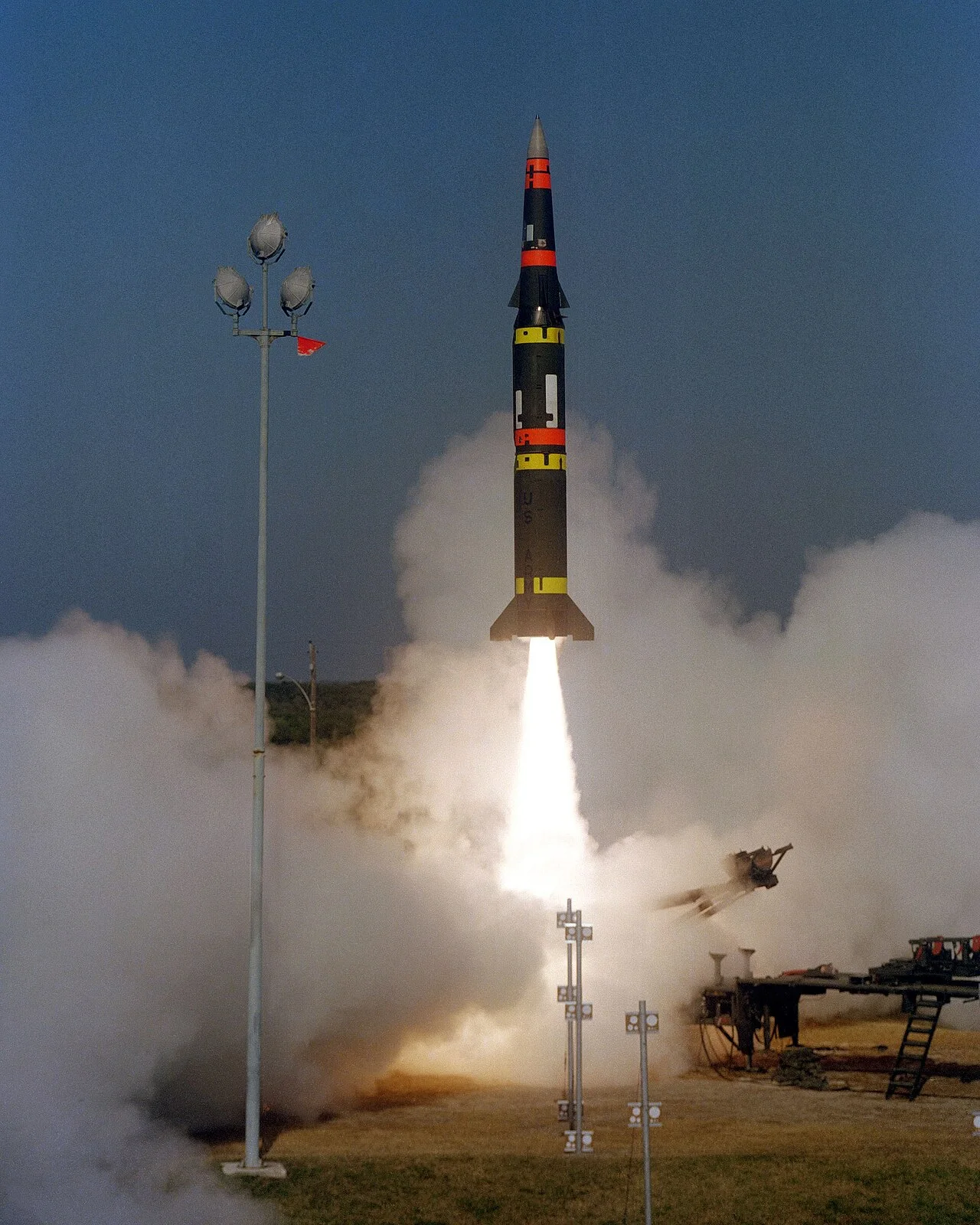
Outside events made the mood worse through 1983. The Soviet Union shot down Korean Air Lines Flight 007 at the end of August. In late October, the U.S. Marine barracks in Beirut was bombed and U.S. forces invaded Grenada. NATO was weeks away from deploying new medium-range missiles in Western Europe, including the Pershing II, and massive demonstrations against them broke out in West Germany and other NATO countries.
The Soviet leader, Yuri Andropov, was seriously ill. The board noted that he failed to appear at the Nov. 7 Revolution Day celebrations in the Kremlin and wrote that he "may have been incapacitated."
What made this exercise different
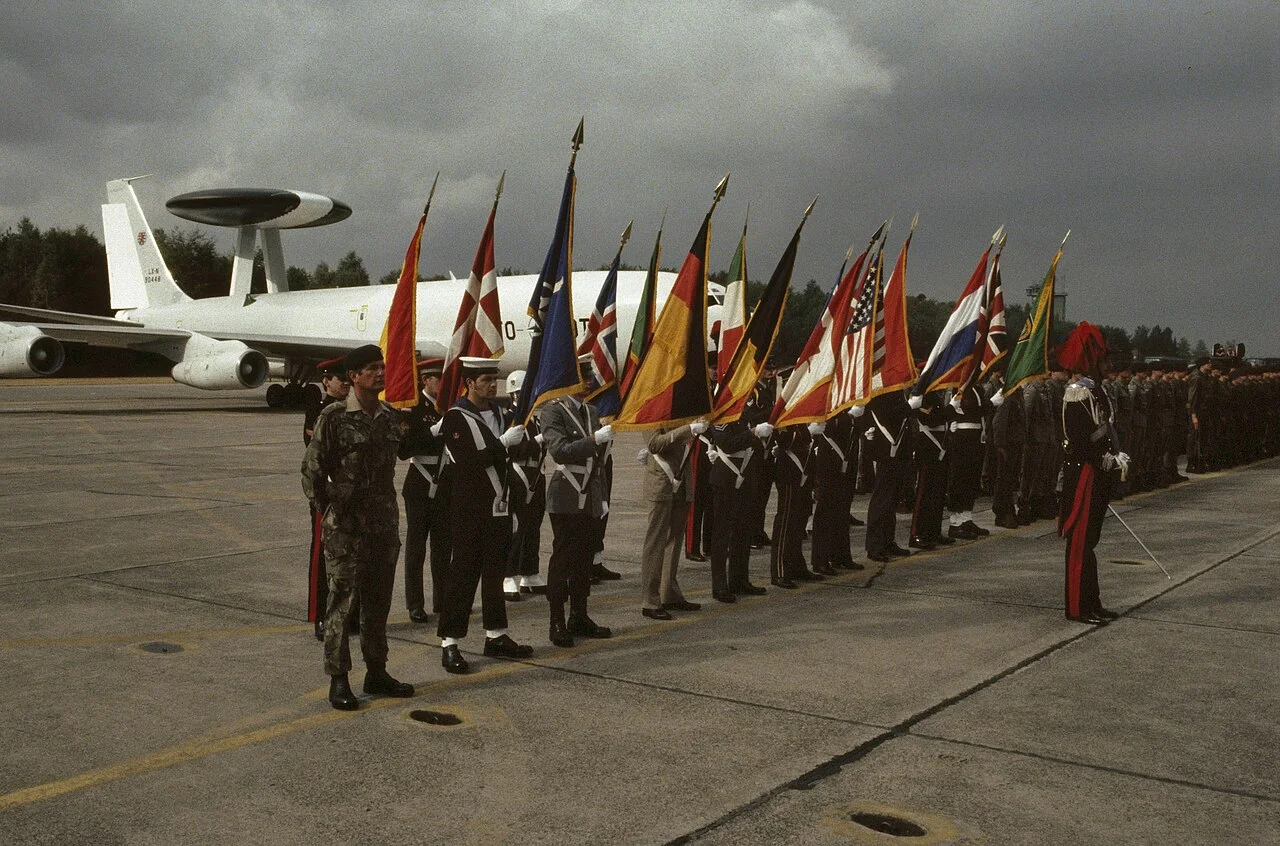
Able Archer was NATO's annual command post exercise for practicing nuclear release procedures, and Soviet intelligence monitored it every year.
In 1983 it ran differently. A British intelligence summary from March 1984, quoted in the State Department history's editorial note, said NATO had substantially changed the procedures and message formats for moving from conventional to nuclear war. It stressed messages from headquarters to subordinate units. And instead of sitting at General Alert from the start, as in past years, NATO forces notionally climbed through a series of alert phases to reach it. The same summary noted that Able Archer 83 "remained entirely a Command Post Exercise, as in previous years." The advisory board judged that these "special wrinkles" probably fueled Soviet anxieties.
What Soviet forces did that week
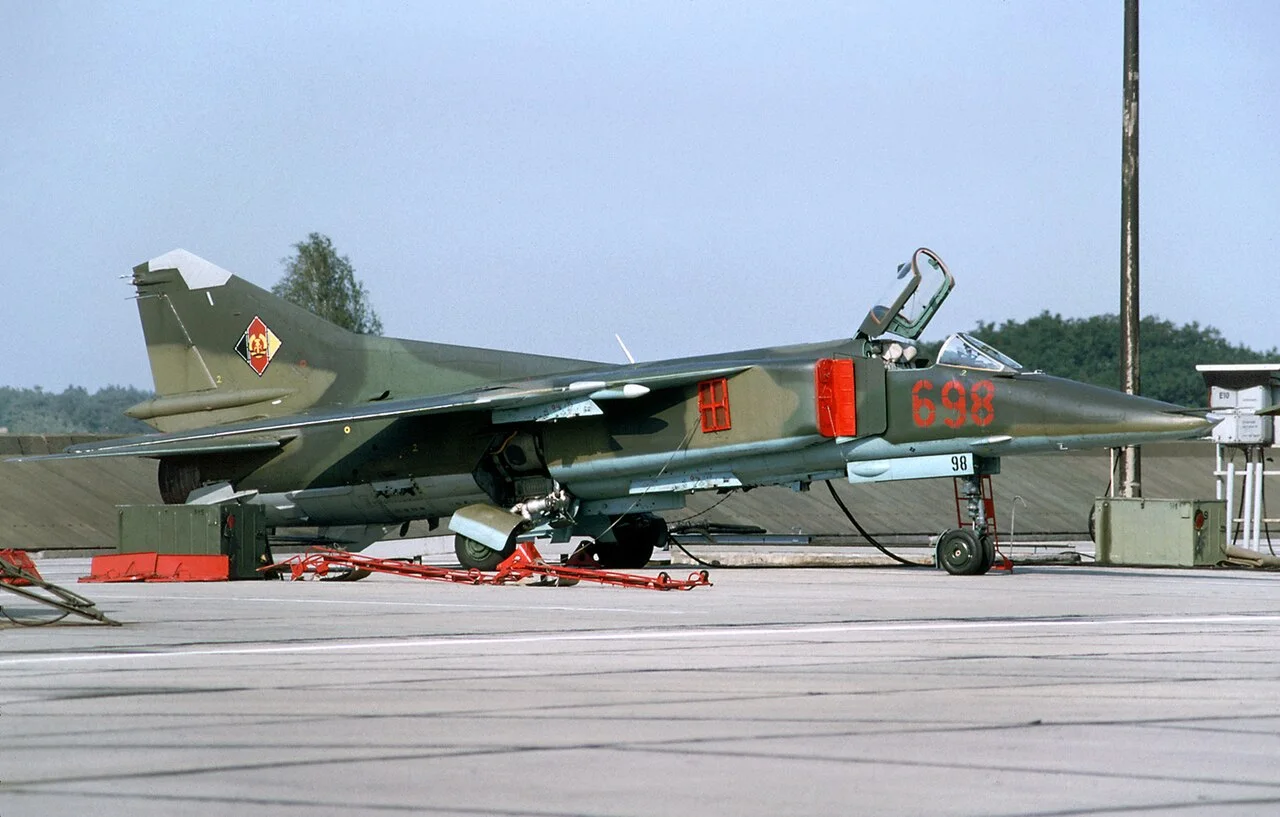
Parts of the board's long list of Soviet reactions are still censored. What has been released includes:
- Air armies in East Germany and Poland placed on alert.
- Nuclear weapons moved by helicopter from storage sites to the units that would deliver them.
- A halt to all flight operations from Nov. 4 to 10, except intelligence flights, which the board read as an effort to keep as many aircraft as possible ready for combat.
- Units kept ready around the clock to act within 30 minutes, with priority targets assigned.
- Similar steps by about a third of Soviet Air Force units (the rest of that sentence is redacted).
- More than 36 intelligence flights, many more than in earlier Able Archers, over the Norwegian, North, Baltic and Barents seas.
On Nov. 8 or 9, Moscow sent a cable to its KGB stations in Western Europe. It ordered them to report on the alert status of U.S. bases and to look for signs of an imminent nuclear attack on the Soviet Union. An officer from another Warsaw Pact service later said he had been "particularly occupied trying to obtain information on a major NATO exercise," because of a year-old order from Moscow "to look for any indication that the United States was about to launch a preemptive nuclear strike."
By Nov. 11, the alert had been withdrawn. That day, Defense Minister Dmitry Ustinov told senior officers in Moscow that "no enemy intrigues will catch us unawares."
Even the board could not say how close Moscow came to acting. "There is little doubt in our minds that the Soviets were genuinely worried by Able Archer," it wrote, but "the depth of that concern is difficult to gauge." U.S. intelligence saw no large-scale Warsaw Pact mobilization. The board questioned whether the U.S. would have spotted one.
The officer who held back
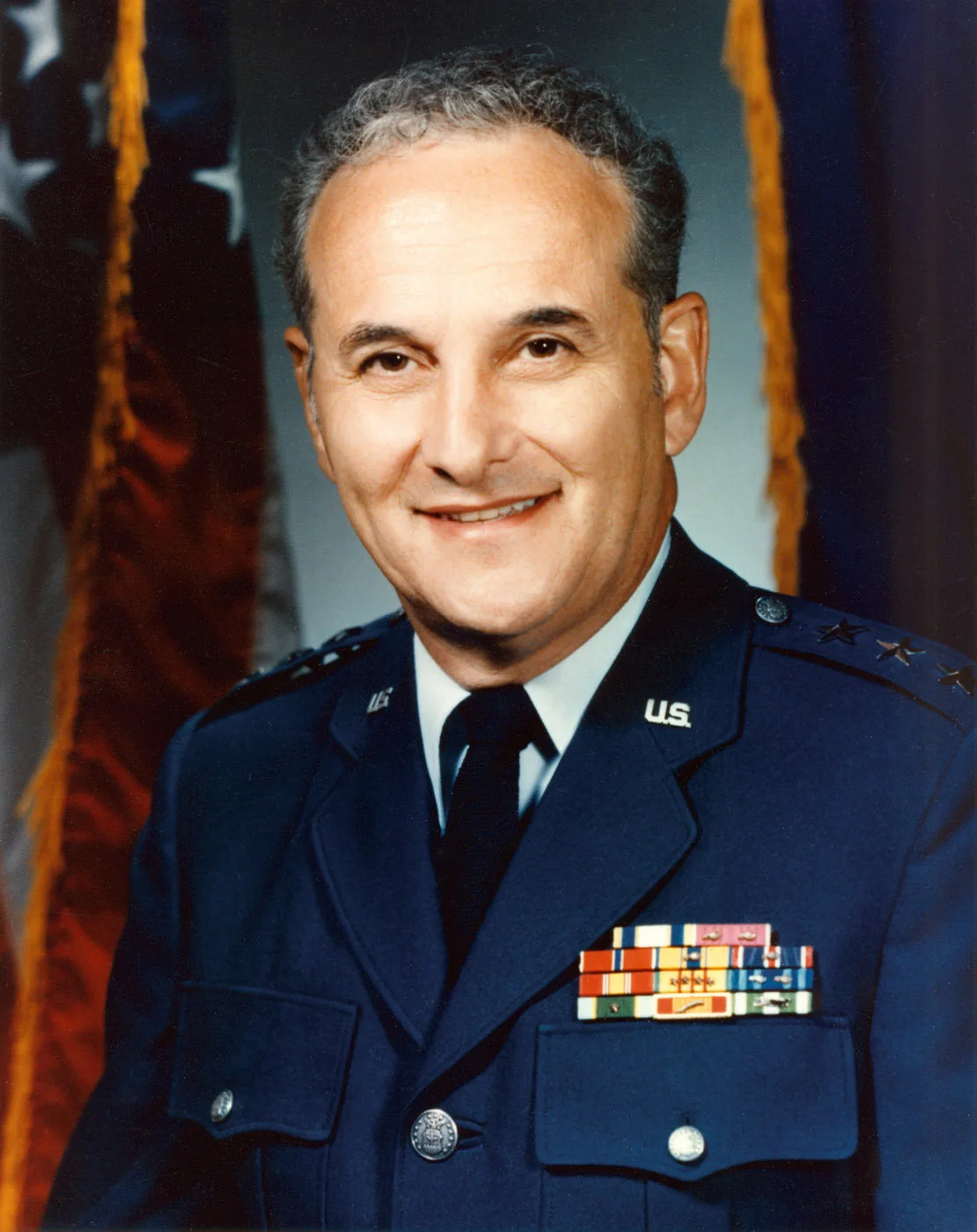
During the exercise, Leonard Perroots was assistant chief of staff for intelligence at U.S. Air Forces in Europe. When the higher Soviet air alert was detected, he recommended against raising U.S. readiness in response.
The board said the recommendation was "made in ignorance" and called it "a fortuitous, if ill-informed, decision." The officers running the exercise, it wrote, "acted correctly out of instinct, not informed guidance," because they had received no guidance about what apparent changes in Soviet thinking might mean.
Washington did not see the whole Soviet picture until well after the exercise. The extent of the alert, the board found, was not known until two weeks after it ended.
Perroots later ran the Defense Intelligence Agency as a lieutenant general. In January 1989, just before retiring, he sent the CIA director and the advisory board, among others, what the board called his "parting shot before retirement," a letter complaining that the war scare had been inadequately treated.
What Washington believed
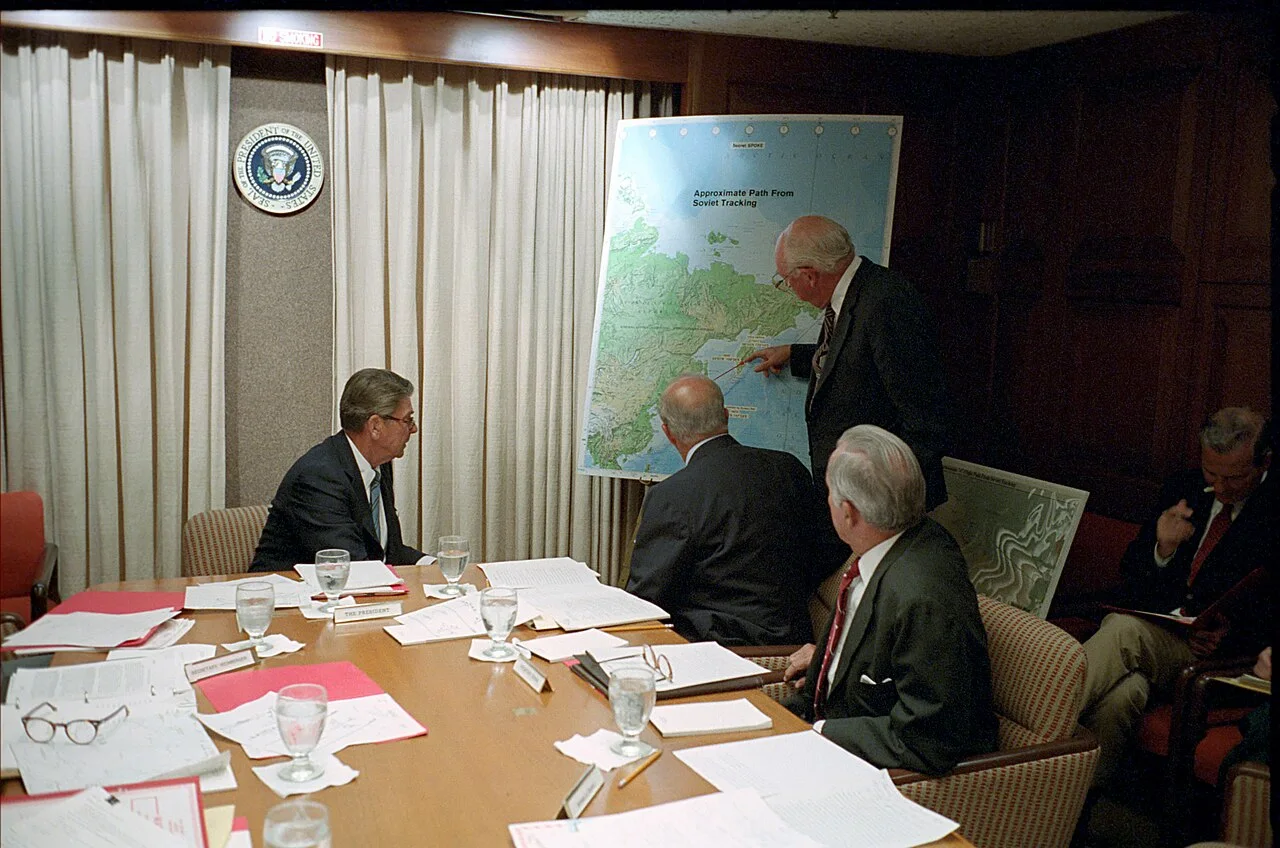
Some officials worried early. On March 29, 1984, Herbert Meyer, vice chairman of the National Intelligence Council, warned CIA Director William Casey in a memo that a set of U.S. exercises led by Night Train, a worldwide nuclear command post exercise, would start April 3 and include the live firing of a Navy Poseidon missile. "If in fact the Soviets were scared by Able Archer," he wrote, "these upcoming exercises could really frighten them."
The official estimates went the other way. In special estimates issued in May and again in August 1984, the intelligence community said: "We believe strongly that Soviet actions are not inspired by, and Soviet leaders do not perceive, a genuine danger of imminent conflict or confrontation with the United States." The board later said the evidence "did not, and certainly does not now, support such categoric conclusions," and that the president received assessments that "understated the risks."
Ronald Reagan had reached his own view months before those estimates. In his diary entry for Nov. 18, 1983, a week after the exercise ended, he wrote: "I feel the Soviets are so defense minded, so paranoid about being attacked that without being in any way soft on them we ought to tell them no one here has any intention of doing anything like that." The same entry records "a most sobering experience" in the Situation Room, a briefing on the U.S. plan in case of nuclear attack. Former national security adviser Robert McFarlane told the board that when Reagan read a June 1984 warning memo forwarded by Casey, he called the events "really scary."
The spy who explained it
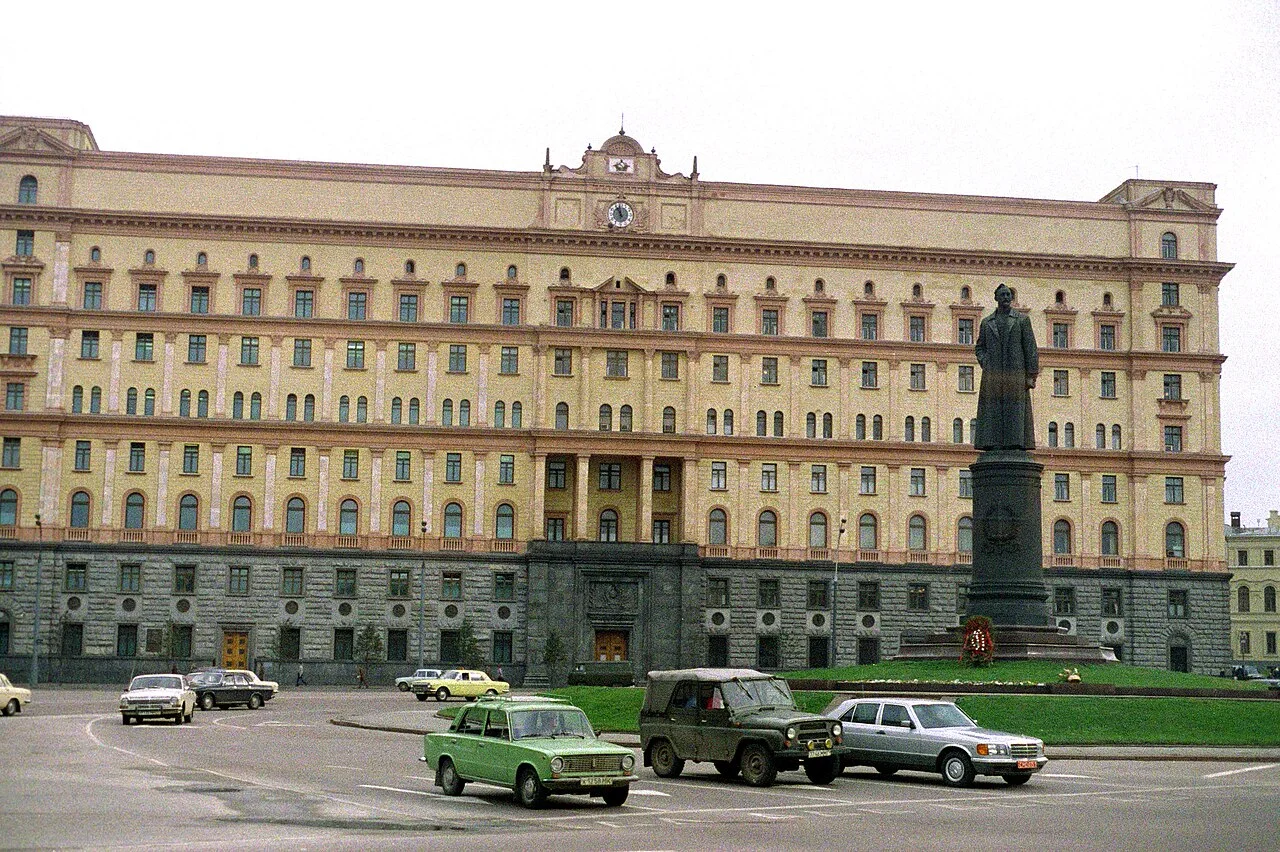
The fullest account of what Moscow had feared came from inside the KGB. Oleg Gordievsky, a KGB colonel who had risen to acting chief of the London station, fell under suspicion in 1985 as a Western agent. He was recalled to Moscow, placed under house arrest and interrogated. The British Secret Intelligence Service got him out of Moscow that July.
The board says his report, titled "KGB Response to Soviet Leadership Concern over US Nuclear Attack," began circulating in restricted form inside the U.S. intelligence community in October 1985.
In a February 1986 interview with U.S. officials, Gordievsky was asked whether RYaN might have been a deception, a way to feed Western intelligence convincing signs of Soviet fear and soften U.S. policy. He said that was very unlikely. Too many senior people believed in it, he said, including KGB foreign intelligence chief Vladimir Kryuchkov: "These people were 100% serious." He also described a deep shelter he had seen being built 50 to 55 miles from Moscow in July 1985, signposted as a garage, with construction troops working 24-hour shifts.
Gordievsky also said the fear behind RYaN was of a surprise attack at some point "perhaps months or years away," rather than an imminent one. His U.S. interviewer noted that careful study had found no unusual Soviet stockpiling, readiness changes or mobilization of the kind a leadership that really expected war would have ordered.
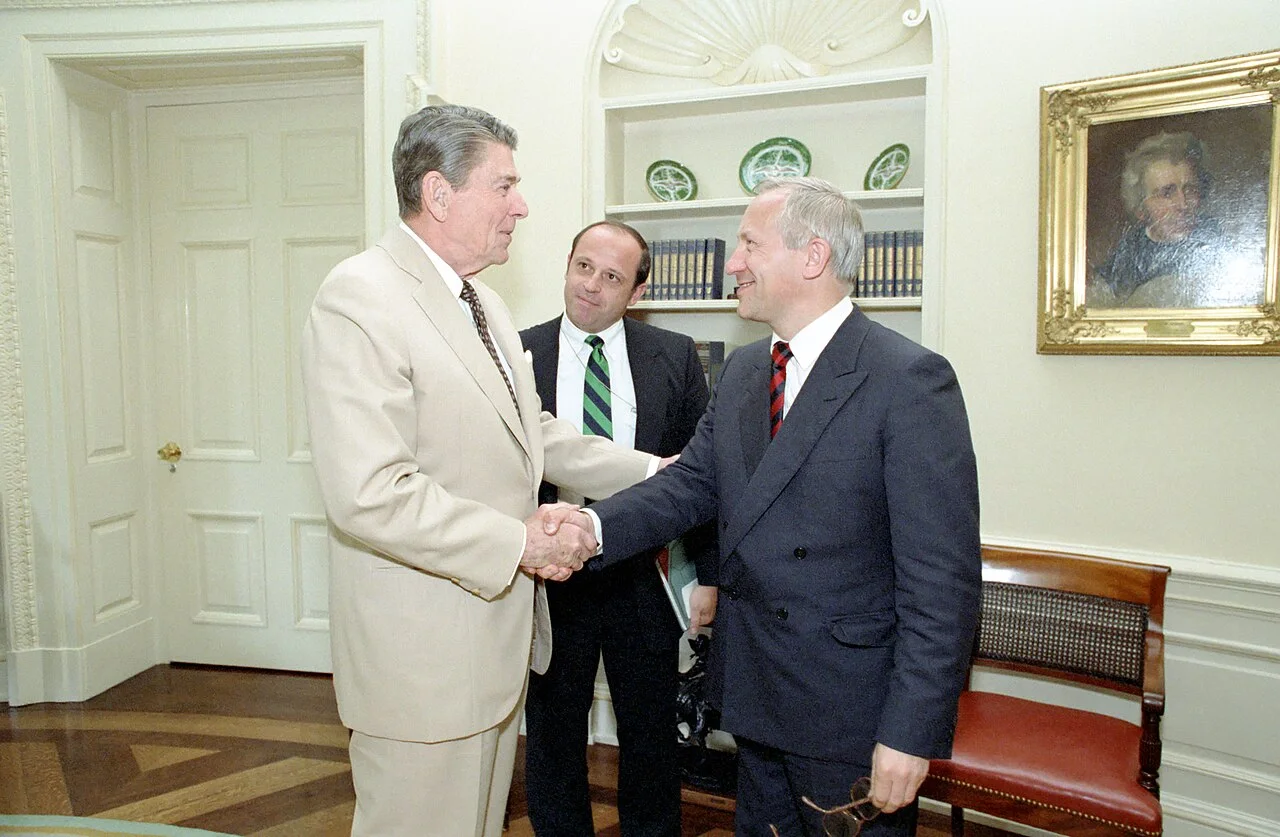
On July 21, 1987, Gordievsky met Reagan in the Oval Office.
What is still hidden

Large parts of the board's report remain redacted, including much of its list of Soviet military moves. The National Security Archive, a nonprofit research group at George Washington University, says it spent 12 years fighting to get the report declassified.
Perroots's own account is harder to find. The State Department published a transcription of his January 1989 "End of Tour Report Addendum" in its official history in February 2021. When the archive asked for the original, the CIA refused, and federal courts upheld that refusal, with the appeals court ruling in 2024. In a November 2025 briefing book, the archive said the State Department later republished the volume without the 15-page appendix that held it, and posted copies of the removed pages. According to the archive's copy, Perroots wrote that U.S. signals intelligence picked up a Soviet 4th Air Army alert that "included preparations for immediate use of nuclear weapons," and he asked what might have happened "if we had begun a precautionary generation of forces."
The board had described that risk in 1990. If Moscow had misread U.S. moves as preparation for a real attack, "through a series of ill-timed coincidences or because of faulty intelligence," it wrote, the situation "could have been extremely dangerous."