The Food and Drug Administration granted accelerated approval to Rybrevant Faspro on November 5 for some adults with head and neck squamous cell carcinoma. It is an option after the cancer has returned or spread and has grown during or after treatment with both platinum-based chemotherapy and a particular type of immunotherapy. The approval is for Rybrevant Faspro by itself.
In the 102-patient study behind the decision, 42% of patients had tumors shrink or disappear. Among those who responded, 56% had a response lasting at least six months, according to the FDA announcement. A separate study will help determine whether the drug provides the clinical benefit the FDA needs to verify for continued approval.
Who the approval covers
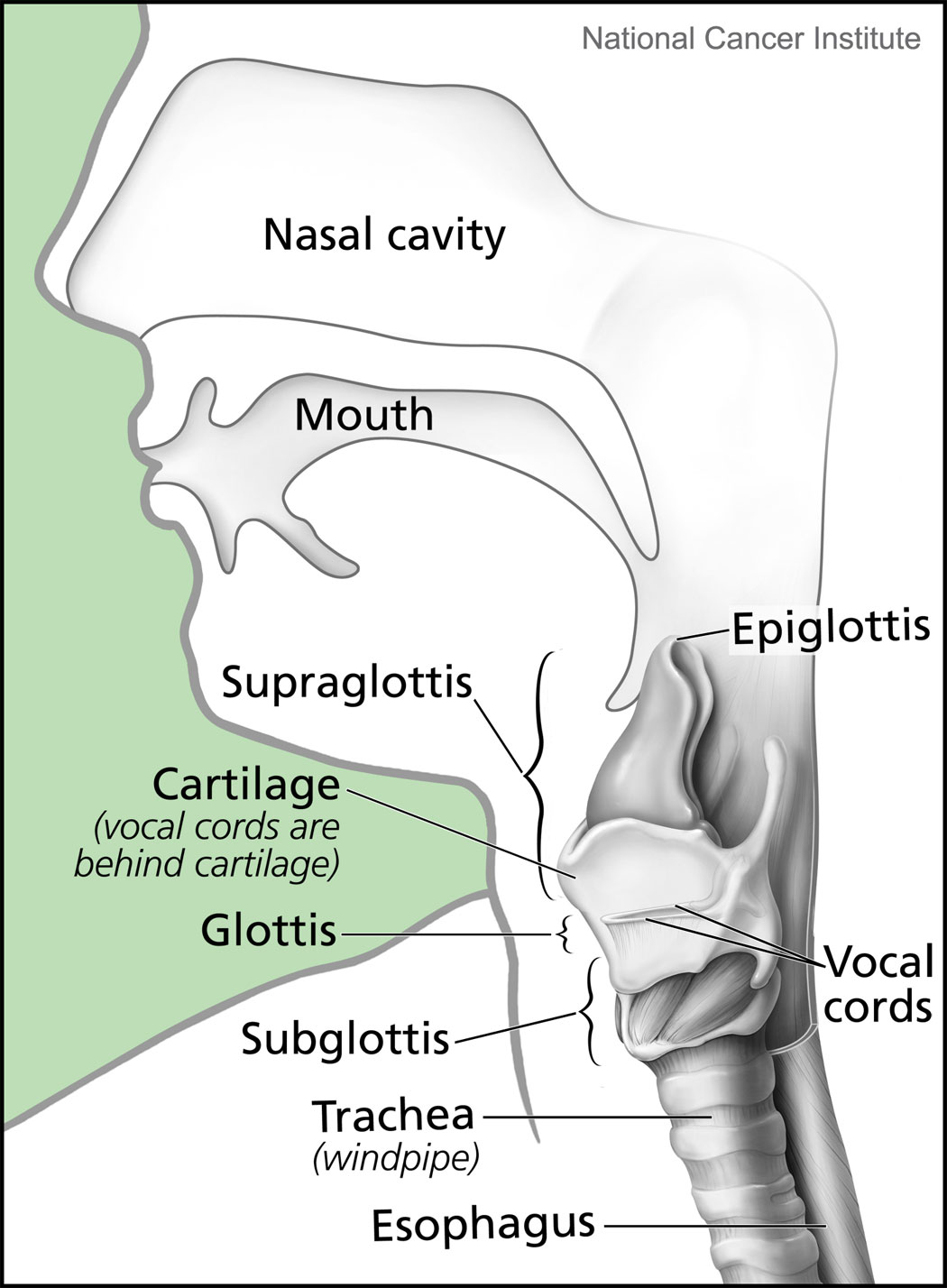
Head and neck squamous cell carcinoma starts in cells that line areas such as the mouth, throat or voice box. The National Cancer Institute explains that a tumor's location affects both how it is classified and how it is treated. Recurrent cancer has come back after treatment. Metastatic cancer has spread to another part of the body.
The treatment history in the approval is specific. The cancer must have progressed on or after platinum-based chemotherapy and an antibody that targets PD-1 or PD-L1. Those antibodies are a type of immunotherapy. The approval also excludes people with squamous cell carcinoma of the oropharynx associated with human papillomavirus, or HPV. The oropharynx includes the tonsils and the base of the tongue. Tumor site, HPV status where relevant and the names of prior drugs are details an oncology team can check against the new indication.
What the 42% response rate measures
The FDA based its decision on one group in an early-stage study called OrigAMI-4. Everyone in that group received Rybrevant Faspro. Independent reviewers assessed whether tumors shrank or disappeared using standard criteria. Johnson & Johnson reported that the 95% confidence interval for the response rate was 32% to 52%, a measure of the uncertainty around the study's estimate.
A response can be complete or partial. A complete response means the reviewers could no longer detect the measured cancer on assessment. A partial response means the cancer shrank by enough to meet the study’s criteria. The 42% figure combines those outcomes. It does not tell an individual patient how long a response would last or whether symptoms such as trouble swallowing would improve.
The six-month figure uses a smaller denominator. It describes the patients whose tumors responded, rather than everyone who received the drug. The FDA said response rates for existing approved therapies in this setting are around 20% or lower. That comparison comes from separate evidence. OrigAMI-4 did not randomly assign patients in this group to Rybrevant Faspro or another treatment, so the study cannot tell patients how much longer they might live on one treatment versus another.
How the drug is given and what comes next

Rybrevant Faspro is injected under the skin. Its active antibody, amivantamab, targets two proteins called EGFR and MET. The formulation also contains hyaluronidase. The FDA lists warnings for allergic and administration-related reactions, inflammation in the lungs, skin reactions, eye problems and harm to a fetus. Patients weighing the option can ask their oncology team how often clinic visits would be needed, how the team would watch for side effects and whom to call if symptoms develop between visits.
Accelerated approval allows the FDA to authorize a treatment for a serious condition based on a measure that is expected to predict benefit, while requiring more evidence. Here, the FDA relied on how many tumors responded and how long those responses lasted. The confirmatory OrigAMI-5 study examines the injection alongside carboplatin and pembrolizumab as an initial treatment for recurrent or metastatic disease. That is a different treatment setting and regimen from the single-drug use the FDA approved on November 5.