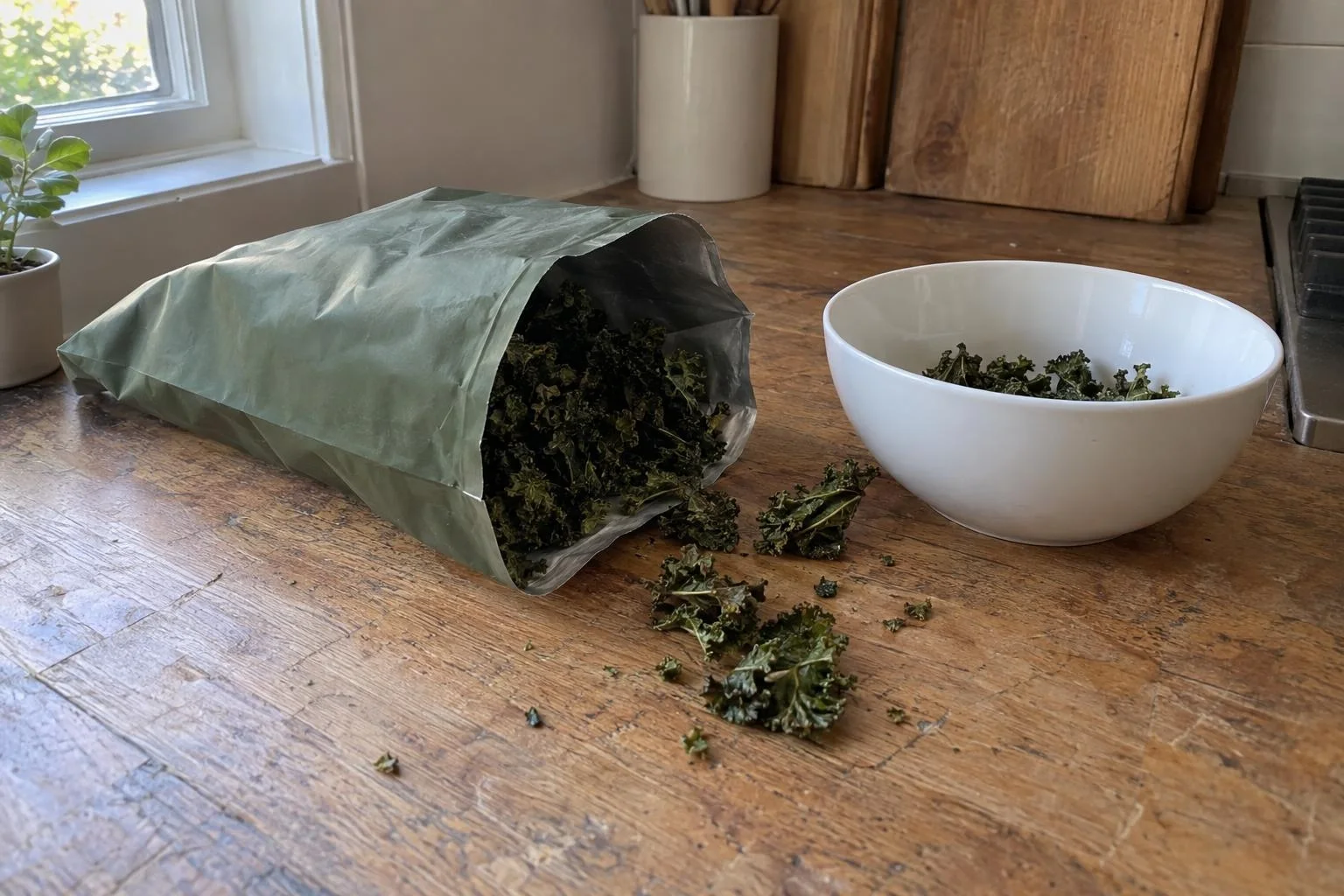
Bags of kale chips that left the factory a year ago are being recalled because they may contain thallium, a metal the kale pulled out of the soil and the drying process concentrated. The Best By dates on the recalled bags run as far as February 2027, so some of them are still sitting in pantries.
Snack Right Super Foods, Inc., which does business as Brad's Raw Chips and is based in Coral Gables, Florida, announced the recall on November 2. The Food and Drug Administration posted it the next day. About 25,000 bags, roughly 2,097 cases, are estimated to still be in commerce.
What is being recalled
Everything on the list is sold under the Brad's Plant Based brand, and only certain production lots are affected, so the flavor on the front of the bag will not tell you whether yours is one of them. Check the lot number and the Best By date. The FDA posted photographs of the recalled bags with the notice.
| Product | Size | UPC | Lots | Best By |
|---|---|---|---|---|
| Crunchy Kale, Original | 2 oz | 813104021679 | 33525-1, 33525-2, 33525-3 | February 1, 2027 |
| Crunchy Kale, Original | 2 oz | 813104021679 | 34525-1 | February 11, 2027 |
| Crunchy Kale, Original | 2 oz | 813104021679 | 35125-2 | February 17, 2027 |
| Crunchy Kale, Cheeze It Up | 2 oz | 813104021877 | 35025-3 | February 16, 2027 |
| Crunchy Kale, Radical Ranch | 2 oz | 813104020726 | 29425-1 | December 21, 2026 |
| Veggie Chips Kale | 3 oz | 854615002054 | 33225-3 | January 28, 2027 |
| Veggie Chips Kale | 3 oz | 854615002054 | 33325-2 | January 29, 2027 |
| Veggie Chips Kale | 3 oz | 854615002054 | 33425-1 | January 30, 2027 |
| Veggie Chips Kale | 3 oz | 854615002054 | 33525-1 | February 1, 2027 |
The bags went out nationwide through the distributors KeHE and United Natural Foods, plus five direct sales to individuals. Distribution ran from October to December 2025, which is why the recall reaches a long way back through the supply chain while the dates on the bags still look current.
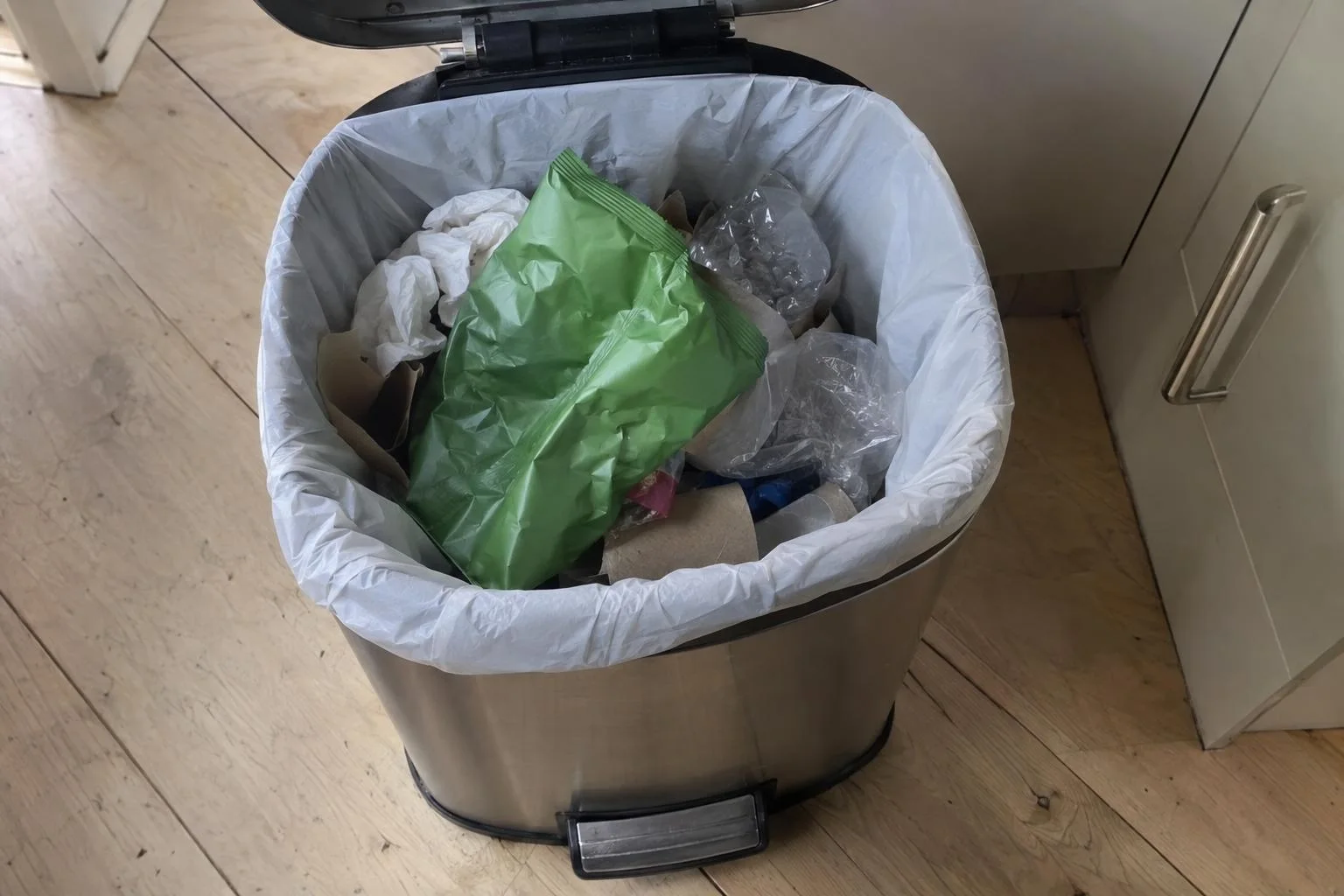
The company says to stop eating the product and throw it away. There are no refunds. It also asks customers to keep the bags out of the store rather than returning them.
Why kale, and why now
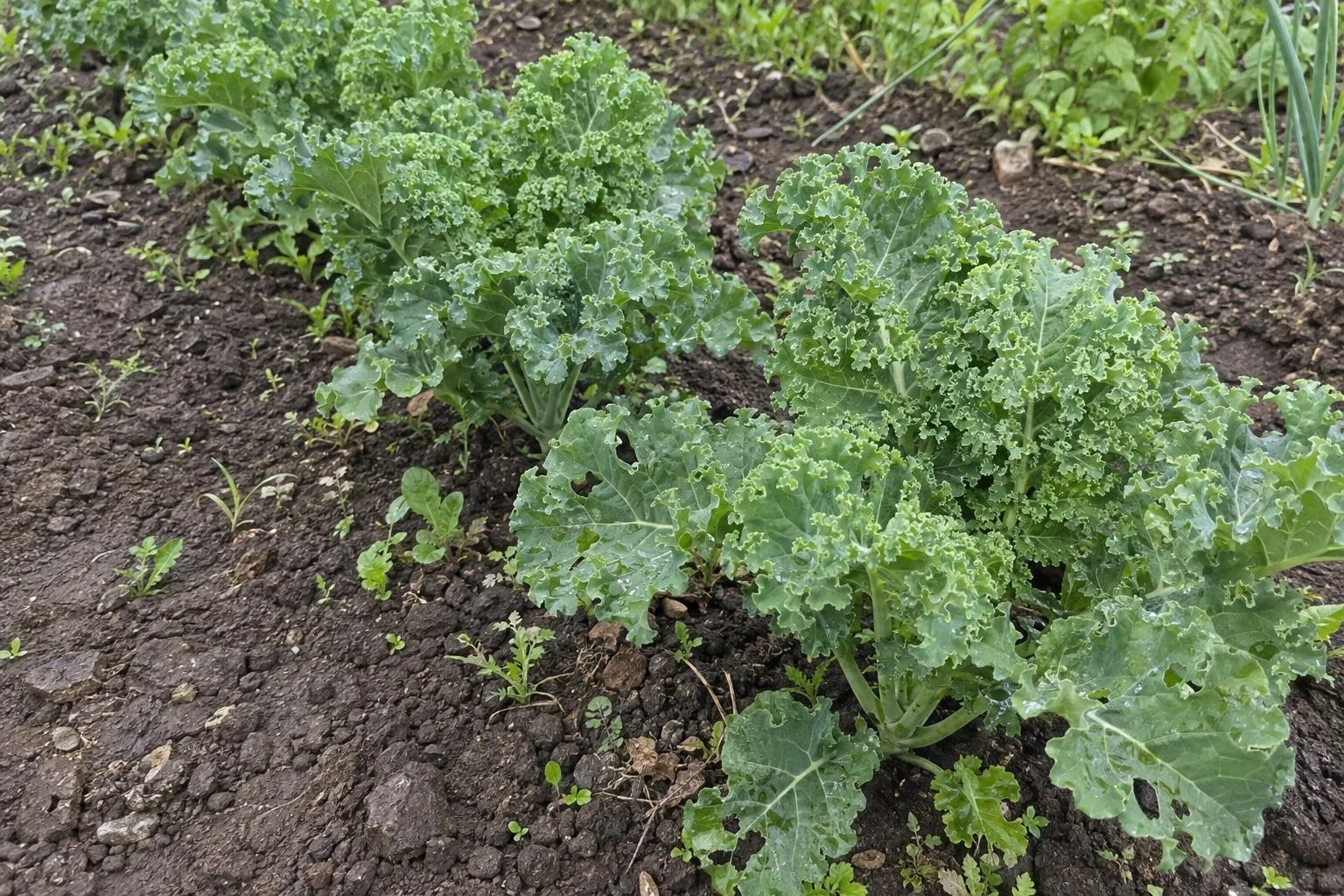
Thallium is in the ground. It occurs naturally in the earth's crust, usually bound up with elements such as sulfur or chlorine, and plants draw it in from the soil they grow in. Kale belongs to the brassica family, which also includes cabbage and radish, and those crops are known to pull elements out of soil more readily than most.
Drying is the step that turns a trace into a problem. Dehydrating the chips removes roughly 85 to 90 percent of the water in the kale. That concentrates whatever the leaf already held. Nothing in the manufacturing process added thallium, the company's announcement says, which means the metal was already present in the fresh kale that went into the dehydrator.
In May 2026 the California Department of Public Health looked into an inquiry from an individual with elevated thallium levels, then told consumers to avoid certain Brad's Plant Based products. State investigators collected samples from retail stores around Sacramento and sent them for laboratory testing, which found elevated thallium in several varieties. The recall itself came months later, after the FDA told the company thallium had turned up in tested product.
What thallium does
The recall notice names gastroenteritis, damage to peripheral nerves, and alopecia, meaning hair loss.
The Agency for Toxic Substances and Disease Registry, the federal health agency that writes the reference profiles on toxic metals, describes the same pattern in people who have been poisoned with thallium: hair loss, numbness and pain in the hands and feet, stomach and bowel trouble that runs from nausea to diarrhea, and heart problems.
Thallium can be measured in urine and in hair, and in blood as well, though the agency's thallium summary warns that a blood level reflects only very recent exposure and is not a reliable way to track it. An elevated level in urine or hair does not predict whether a person will have health problems either. Its advice to anyone who thinks they were exposed is to call a doctor or a poison control center instead of reading a lab number alone.
Eating fruits and vegetables grown in soil that contains thallium is how most people encounter the metal at all. The same agency document says the levels normally found in the environment sit below those known to cause adverse health effects.
Questions about a bag you already have
The company has one named contact for consumers: Alexa Olvera, by email at [email protected], Monday through Friday from 10 a.m. to 4 p.m. Eastern. The announcement says to expect an answer within one business day. Anyone with symptoms after eating the product should talk to their own health care provider.