Florida has recorded 485 cases of dengue that people caught inside the state this year, and 60 of them were added in a single week. The Florida Department of Health's weekly arbovirus report for Oct. 18 to 24 puts the locally acquired cases in 12 counties, with nearly 8 in 10 in Hillsborough County. The same report counts 355 more cases this year in people who caught dengue while traveling abroad.
Dengue spreads mainly through mosquito bites, and most of this year's local cases are in the Tampa Bay area.
Where the local cases are
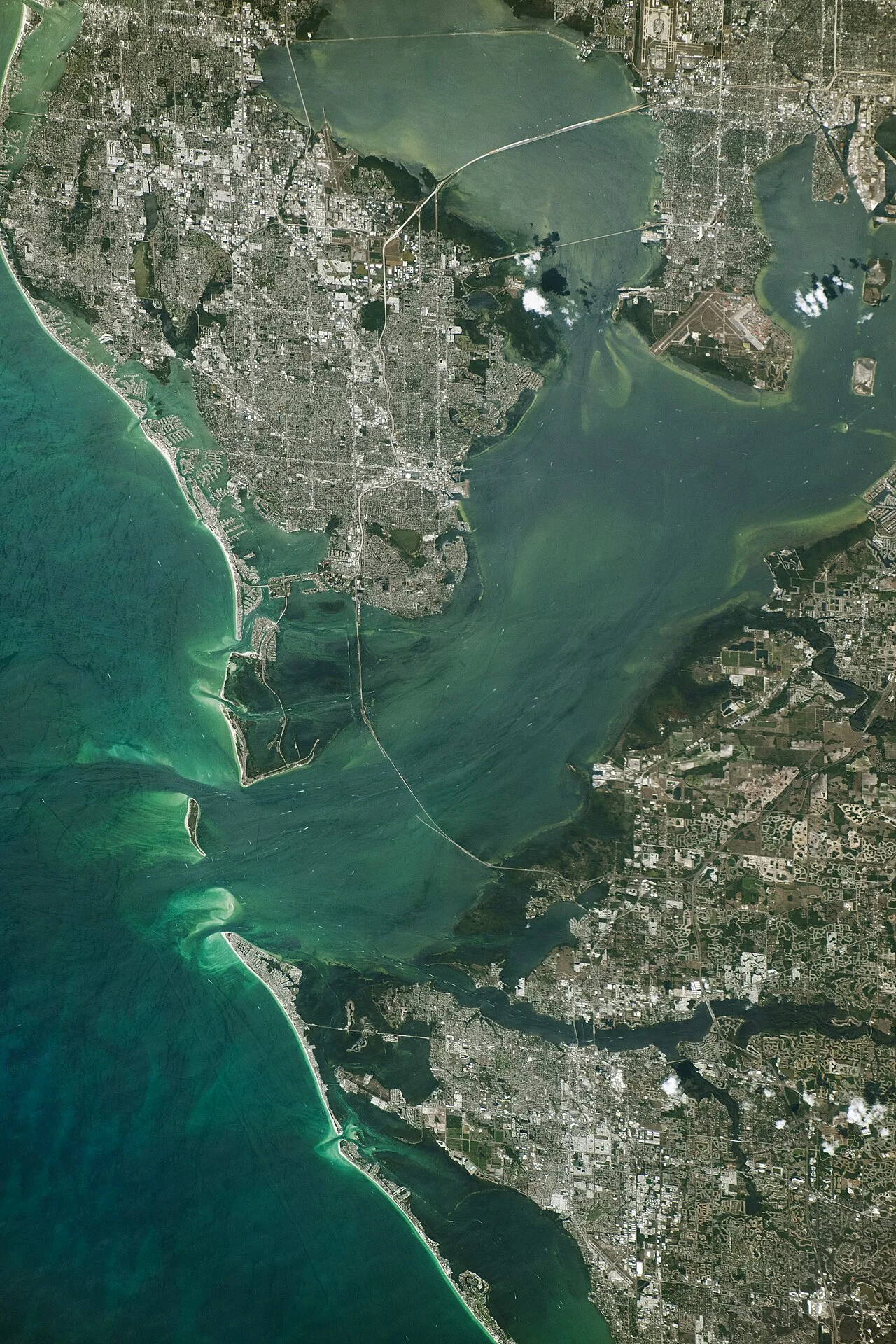
Hillsborough and Pinellas counties, on opposite sides of Tampa Bay, account for 452 of the 485 locally acquired cases. The rest are scattered across Central and South Florida.
| County | Locally acquired cases in 2026 |
|---|---|
| Hillsborough | 385 |
| Pinellas | 67 |
| Miami-Dade | 9 |
| Orange | 9 |
| Pasco | 4 |
| Citrus | 3 |
| Manatee | 2 |
| Seminole | 2 |
| Brevard, Broward, Palm Beach, Polk | 1 each |
By month of first symptoms, 21 cases began in July, 161 in August, 254 in September and 49 in October, a count that covers only part of the month. Almost all cases the state has typed are DENV-2, one of four dengue viruses. The report also lists 20 mosquito pools that tested positive.
Hillsborough County is under a state of local emergency, which lasts seven days at a time unless renewed. County Administrator Bonnie Wise extended it again on Oct. 29, through Nov. 5, and the county says its crews are treating more neighborhoods by air and ground because mosquito testing in many areas shows dengue virus. Residents can sign up for alerts about aerial treatments near them.
Which counties are on alert
As of Oct. 24, the state had nine counties under a mosquito-borne illness alert, its higher level: Alachua, Citrus, Duval, Hillsborough, Miami-Dade, Orange, Pasco, Pinellas and Seminole. Eleven more were under an advisory: Bay, Brevard, Broward, Holmes, Leon, Manatee, Martin, Palm Beach, Polk, Sarasota and Walton. The lists cover every mosquito-borne illness the report tracks, including West Nile virus.
Symptoms, and when to go to the ER
The CDC says only about 1 in 4 infected people get sick. The usual symptom is fever with aches behind the eyes or in the muscles, joints or bones, nausea, vomiting or a rash. Florida's health department says symptoms start 3 to 14 days after the bite and are easy to mistake for the flu.
Roughly 1 in 20 of those who fall ill develop severe dengue, which can cause shock and internal bleeding. Its warning signs usually start 24 to 48 hours after the fever goes away. The CDC says to go to a clinic or emergency room right away for any of these:
- belly pain or tenderness
- vomiting at least three times in 24 hours
- bleeding from the nose or gums
- vomiting blood, or blood in the stool
- feeling extremely tired or restless
If you get sick
There is no specific medicine for dengue. The CDC's care advice is to see a provider, rest, drink plenty of fluids and use acetaminophen for fever and pain. It says not to take aspirin or ibuprofen. Only a blood test can confirm dengue, so mention any recent travel.
Stay away from mosquitoes while you are sick. For about a week after symptoms start, the virus circulates in your blood, and a mosquito that bites you can pass it to the next person.
How to avoid bites
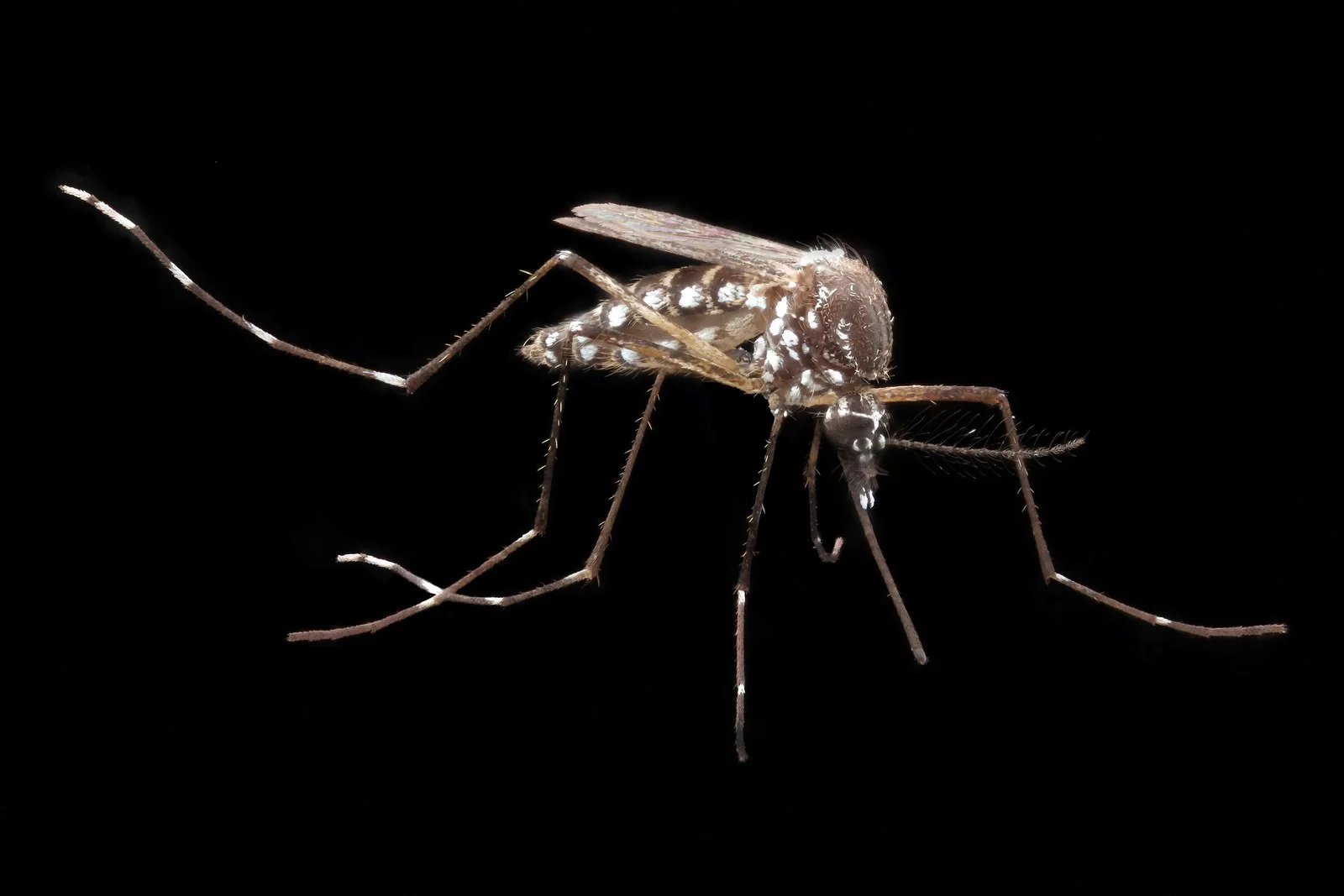
No dengue vaccine is available in the United States. Dengvaxia, approved in 2021 for some children who had already had dengue, went out of production when Sanofi stopped making it in 2024. Avoiding bites is the main protection. The mosquitoes that carry dengue, mainly Aedes aegypti, bite during the day as well as at night.
- Use an EPA-registered insect repellent.
- Wear loose, long-sleeved shirts and long pants.
- Stay in places with window and door screens or air conditioning.
- Look for standing water on your property and get rid of it, as Hillsborough County is urging residents to do after the recent heavy rains.
If you are visiting Florida
The risk is concentrated in the Tampa Bay area, but visitors to the counties on alert should pack repellent and follow the same steps. The CDC also advises anyone returning from an area with dengue to keep avoiding bites for three weeks, even without symptoms, and to watch for fever for two weeks after the trip.
The state publishes these counts weekly. We will update this guide when the report for Oct. 25 to 31 is posted.