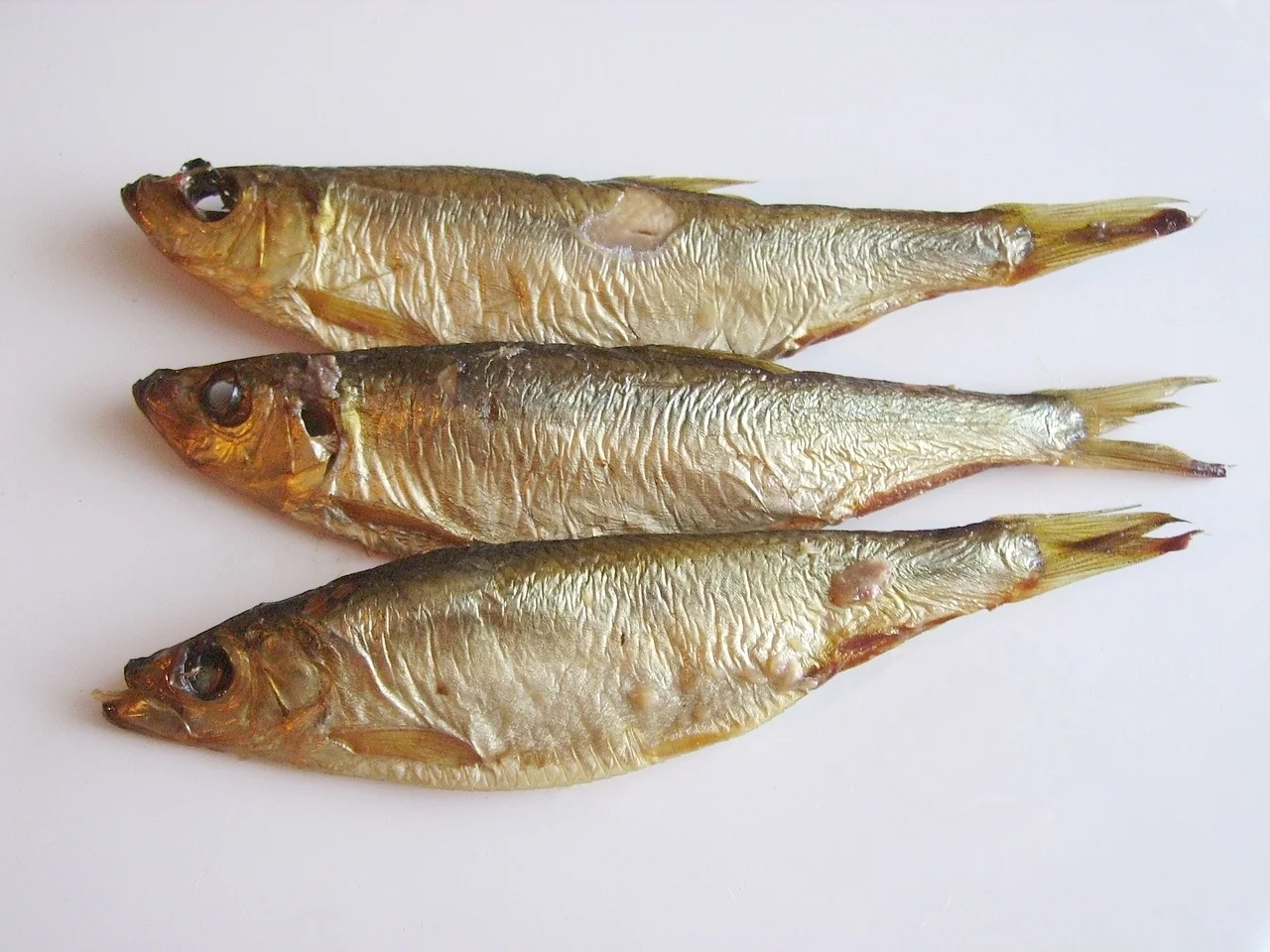
Haifa Smoked Fish has recalled all lots of its cold-smoked sprats and is offering refunds, four days after the FDA warned people not to eat them because of a possible botulism risk.
The Queens, New York, company’s October 27 recall notice covers approximately 560 pounds. The company said no illnesses had been reported. It is asking purchasers to return the fish to the place of purchase for a full refund; questions can go to 718-523-8899.
Check seafood-counter and freezer purchases
The fish was shipped refrigerated and packed loose in bulk cardboard boxes labeled Cold Smoked Sprats. The recall identifies retail distribution in New Jersey, New York and Pennsylvania.
The FDA has published photos of the shipping labels to help identify the product. Some fish may have been sold without a label, so the photos cannot rule out an affected purchase.
The FDA’s broader October 23 advisory also identifies Connecticut and warns that distribution could have reached additional states. It covers sales to retailers, restaurants, wholesalers and food-service customers. Some sprats may have reached diners or grocery seafood-counter shoppers without a label.
FDA says the product may be frozen for up to a year, so a freezer purchase also warrants attention. If you cannot tell whether cold-smoked sprats came from Haifa, do not eat them. Contact the seller or supplier to identify them; FDA advises throwing them away if their origin is uncertain.
Do not rely on smell or appearance
FDA inspectors found that the producer lacked required controls to prevent Clostridium botulinum growth and toxin formation. Food containing the toxin can look, taste or smell normal. Retailers and restaurants should not sell or serve the affected fish, and FDA advises carefully cleaning and sanitizing surfaces and containers it touched.
The agency’s earlier advisory said the company had declined a recall at that point. Tuesday’s recall adds a return-and-refund route; it does not establish that the risk began on October 27.
Botulism is a medical emergency. FDA lists symptoms including blurred or double vision, weakness, trouble speaking or swallowing and breathing difficulty. Anyone experiencing these symptoms should seek immediate medical care.