Astronomical fall began in the continental United States on Tuesday, September 22, at 8:05 p.m. Eastern time. On the West Coast, it was 5:05 p.m. Pacific. A calendar giving September 23 could still be referring to the same equinox: in Coordinated Universal Time, the instant fell at 00:05 on September 23.
NASA's September explanation gives that universal time and the Pacific conversion. The U.S. Naval Observatory's seasonal calculation independently records September 22 at 17:05 for Pacific daylight time. Time zones, rather than competing versions of the season, account for the different dates.
A moment in Earth's year
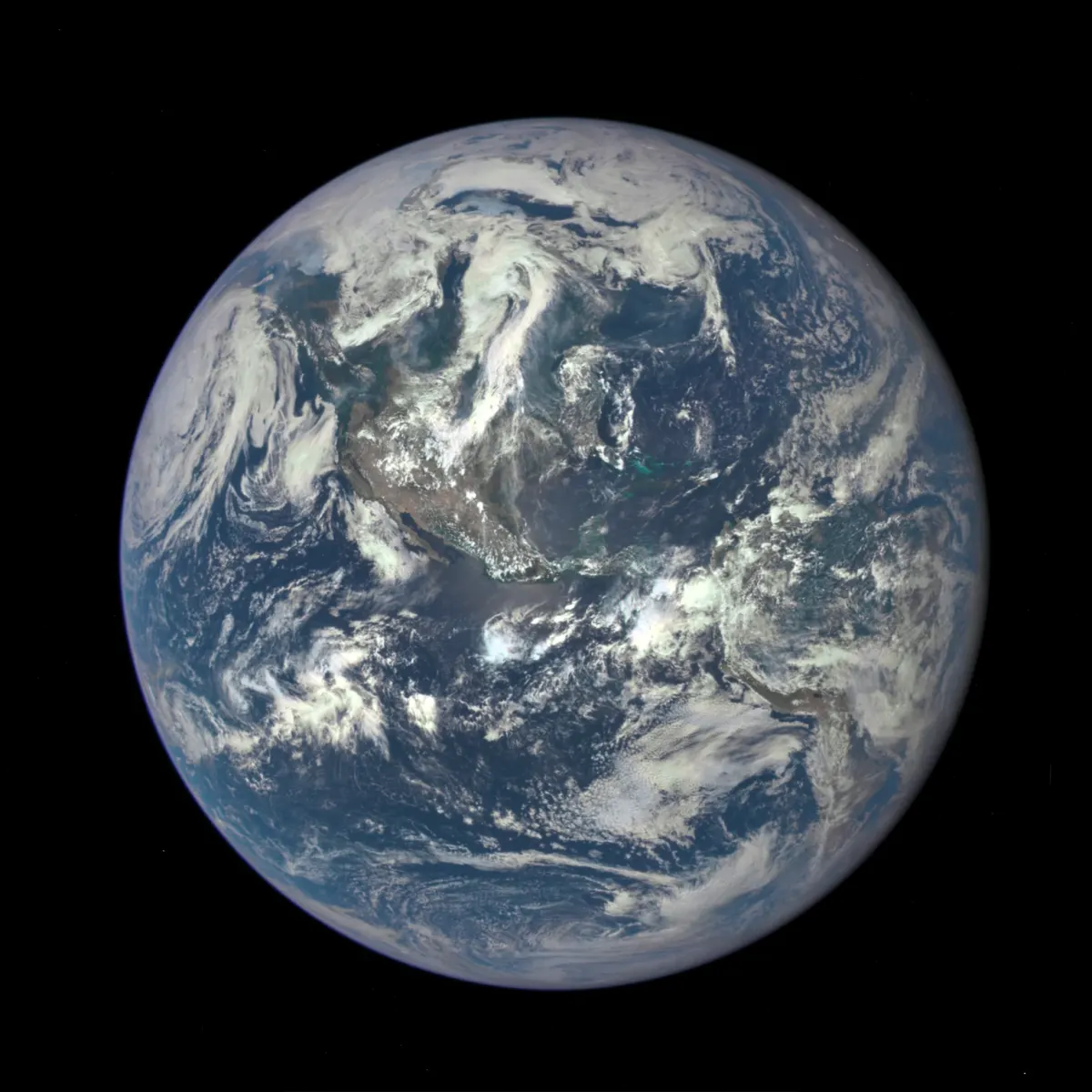
An equinox occurs when the Sun's center crosses the plane of Earth's equator. September's crossing takes it southward. The Northern Hemisphere moves toward shorter daylight, while the Southern Hemisphere enters spring and gains daylight.
The familiar description of equal day and night is approximate. NASA describes them as close to equal, which is the more useful language for someone comparing an equinox headline with a local sunrise-and-sunset listing. The astronomical definition concerns the Sun's position; it is not a promise that every location's daily timetable will divide into two exact twelve-hour portions.
September had more to see
NASA's monthly skywatching guide identified September 18 as Venus's peak brilliance during that evening appearance. It also pointed to the September 26 Harvest Moon near Saturn and Neptune. Saturn was visible without optical equipment; Neptune required binoculars or a telescope and suitable conditions.
Those observing suggestions apply to their listed dates. Later outings need a sky chart for the location and time, with local light and weather conditions affecting visibility.