France, Ukraine and the European Bank for Reconstruction and Development will meet with donors in Paris on Monday, Nov. 9, to raise money to repair the steel arch over Chornobyl’s destroyed Reactor 4. A drone struck the arch in February 2025, compromising the enclosure that keeps radioactive material isolated and gives workers a protected space to dismantle the remains of the reactor.
The bank estimates the repairs will cost at least €500 million. Several Group of Seven governments have announced plans to contribute a combined €260 million, subject to their own approval procedures. That amount covers about 52% of the minimum estimate. The difference is at least €240 million before accounting for any other contributions or a higher repair bill. Monday’s conference is an opportunity for additional governments to say what they will contribute.
What the drone damaged

Two structures stand over the reactor. The first is the shelter workers erected after the 1986 disaster. The second is the much larger New Safe Confinement, an arch that was assembled nearby and slid into place in 2016. The outer structure was designed to isolate the old shelter and provide room for equipment that can take it apart under controlled conditions.
The bank’s account of the project says building the arch away from the reactor reduced workers’ radiation exposure. The structure was formally handed over to Ukraine in 2019. The United States was among the donors to the fund that paid for the original shelter work and construction of the arch.
The February 2025 strike and the fire that followed damaged that outer enclosure. An International Atomic Energy Agency assessment describes the loss of the arch’s confinement function. The plant operator’s account says the structure can no longer maintain its original level of airtightness, although it still provides some isolation. The operator also says the IAEA found the load-bearing structure and monitoring systems intact and reported no radiological release from the strike.
Those findings describe different aspects of the damage. A structure can remain standing while gaps in its enclosure prevent it from working as designed. Restoring the seal matters for work inside the arch because dismantling the old shelter can disturb contaminated material. The repair project has to address the conditions under which that work can eventually proceed.
Where the repair money would go
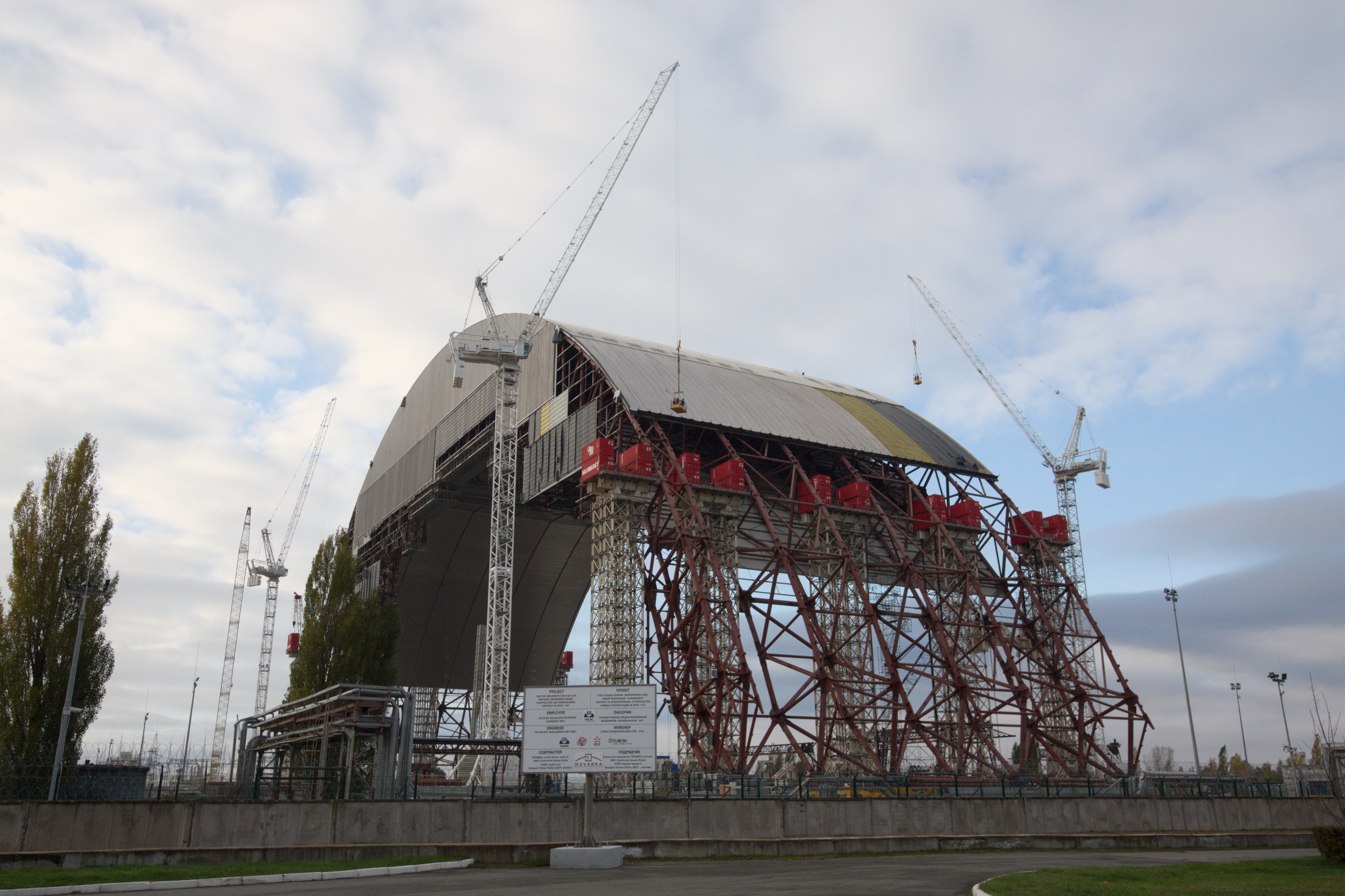
Donors to the account managed by the European Bank for Reconstruction and Development have already backed preparatory engineering and procurement. The bank describes a sequence that begins with consolidating technical data and investigating the damage. Engineers then develop and assess repair options. Detailed engineering and procurement documents come later, along with possible early orders for parts that take a long time to obtain.
That preparatory work can proceed ahead of the full construction program. The bank’s president has said that restoring the structure to full functionality by 2030 could cost at least €500 million. The date is the bank’s planning horizon for the work it assessed. The timeline will depend on what engineers find, how much donors provide and whether crews can carry out the work safely.
What to watch in Paris
The French finance ministry’s announcement lists the donor conference at Bercy in Paris. It runs alongside the G7 foreign ministers’ meeting. The earlier G7 financing statement describes intended contributions, so the useful figures from Paris will be the new pledges, which countries made them and what conditions attach to the money.
Chornobyl is a separate site from the Zaporizhzhia nuclear power plant, where the immediate safety issue has been maintaining electricity for essential equipment. The Paris donor meeting concerns the enclosure over the wrecked Chornobyl reactor and the work needed to restore it.