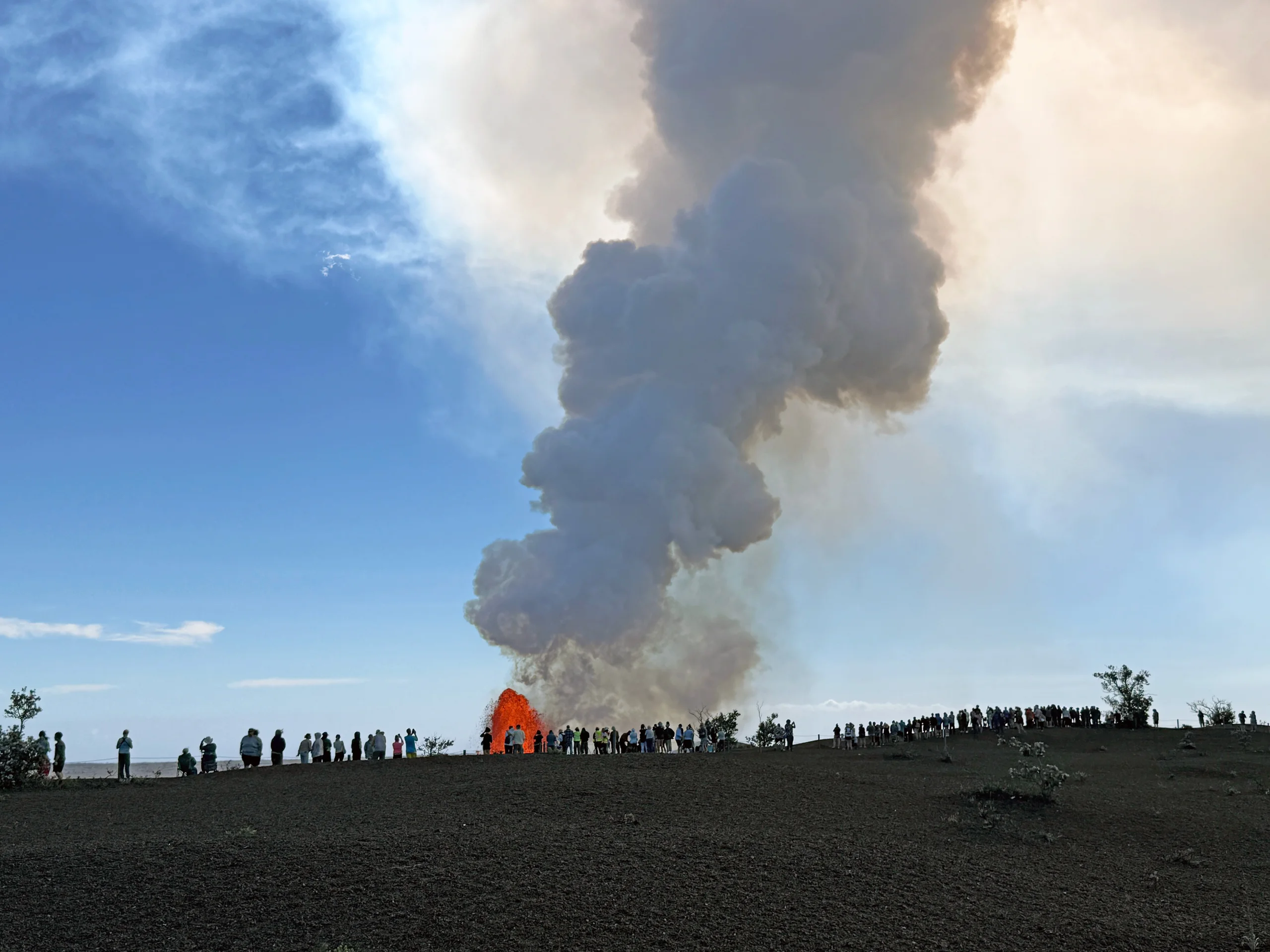
Iowa officials posted detailed precautions on Sunday for people living near the Iowa Army Ammunition Plant in Middletown, where the Army plans to blow up degraded lead azide within days, with separate advice for schools and livestock farmers. The guidance asks people in the plume's path to stay indoors with windows closed for 24 to 48 hours after the blast, and it tells farmers how to keep animals and feed out of the dust and how to check herds for lead poisoning afterward.
The timing is still unsettled. The Army told the federal appeals court late Saturday that it would detonate the material no later than Tuesday, Nov. 24. It plans to rely on emergency provisions rather than the EPA permit the court put on hold, according to a Sunday statement from the groups that sued. Iowa's Department of Health and Human Services said Sunday afternoon that the date and time were still pending an Army announcement. Its fact sheets for local health departments and schools are written for Monday, Nov. 23, and describe two controlled detonations at about noon Central, the schedule the Army set before the court stepped in.
Gov. Kim Reynolds activated the State Emergency Operations Center on Friday, and the state launched a resource page on Sunday that collects the Army's maps and notices along with state guidance.
What households in the plume area should do
The Army will post updated plume maps on its installation notifications page six hours before the detonation and every hour after that until it happens, then a final estimate of the affected area. The state notes that the maps are modeled projections and can change with the weather.
For homes inside the mapped areas, Iowa HHS recommends:
- Stay inside and keep windows and doors shut for 24 to 48 hours after the detonation, unless officials update that advice.
- Set heating and cooling systems to recirculate and limit outside air. Home furnaces can keep running.
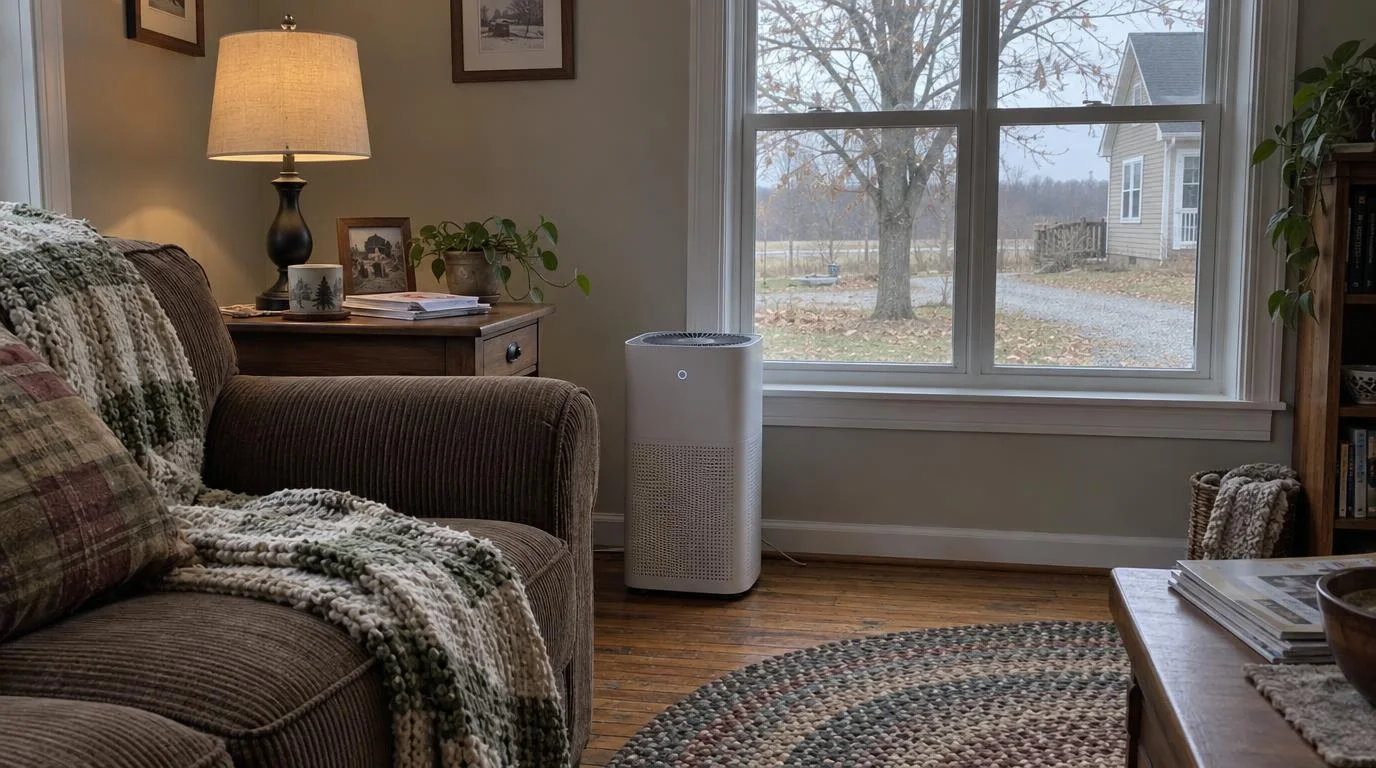
- Run a portable air cleaner with a HEPA filter if you have one.
- Once the Army says the airborne period is over, wipe down outdoor surfaces, toys, play equipment and windowsills with soap and water. Do not dry-sweep, which can stir dust back up.
- If you drive through the area, set the car's air to recirculate. A car wash and a new cabin filter afterward can remove settled dust.
- Wash hands before eating and leave shoes at the door.
Lead exposure often causes no immediate symptoms. The state says a blood lead test is the only recommended way to check, and that children under 6 and pregnant women deserve the most attention. People with concerns should ask their doctor whether testing makes sense.
Schools and child care centers
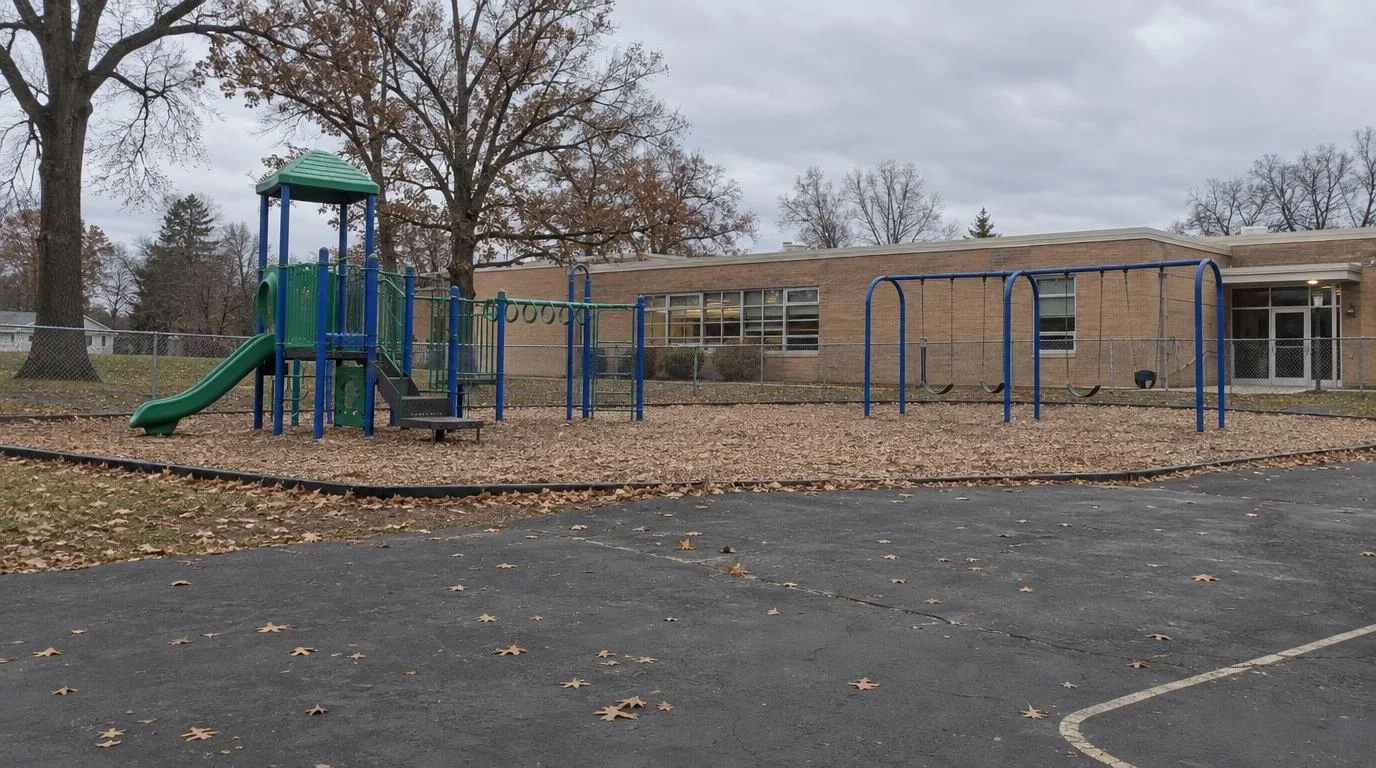
A separate state guidance sheet for schools and child care providers tells them to check the Army's latest maps before deciding how to operate on detonation day. It recommends keeping children indoors during the exposure period and canceling outdoor activities in mapped areas, from recess to field trips. Buses should keep their windows closed. Administrators should review dismissal and pickup plans in case the plume passes during the school day.
After the all-clear, staff should wet-clean playground equipment and other surfaces children touch, and avoid leaf blowers. Children should stay off outdoor play areas until that cleaning is done.
Steps for livestock farmers
The Iowa Department of Agriculture and Land Stewardship suggests farmers near Middletown ask the Army for baseline soil and forage samples before the blast or collect their own. It also recommends asking a veterinarian about testing animals for lead beforehand.
Before the detonation, it recommends moving animals into a barn or machine shed, or off the farm, and closing doors and windows where the herd can tolerate it. Feed, hay and water tanks should go indoors or under tarps. Animals should stay sheltered until the Army gives the all-clear and the plume has passed. The dust can take several hours to settle, according to the Army.
Afterward, the department advises power-washing barns and equipment once the dust settles and watching animals closely with a veterinarian's help. Acute lead poisoning can kill animals suddenly or cause blindness and seizures within hours or days. Signs of chronic exposure include weight loss, anemia, poor performance and reproductive problems.
The state resource page also points dairy farmers to the federal Dairy Indemnity Payment Program, which covers losses when milk is contaminated by chemicals or toxic substances.
How to file a claim
Residents who believe the detonation damaged their property or harmed their livestock can file a claim with the Army. Its community question sheet says claims go on Standard Form 95, with a specific dollar amount and supporting evidence, to the Office of the Staff Judge Advocate, 415 Custer Ave., Fort Leavenworth, KS 66027-2313, phone (913) 684-3564. Claims must be filed within two years.
The Iowa Department of Natural Resources has given the Army access to state land in the potentially affected area for environmental sampling and says its technical team will review all monitoring data independently. Questions about the detonation can go to the Army at usarmy.ria.asc.list.pa@army.mil.
Edit USA reported the court's pause on Nov. 21 and updated that story Sunday with the Army's filing.