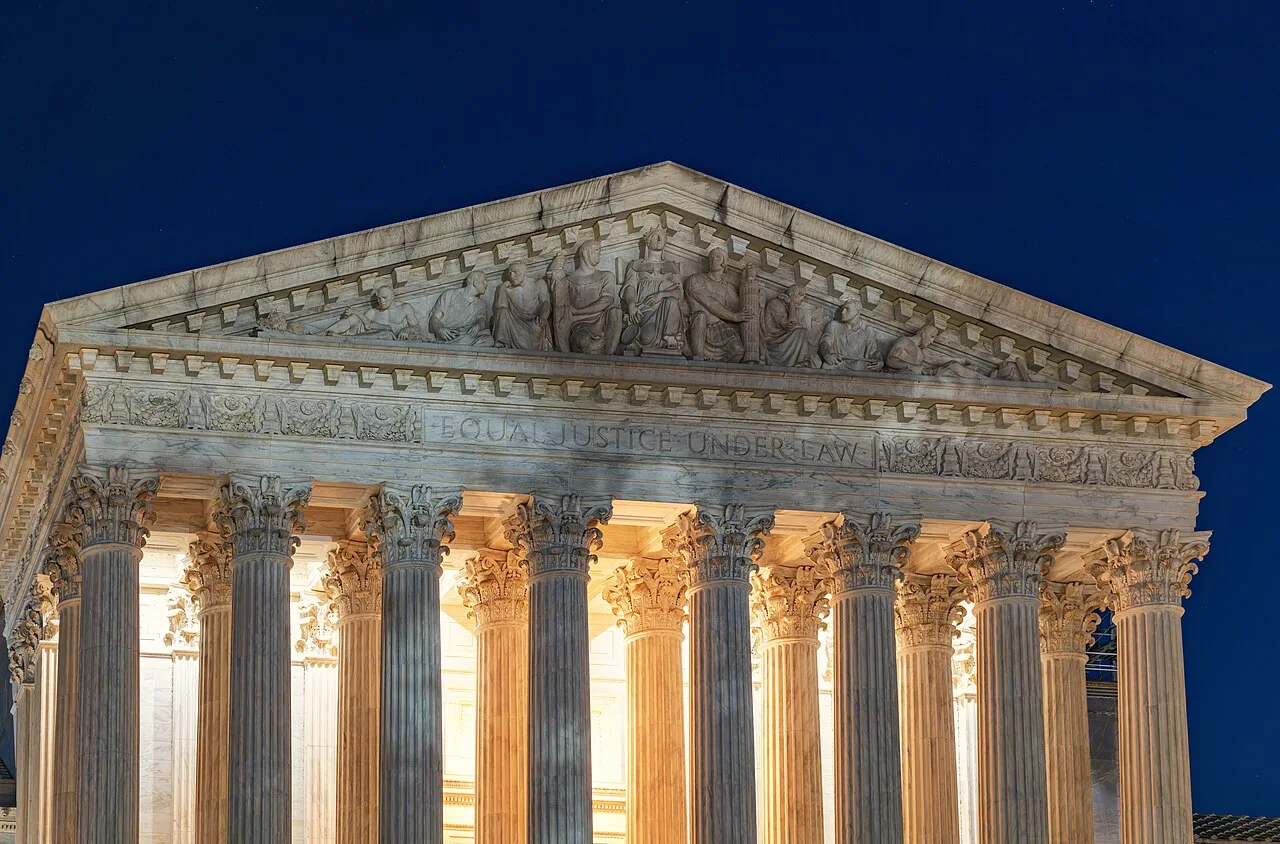
On Wednesday, Dec. 2, the Supreme Court will hear one hour of argument on whether a state or county may ban AR-15-style rifles. The ruling will decide the fate of such bans in 11 states and Washington, D.C. Connecticut's own brief puts the population of those 11 states at 35% of the country.
The justices agreed on June 30 to hear two challenges together, one against Cook County, Illinois and one against Connecticut. The question the Court accepted is "whether the Second and Fourteenth Amendments guarantee the right to possess AR-15 platform and similar semiautomatic rifles."
The two cases before the Court
The Cook County case was filed as Viramontes v. Cook County, and the Court's argument calendar still uses that name. Cutberto Viramontes asked to leave the case in October, and the Court granted his request on Nov. 23, so the docket now lists the other petitioners first, as Khaya v. Cook County. The legal question is the same.
The county's ordinance carries the name of Blair Holt, a Chicago teenager shot dead on a public bus while shielding a friend. It bars making, selling, buying or possessing semiautomatic rifles that accept a detachable large-capacity magazine and have at least one listed feature, such as a folding stock or a pistol grip, and it names specific models, the AR-15 among them. The county last updated the list in 2013.
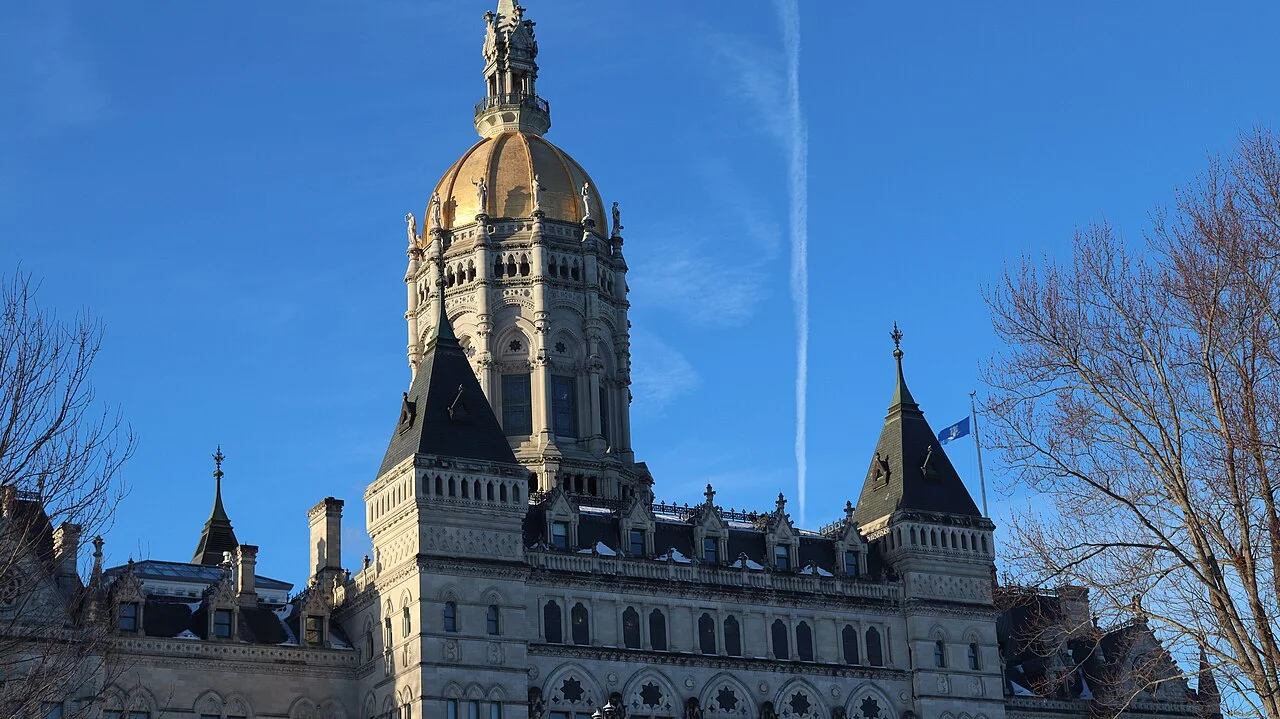
The second case, Grant v. Higgins, challenges Connecticut's law, which the state amended in 2013. Ronnell Higgins is named because he is the state's commissioner of emergency services and public protection, the official who enforces it.
The challengers in the two cases include individual gun owners and three gun-rights groups: the Firearms Policy Coalition, the Second Amendment Foundation and the Connecticut Citizens Defense League. The federal government is on their side. Solicitor General D. John Sauer filed a brief supporting the challengers in September, and on Nov. 9 the Court gave him part of the argument time.
Which state laws are at stake
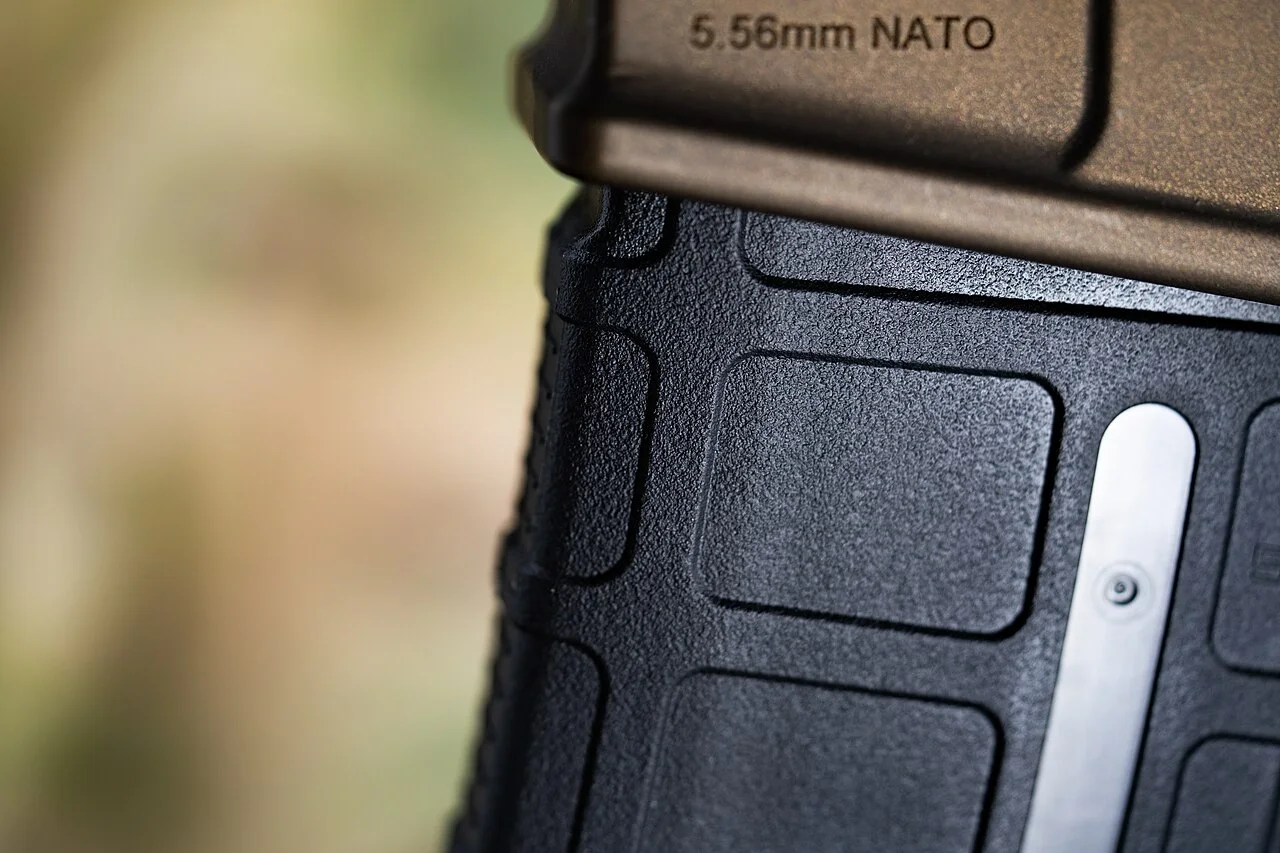
The challengers' brief lists these 11 state laws. The federal government's brief adds Washington, D.C., whose code also bans the rifles.
| State | Law cited in the briefs | Status noted in the briefs |
|---|---|---|
| California | Penal Code §§ 30600, 30605 | No change noted |
| Connecticut | Gen. Stat. §§ 53-202b, 53-202c | Before the Supreme Court |
| Delaware | Code tit. 11, § 1466 | No change noted |
| Illinois | 720 ILCS 5/24-1.9 | Found likely constitutional by the 7th Circuit in 2023 |
| Maryland | Criminal Law § 4-303 | No change noted |
| Massachusetts | Gen. Laws ch. 140, § 131M | No change noted |
| New Jersey | Stat. §§ 2C:39-5(f), 2C:58-5 | Held unconstitutional by the full 3rd Circuit in 2026 |
| New York | Penal Law §§ 265.02(7), 265.10 | No change noted |
| Rhode Island | Gen. Laws § 11-47.2-2 | No change noted |
| Virginia | Code § 18.2-287.4:1(B) | Blocked statewide by a state court order since July 7, 2026 |
| Washington | Rev. Code § 9.41.390 | No change noted |
The laws differ in how they define the banned rifles, whether they bar sales, possession or both, and whether people who owned a rifle before the ban may keep it. A ruling for the challengers would put most of them in doubt at once, while a ruling for Cook County and Connecticut would leave states free to keep their bans or pass new ones.
There is no federal ban today. A 1994 federal law limited the manufacture of new rifles of this kind but did not touch ones people already owned, and it expired in 2004, according to the federal government's brief.
What the lower courts decided
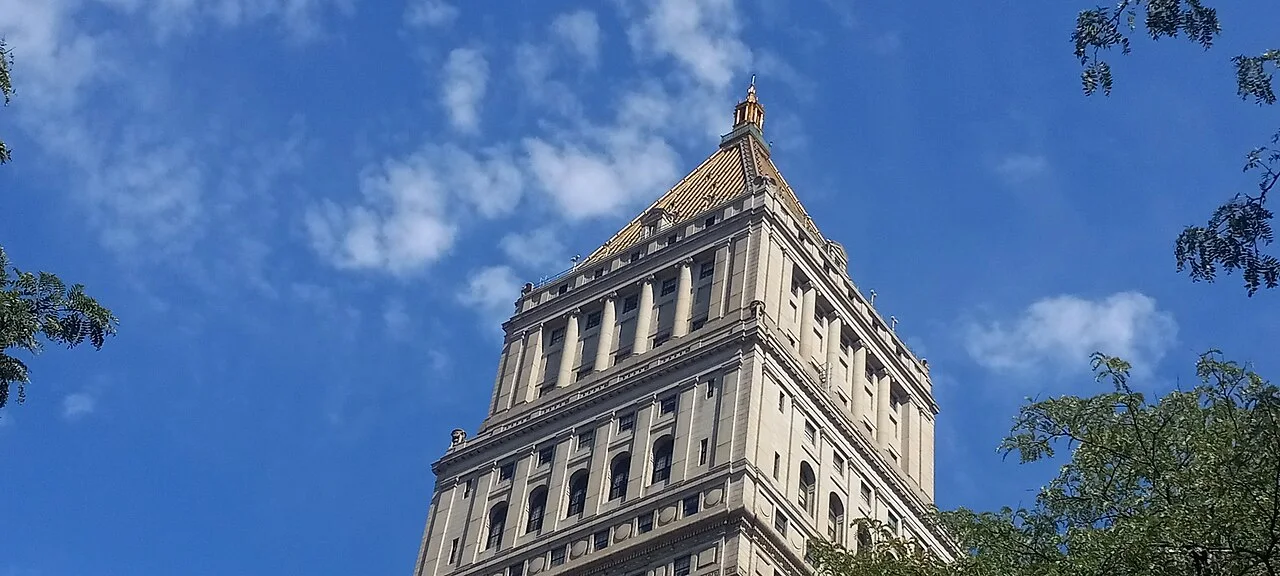
Both governments won in the lower courts, on different reasoning. The 7th Circuit ruled for Cook County in June 2025 in a short order. Following its own 2023 decision on Illinois' statewide ban, it held that the challengers had not shown that these rifles count as "arms" covered by the Second Amendment's text.
The 2nd Circuit refused to block Connecticut's law in August 2025, affirming a lower court's denial of a preliminary injunction, and it rested on history instead. It found that the rifles fall within a tradition of restricting what it called "unusually dangerous weapons," according to the challengers' brief, and it gave weight to the rise of mass shootings with ten or more deaths.
What each side will argue
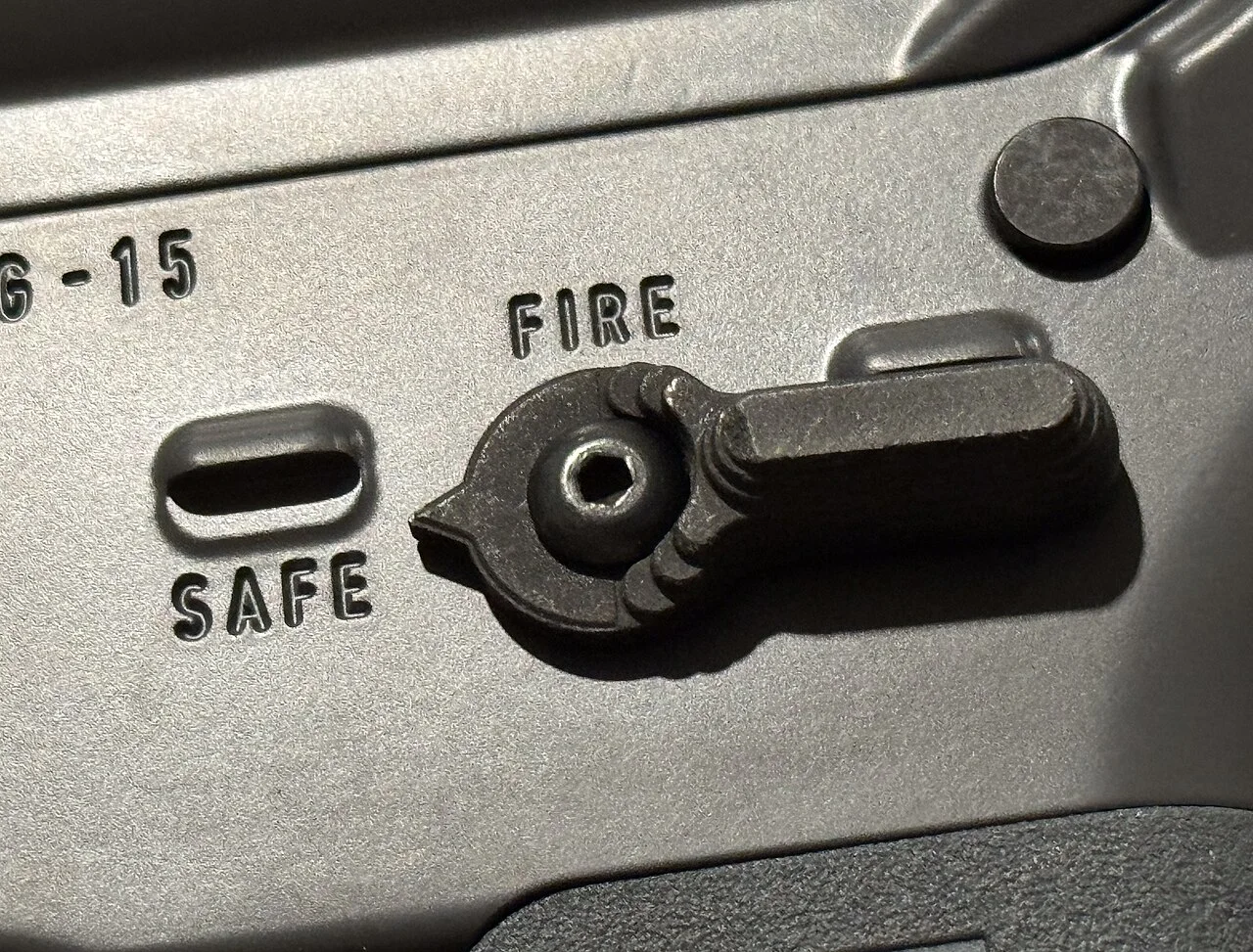
The challengers point out that the Court has already called the AR-15 "the most popular rifle in the country," and its 2008 decision in District of Columbia v. Heller protects weapons "in common use" for lawful purposes. Tens of millions of Americans own these rifles for self-defense, hunting and target shooting, they argue, and deciding whether a popular gun is too dangerous belongs to the people, not to judges.
The federal government makes the same point with numbers. The rifles are legal under federal law and in 40 states, its brief says, and that wide legality shows they are in common use and protected.
Cook County argues that AR-15s are weapons of war "designed for maximum lethality" that people rarely use to defend themselves. It points to a long line of laws against unusually dangerous weapons, including trap guns, Bowie knives and slungshots, and says popularity alone cannot decide what the Constitution protects.
Connecticut traces the same tradition from medieval English bans to 20th-century limits on Tommy guns. Its brief says AR-15s were used in Newtown, Uvalde and Las Vegas and can pierce police body armor. It also asks why the Court should count states rather than people, pointing to the 35% of Americans who live in the 11 states with bans.
The tests the justices will apply
Heller recognized an individual right to keep and bear arms and struck down Washington, D.C.'s handgun ban. It also said the protected weapons are those in common use, a limit it tied to the "historical tradition of prohibiting the carrying of 'dangerous and unusual weapons.'"
In 2022, New York State Rifle & Pistol Association v. Bruen set the current test. When the Second Amendment's text covers what a person wants to do, the government must show that its law fits the nation's historical tradition of gun regulation. The Court refined that test in 2024 in United States v. Rahimi, asking whether a law is "consistent with the principles that underpin the Nation's regulatory tradition."
Each side reads those cases its own way. The challengers build on Heller's common-use language, and the two governments on the tradition of restricting unusually dangerous weapons that Heller also mentioned.
What happens on Dec. 2 and after
The Court convenes at 10 a.m. Eastern (7 a.m. Pacific), and its December calendar lists these consolidated cases as the only argument that day. The Court streams live audio of arguments on its website.
Until the justices rule, each state's ban stays in its current status. The Court usually decides argued cases by the end of its term in late June or early July.