Nidal Hasan, the former Army psychiatrist sentenced to death for the 2009 mass shooting at Fort Hood, Texas, asked a federal judge in Kansas on Tuesday, Nov. 24, to halt his execution by firing squad, which the Army has set for Dec. 3 at Fort Hood.
In a motion filed in U.S. District Court in Kansas, Hasan says he intends to file a habeas corpus petition challenging his court-martial and death sentence, and asks the court to stay the execution so he can prepare it. Judge Anthony W. Mattivi has set a status conference by video for Wednesday, Nov. 25, at 2:30 p.m. Central. The government's response is not yet on the docket.
The execution order
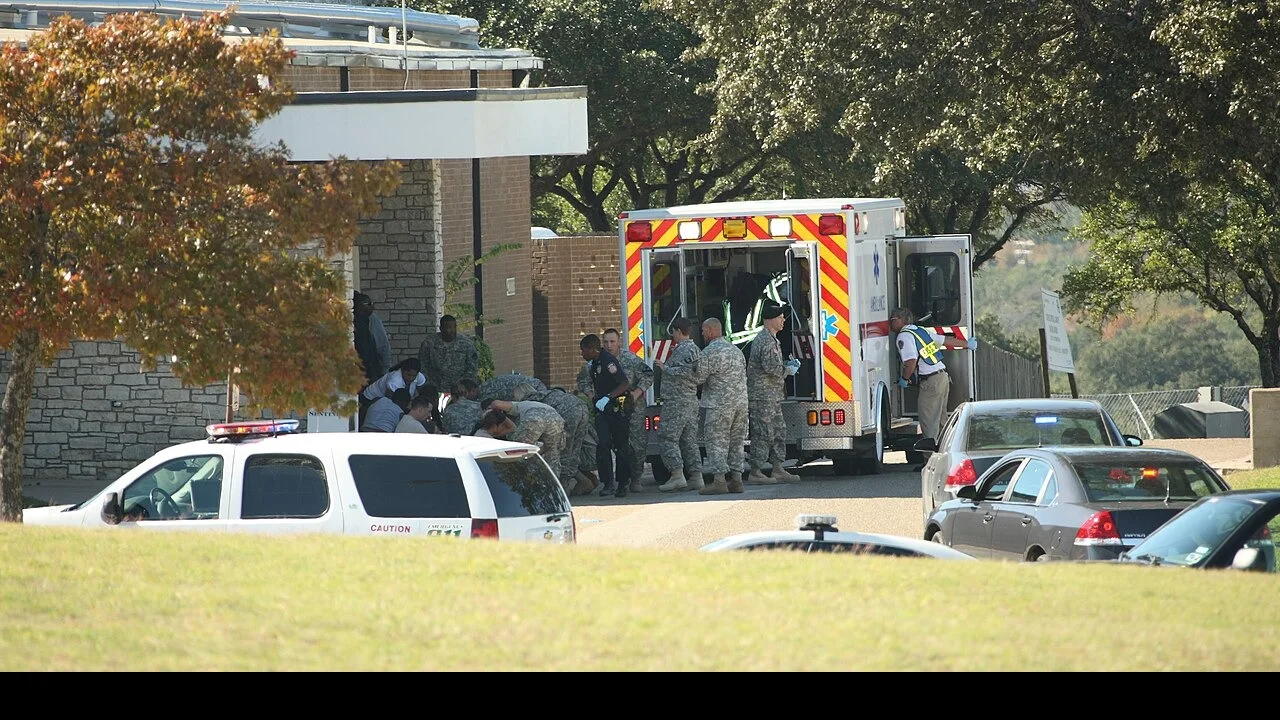
Hasan opened fire inside the Soldier Readiness Processing Center at Fort Hood on Nov. 5, 2009, killing 13 people and wounding 31. A military jury convicted him in August 2013 of 13 counts of premeditated murder and 32 of attempted premeditated murder, the extra count for a civilian police officer who exchanged fire with him and was not hit, and sentenced him to death on Aug. 28, 2013. The Army Court of Criminal Appeals upheld the sentence in December 2020, the Court of Appeals for the Armed Forces did so in March 2024, and the U.S. Supreme Court declined to hear his case in March 2025.
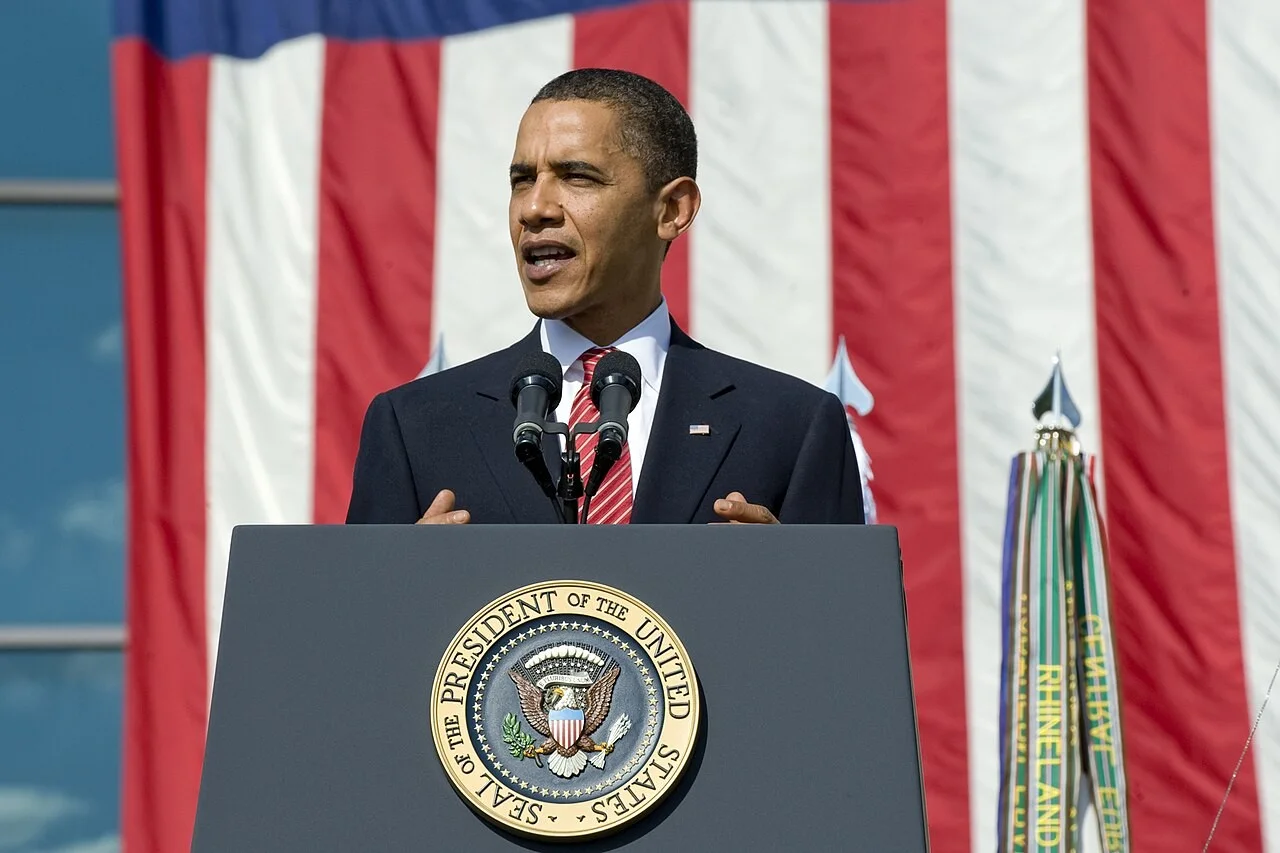
Under military law, only the president can approve a death sentence. The White House approved Hasan's on Oct. 2, 2026, according to an exhibit attached to the motion. Four days later the acting secretary of the Army signed an execution order directing that the sentence be carried out at Fort Hood on Thursday, Dec. 3, at 1 p.m. Central, by firing squad, under the Army regulation for military executions. A separate Army action dated Nov. 20 made his dismissal from the service effective.
What Hasan wants the court to do
Hasan is held at the U.S. Disciplinary Barracks at Fort Leavenworth, Kansas, which is why the case is in federal court there. The respondent is the barracks commandant, Col. Andrew Sergent.
The motion says Hasan wants to represent himself, with lawyers from the American Civil Liberties Union's Capital Punishment Project acting as standby counsel. Lawyers from a federal defender's capital habeas unit in North Carolina helped draft it. The filing points to two earlier Kansas cases in which the court appointed counsel or stayed a military execution so a habeas petition could be prepared: Gray v. Gray in 2008 and Hennis v. Curtis in 2025.
An attached exhibit lists the two claims Hasan plans to raise. The first is that the court-martial judge wrongly barred his only defense, that he acted in "defense of others," meaning Taliban fighters in Afghanistan. The second accuses the president and the defense secretary of unlawful command influence driven by racial and religious bias. It says the president publicly announced on Oct. 5 that Hasan would die by firing squad, a day before the Army's order, and argues that Army rules leave the choice of method to the Army secretary.
What happens next
The Nov. 25 conference is the first hearing in the case. If the court grants a stay, the Dec. 3 date would be put off while Hasan's petition is prepared and decided. If it does not, the Army's order stands unless a higher court steps in. Appeals from federal courts in Kansas go to the 10th Circuit.
Edit USA will report the court's ruling and any response from the Army or the Justice Department.