Amazon customers who returned an item and never got their money back, or got refunded and then were charged again, have until Dec. 1, 2026, to act in a $309.5 million class action settlement. About 8.7 million customers whose cases Amazon's records already show will be paid without filing anything. A second group gets nothing unless it submits a claim by that date.
The case is In re: Amazon Return Policy Litigation, No. 2:23-cv-01372, in federal court in Seattle. Amazon denies wrongdoing, and the court has not found that it did anything wrong. Judge Jamal N. Whitehead granted preliminary approval on Aug. 18, and email notices went out by Oct. 2.
Who is in the settlement
The class covers people in the U.S. who started a return or asked for a refund on a physical product bought on Amazon.com and received between Sept. 5, 2017, and Feb. 12, 2026. To qualify, Amazon must have wrongly withheld the refund, paid it late or paid the wrong amount, or refunded the customer and later charged them again for the same returned item, according to the official settlement site.
The settlement splits that class in two, and your group decides whether you have to do anything before next Tuesday.
Subclass A gets paid without a claim
Subclass A is the larger group. It covers failed refunds and repeat charges that Amazon's own records tie to payment processing or system errors, returns its records never confirmed, and cases where the records give no reason at all, according to class counsel's Nov. 18 fee motion.
Amazon began paying many of these refunds in 2025, after the suit was filed. The filing says it issued about $570 million of roughly $604 million by Dec. 1, 2025, and those refunds come on top of the settlement fund. Subclass A also takes 92.7% of the fund after fees and costs. That share pays about $81 million in refunds still owed outside Amazon's program, plus interest to every Subclass A member, including people who already got their refund.
Subclass A members do not file a claim. The settlement FAQ asks them to pick a payment method through the site, with a deadline of 105 days after the court gives final approval.
Subclass B must file by Dec. 1
Subclass B covers customers whose refund Amazon denied or cut, or who were charged again, for a reason its records state, for example a finding that the wrong item or quantity came back. These customers have to show it is more likely than not that the decision was wrong.
Claims are due online or by postmark on Dec. 1. The claim form is prefilled with Amazon's records, and a paper form can be requested at 1-888-553-4246 or info@ReturnSettlement.com with the Notice ID from the email. If the administrator flags a missing document or denies a claim, the claimant has 14 days to fix the gap or appeal.
Subclass B shares 7.3% of the net fund, divided among people with approved claims in proportion to the money they were owed. Someone in both groups can collect from both. December 1 is also the deadline to opt out or object.
What Amazon is changing
The deal also commits Amazon to six changes in how it handles refunds, each binding for 12 to 24 months. They include monitoring that returns are processed within the times its policy promises, automatic and then manual reprocessing of approved refunds still stuck after 30 days, and a message telling customers when a refund is approved or denied.
None of them alters how long customers have to send items back. Edit USA's guide to holiday return deadlines lists this season's dates.
Lawyers' fees and the March hearing
Class counsel asked the court on Nov. 18 for $100 million in fees, $510,779.57 in expenses and $7,500 for each of the 10 named plaintiffs. The fee comes out of the $309.5 million fund, so it reduces what is left for class members. Counsel argue the request is less than 8% of a total benefit they value at about $1.27 billion, counting the earlier refunds and the practice changes. Opposition papers are due Dec. 15.
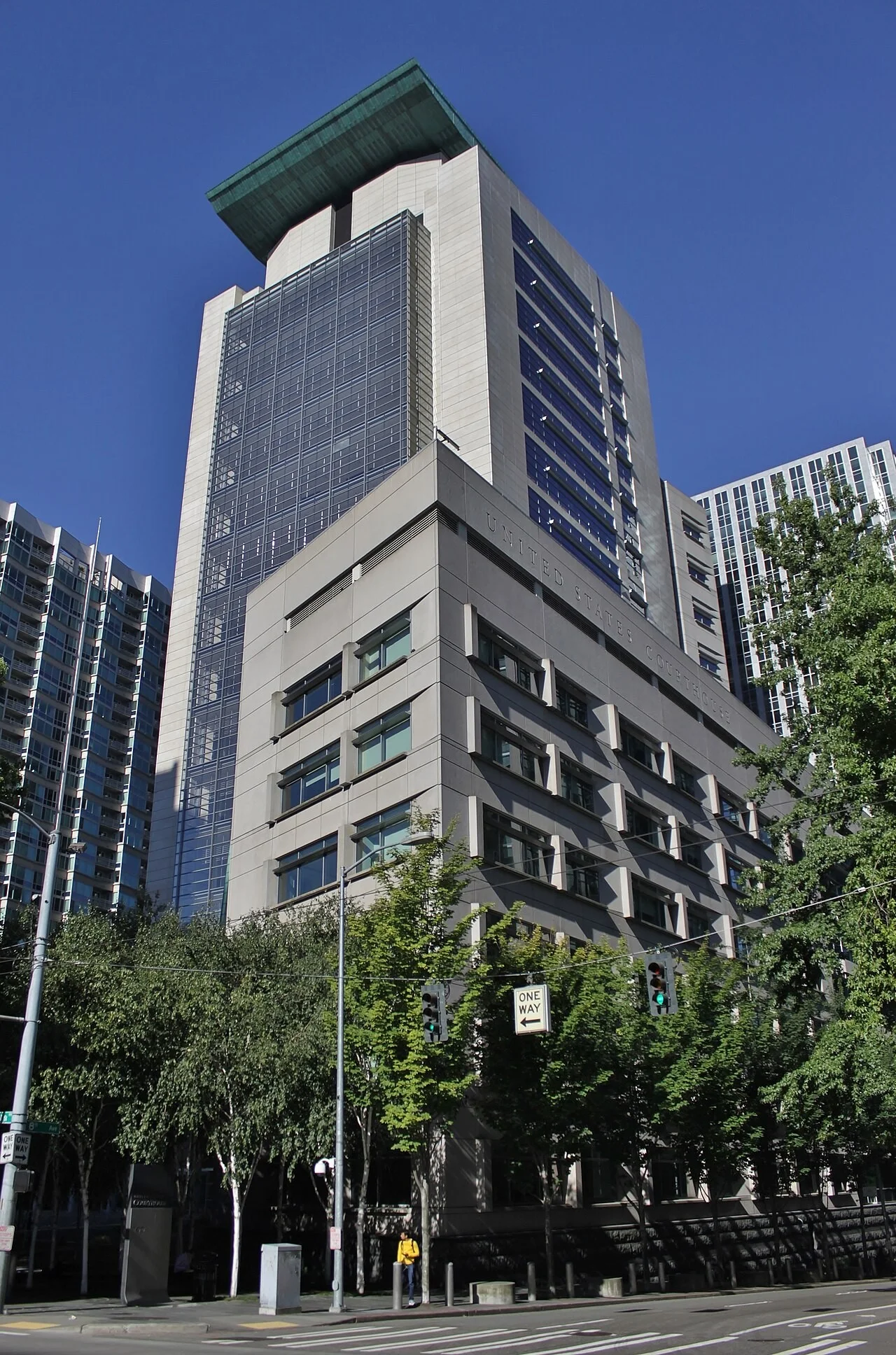
Judge Whitehead will hold the final approval hearing on March 16, 2027, at 10 a.m. Pacific at the federal courthouse at 700 Stewart Street in Seattle. Payments go out only after final approval and any appeals.