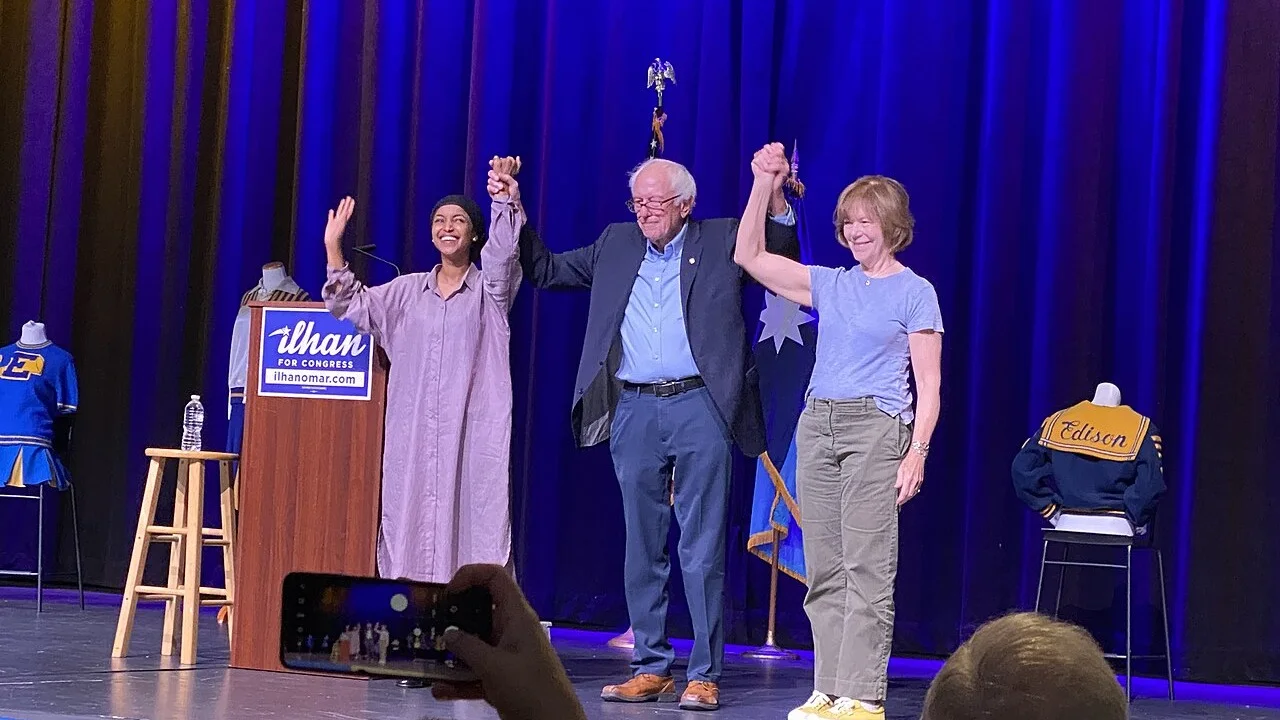
The Justice Department told a federal judge in Washington on Tuesday, Nov. 24, that it had misstated what the House of Representatives' top lawyer said before agents searched Rep. Ilhan Omar's home, and it apologized.
In several court filings since October, prosecutors wrote that House General Counsel Matthew Berry "refused to be involved in the search" and, "echoing the United States's position," said the Constitution's Speech or Debate Clause protections "do not extend to a Member's private residence." In a two-page correction filed Tuesday, the department said that last sentence was wrong. Berry "took no position on the scope of Speech or Debate Clause protections," the filing says, and the government's lawyers "misunderstood" his point. "The United States apologizes for this inadvertent misunderstanding," it says.
What Berry actually wrote
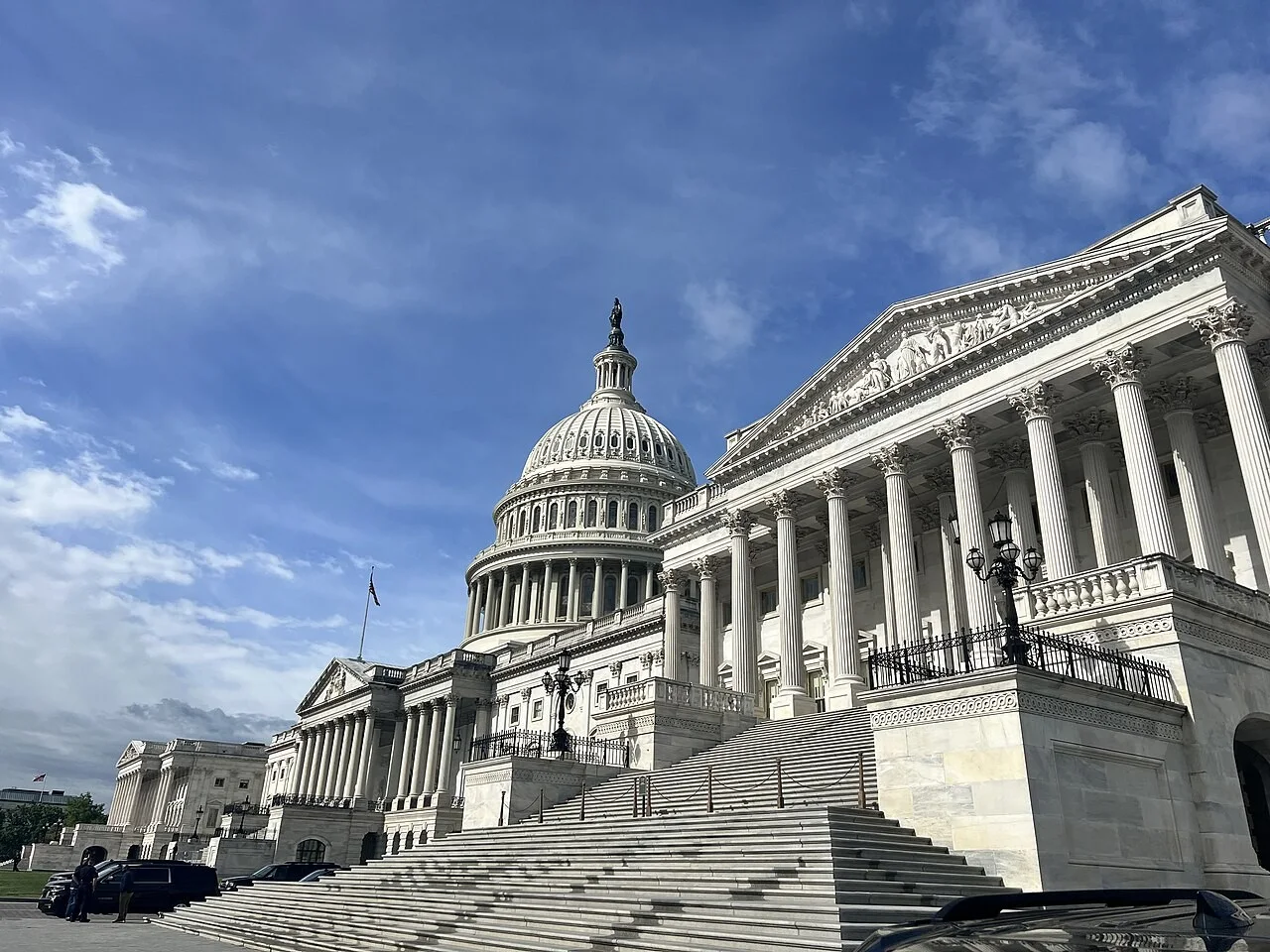
The correction attaches Berry's Oct. 11 email to Trent McCotter of the Office of the Deputy Attorney General, sent the day before the search. McCotter had forwarded a redacted warrant the night before and asked whether a House lawyer could serve in the role the court described, or at least watch.
Berry said no to both. His office does not represent the targets of criminal investigations, he wrote, because the House's interests "may diverge from the interests of the target," including over how far the Speech or Debate privilege reaches. He said a private or court-appointed lawyer for the target should handle any privilege questions.
On observing, Berry wrote that a House lawyer would watch a search of an office on House property to protect the institution's interests, "but those same equities do not apply when the search is taking place on private property." The department now says that remark concerned only where the search took place and took no view on which records are protected. It also says Berry was never told whose home was being searched.
How prosecutors used the statement
The Speech or Debate Clause shields lawmakers' legislative work from the executive branch. Prosecutors argued that during a search those protections cover a member's congressional office and some electronic devices but not a private home. Magistrate Judge Matthew J. Sharbaugh rejected that view in an Oct. 15 order, which Edit USA reported when the records were unsealed on Nov. 23.
The department had cited Berry's supposed agreement as support, including in an Oct. 16 emergency brief opposing the unsealing of a court order. Tuesday's correction says similar language appeared in other filings too.
The case
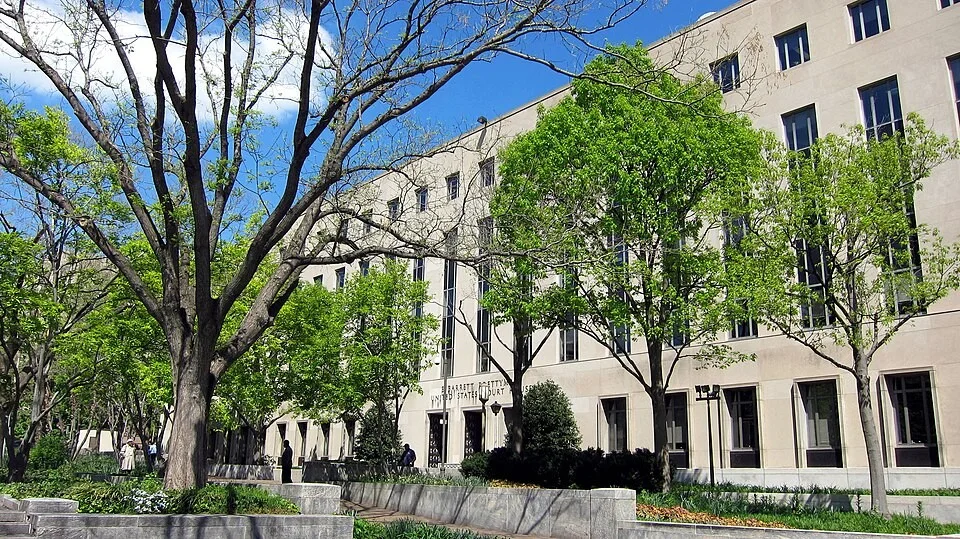
The filing went to Chief Judge James E. Boasberg, who is handling a request by news organizations to unseal the warrant records. On Nov. 23 he ordered the clerk to post the redacted documents from the search warrant docket on the court's public website. Nothing in the unsealed file shows that Omar has been charged with a crime.
The correction was signed by Peter Pfaffenroth, civil chief for the U.S. Attorney's Office in Washington, and Associate Deputy Attorney General Alessandra P. Serano.