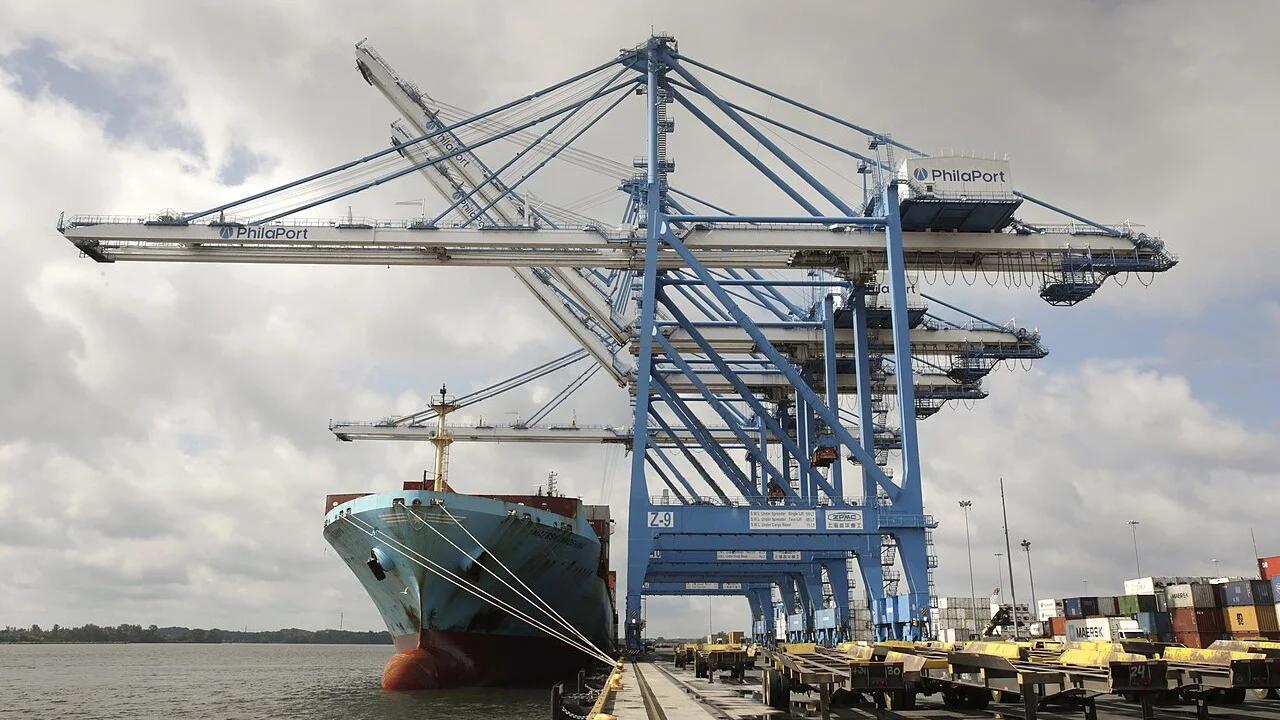
The Trump administration on Wednesday, Nov. 25, proposed new tariffs on goods from 14 trading partners, including China, the European Union, Japan, India and Vietnam, after finding that their industrial policies feed global overproduction that hurts American manufacturers.
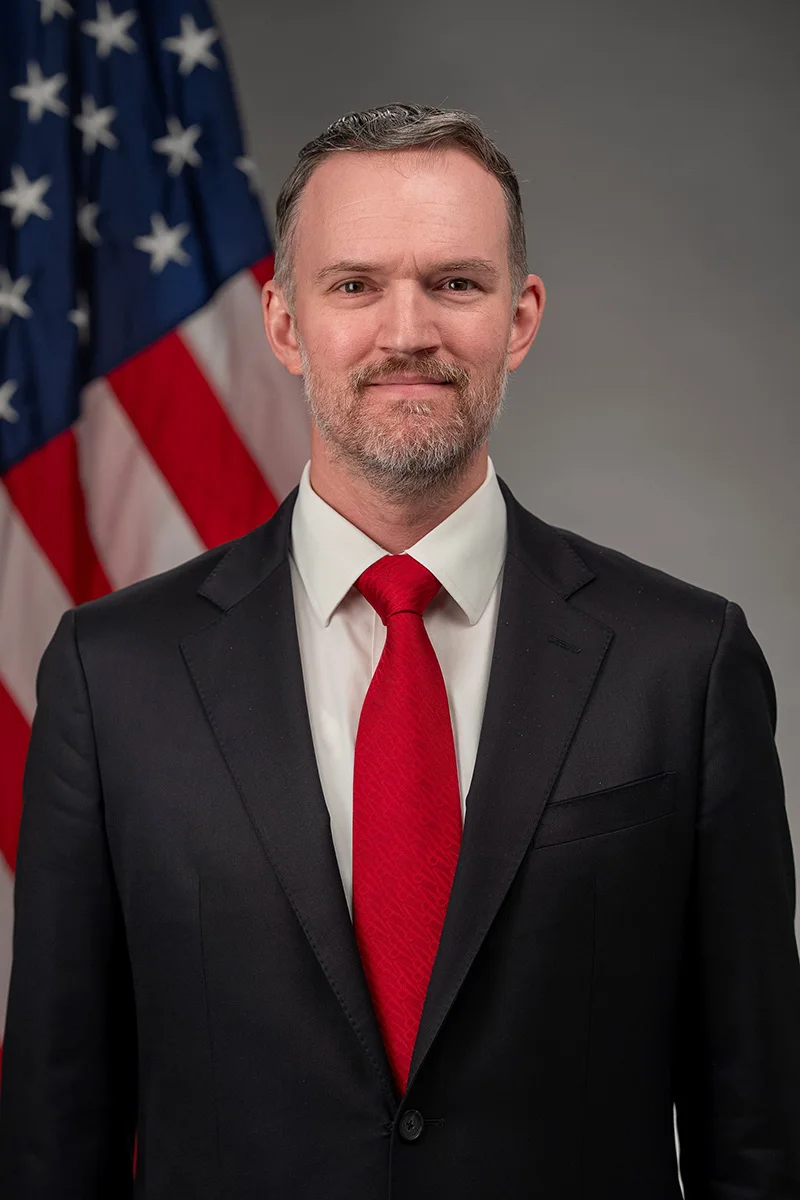
U.S. Trade Representative Jamieson Greer announced the determinations under Section 301 of the Trade Act of 1974. For now the rates are only proposals. The public can comment until Jan. 5, 2027, and hearings begin Jan. 25.
The proposed rates
Most of the proposed rates are ceilings, stated as "up to" a given level, and are measured net of Section 301 duties a country's goods already face. Each economy would get exemptions for certain goods listed in its notice.
| Economy | Proposed tariff on goods |
|---|---|
| Vietnam | Up to 35%, or 20% with a reciprocal trade agreement |
| India | Up to 25%, or 17% with a reciprocal trade agreement |
| China | Up to 20%, and up to 10% on goods in a separate annex |
| Singapore | Up to 20%, or 10% with a reciprocal trade agreement |
| Bangladesh, Cambodia, Indonesia, Malaysia, Thailand | Up to 18% |
| European Union, Japan, South Korea, Switzerland, Taiwan | Up to 15%, including regular import duties |
For most partners, USTR says the proposed rate already accounts for duties under other Section 301 and Section 232 actions and for the trade deals each has with the United States. China's rate reflects the 20% level agreed in the October 2025 Kuala Lumpur arrangement between President Trump and President Xi Jinping, according to China's notice. Goods on a list of products the two sides marked for reduced tariffs would be exempt.
USTR opened the investigations into 16 economies in March 2026 and made no finding on Mexico or Norway. It says nearly 140 witnesses testified at hearings in May and that it received 1,070 written comments.
The findings differ by country. China's list is the longest and includes forced technology transfer and intellectual property theft. In the European Union, USTR faults export credit and lending by public investment banks, and says the damage is worst in cars, chemicals and pharmaceuticals. Japan's case centers on cars, steel and chips. Vietnam faces the highest proposed rate. USTR's list for it runs from textiles and footwear to shipbuilding and cement. Greer said in the announcement that years of statements at the G7, G20 and World Trade Organization had failed to change those practices, so President Trump is proposing action.
How to weigh in
Written comments and requests to testify are due Jan. 5, 2027, through USTR's portal at comments.ustr.gov. For China, comments go in docket USTR-2026-0278. Hearings are set to start Jan. 25, 2027, at the U.S. International Trade Commission in Washington.
Any final tariffs would come only after the comment period and hearings.