Prices paid by American consumers rose 3.8% in the year through October, up from 3.6% in September, the Bureau of Economic Analysis reported Wednesday morning. It is the inflation gauge the Federal Reserve uses for its 2% target, and the new reading arrives two weeks before the Fed's last meeting of the year.
Excluding food and energy, the index rose 3.3% from a year earlier, up from 3.1% in the September report. Both measures climbed 0.3% from September to October.
Personal income rose $201.8 billion, or 0.7%, in October, and income after taxes rose 0.8%. Most of that came from wages and salaries, dividends and government benefits.
The benefits gain was mostly a one-time item. BEA says it reflected payments from the Medicare Improvement Fund premium rebate.
Consumer spending rose $63.8 billion, or 0.3%, before adjusting for prices. Services accounted for $52.1 billion of that and goods for $11.8 billion. After adjusting for inflation, spending slipped by less than 0.1%, meaning households paid more without buying more.
The personal saving rate was 4.1% of after-tax income, or $1 trillion at an annual rate.
The $90 Medicare rebate behind the income jump

The rebate was a single $90 payment toward Part B premiums, sent in October to about 20.8 million people in Original Medicare, according to Medicare's frequently asked questions on the program. To qualify, a person had to live in the United States, could not get help with premiums from Medicaid and could not pay the higher income-related premium. People in Medicare Advantage plans were left out.
Most of the money went out by direct deposit from the Social Security Administration around Oct. 8. People without direct deposit were sent a Treasury check later in the month. Medicare says beneficiaries can check whether they qualified by calling 1-800-MEDICARE (1-800-633-4227), and can ask about a missing payment through Social Security at 1-800-772-1213.
The Fed's 2% goal
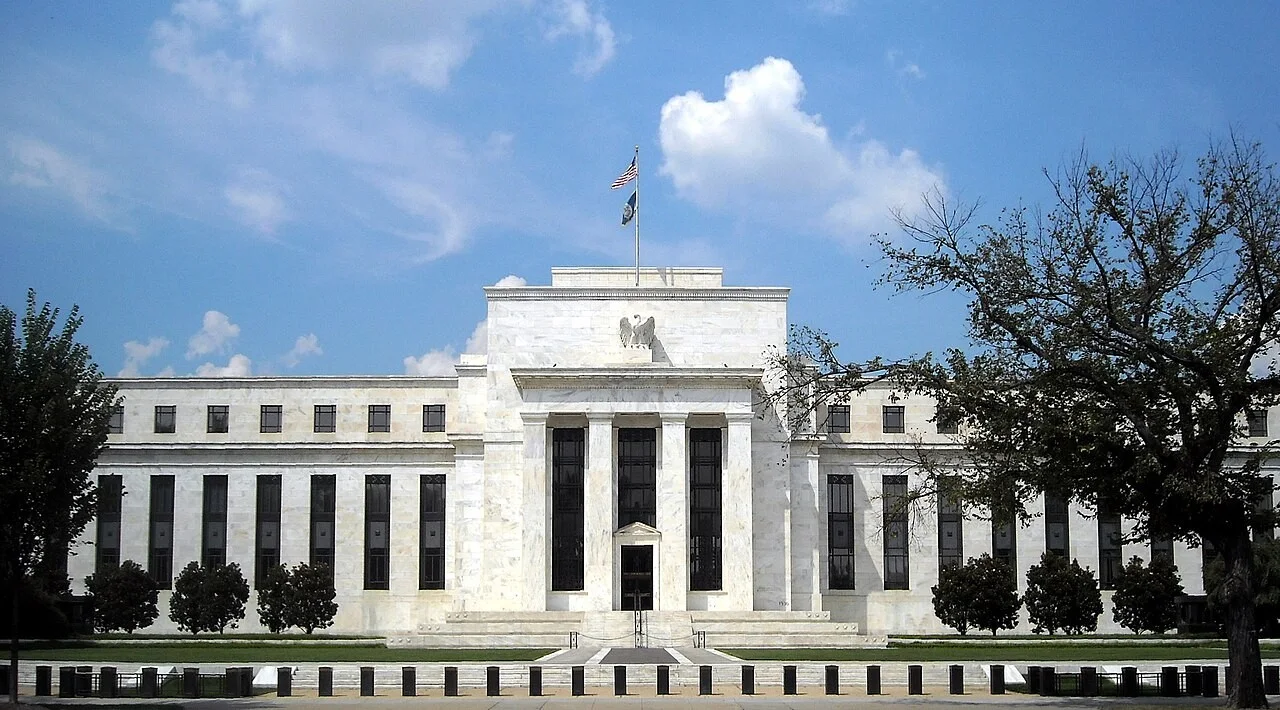
The Fed's policy committee says in its statement of longer-run goals that 2% inflation, measured by this index, is most consistent with its mandate. October's 3.8% leaves prices rising at nearly twice that pace.
Policymakers next meet Dec. 8 and 9, according to the Fed's meeting calendar. That meeting also brings new economic projections from Fed officials.
| Measure | September | October |
|---|---|---|
| PCE prices, change from a year earlier | 3.6% | 3.8% |
| Excluding food and energy, from a year earlier | 3.1% | 3.3% |
| PCE prices, change from prior month | 0.5% | 0.3% |
| Inflation-adjusted spending, from prior month | 0.1% | 0.0% |
| After-tax income adjusted for inflation, from prior month | -0.2% | 0.5% |
BEA's November report is scheduled for Dec. 23 at 8:30 a.m. Eastern, two weeks after the Fed meeting.