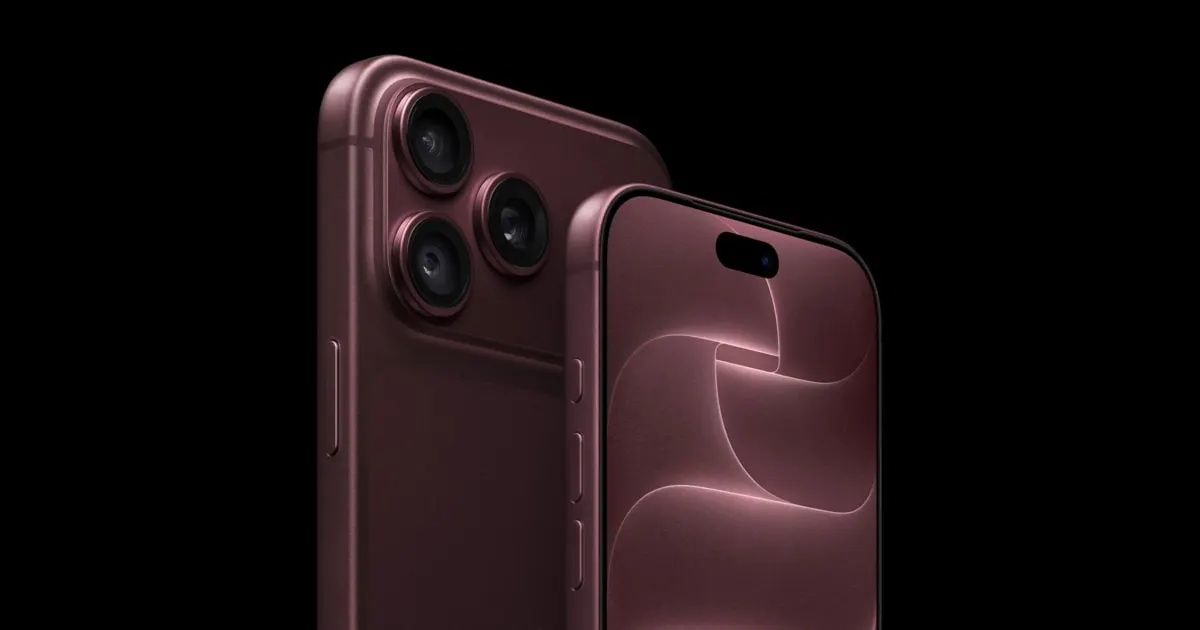
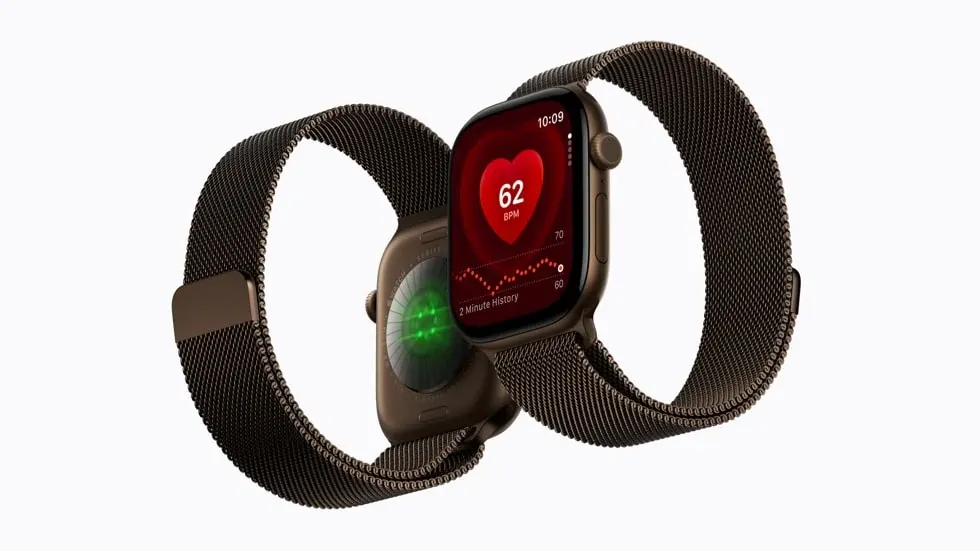
Apple introduced Watch Series 12 on September 9 with a new Health Sensing System and S11 chip. The U.S. starting price was $399, with store availability announced for September 18. Some announced features required the new hardware; others depended on software or paired-device requirements.
What arrived, and when
| Part of the announcement | Announced timing | What to check |
|---|---|---|
| Watch Series 12 hardware | September 18 availability | New sensing hardware; U.S. starting price $399 |
| watchOS 27 | September 14 | Compatibility for the watch and paired iPhone |
| Audio Intelligence and redesigned Health app | Later in the year | Separate device, language and release requirements |
Apple's product announcement put more frequent heart rate and heart rate variability measurements at the center of the release. Those measurements support a new readiness score. The company also described Audio Intelligence features arriving later in the year. A purchase at launch therefore did not make every feature in the announcement immediately available.
Hardware and software have separate requirements
In its health and fitness announcement, Apple said the new sensing system measures heart rate every five seconds throughout the day and heart rate variability as often as every five minutes. Apple supplies these measurement frequencies; Edit USA has not tested them.
More frequent measurements may appeal to someone who regularly reviews recovery metrics. They offer a different benefit from the messages and walk tracking that may be an existing owner's main uses. The readiness score's inputs and limitations also affect what a wearer can infer from it.
Apple separately announced a redesigned iPhone Health app for later in the year. That schedule should be read alongside the watch's release date, especially by shoppers buying for a particular software feature.
Check the watch already on your wrist
The launch release said watchOS 27 would arrive September 14 for Series 9 and later, Watch SE 3, and Ultra 2 and later, with compatible iPhones also required. Apple Intelligence had additional device and language requirements. Support for the operating system did not mean that an older watch acquired the Series 12 sensors.
A useful comparison starts with the model you own and the specific feature you want. Put the phone requirements next to the watch requirements, then check the release timing. For anyone trying the new hardware in a store, comfort, readability and the controls they use every day deserve time alongside the new health screens.
A feature can involve both a watch and an iPhone, so the paired device is part of the compatibility decision.
Access to a measurement does not establish how to act on it. Someone may want to see more frequent HRV readings without having a supported reason to change exercise or health decisions around those readings. The purchase comparison can establish sensor access and software requirements; it cannot interpret an individual's results or validate a health intervention.
Price the configuration you need
Supported software, new physical sensors and features arriving later are separate reasons for considering an upgrade.
Compare the actual size, connectivity option and total purchase price. A starting price describes an entry configuration, while the watch you choose may be another model.
What readiness combines
Apple's health announcement describes a readiness score from zero to ten, using activity, vitals and sleep information. It updates during the day as more data arrives. That is a combined interpretation of several inputs, whereas an individual heart-rate reading describes one measurement. A shopper comparing screens should distinguish the score from the underlying history they want to see.
For someone who wears a watch mainly during daytime, the sleep component creates another consideration: whether overnight use and charging fit the routine. Buying sensors does not guarantee a complete personal record if the watch spends the night on a charger. This is a consequence of the announced inputs, not a test of Apple's scoring algorithm.
The hardware launch also listed up to 24 hours of everyday battery life and up to ten hours during an outdoor workout, with conditions in Apple's footnotes. Those are vendor estimates. A person planning long training sessions or overnight wear should compare the relevant battery scenario with the time they can leave the watch charging, alongside the paired-iPhone and feature requirements.