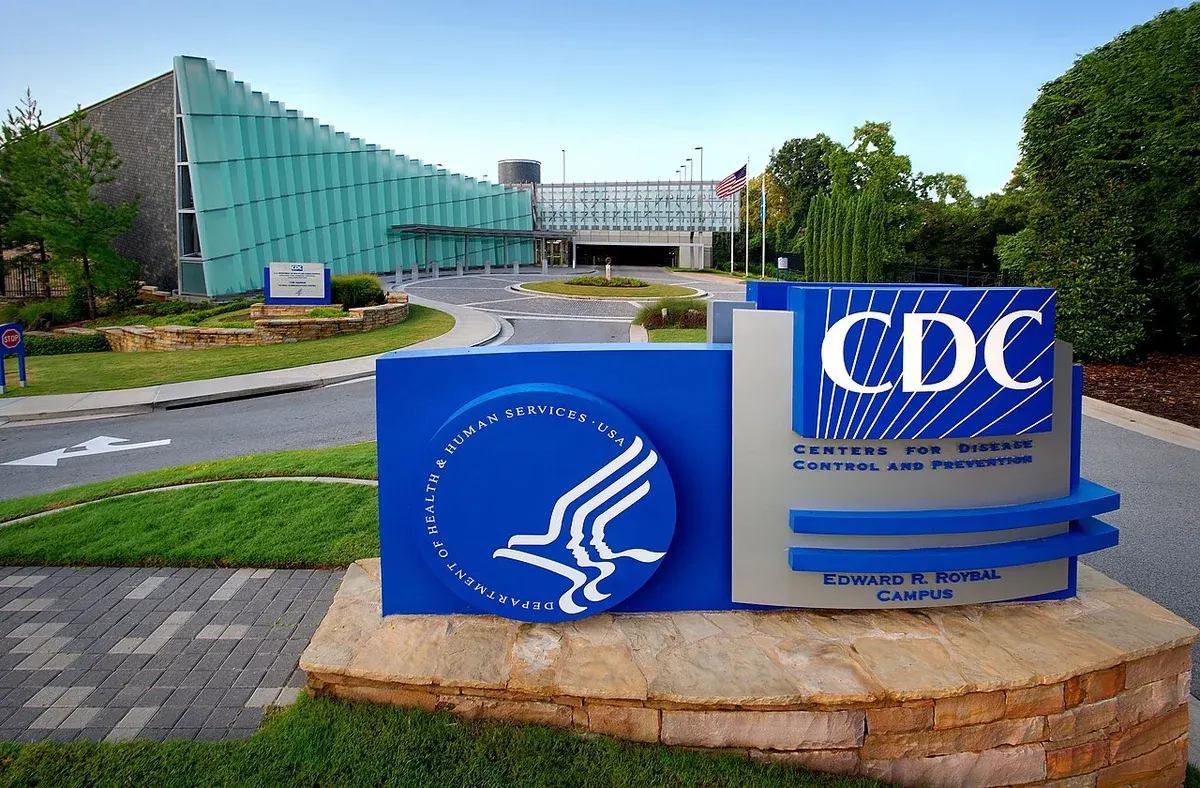
The David J. Sencer CDC Museum's America 250: Life, Liberty, and Public Health exhibition examines how communities and institutions responded to threats that changed how Americans lived.
The museum's exhibition listing dates the show from August 10, 2026, through July 30, 2027. Its subject offers a route into history through water, travel and disease prevention.
Put the reservation before the itinerary
The CDC's visiting instructions require advance reservations and say walk-in visits are no longer permitted. Individuals and groups under ten need to schedule at least a week ahead; larger groups need at least two weeks. Admission and parking are free under the published terms.
Check reservation availability before choosing a date, and allow time for the identification checks and vehicle searches described in the visiting instructions. Restrictions on large bags also affect what visitors can bring.
The museum identifies the self-guided experience as suitable for grades six through twelve and adults.
Identification and security
The CDC specifies a valid government-issued REAL ID for adult visitors and a valid passport for non-U.S. citizens aged eighteen and older. It also says cars and buses are searched and visitors must leave the vehicle during that process. These are practical reasons to read the museum's instructions in advance instead of relying on a general Atlanta sightseeing page.
The museum describes early struggles with smallpox, yellow fever and malaria alongside later challenges associated with industrial pollution, contaminated water and global travel.
The published weekday hours are 9 a.m. to 4 p.m., with the last reservation slot at 2:30 p.m. The museum closes on weekends and federal holidays. That combination rules out a casual Saturday addition to an Atlanta trip and gives an afternoon visitor an earlier appointment than the building's closing hour might suggest.
The CDC requires one adult chaperone for every ten visitors under eighteen. Include chaperones when reserving for a group, and bring the confirmation and required identification.
The museum has no food outlet or gift shop, so visitors need to arrange meals elsewhere and consider the bag policy before carrying purchases from another stop.
Why a public-health museum belongs in Atlanta
The CDC's own history of malaria control gives the exhibition a local connection. The Communicable Disease Center began on July 1, 1946, growing out of Malaria Control in War Areas. Its predecessor worked around military training bases in the southern United States and its territories, where mosquito-borne disease threatened soldiers and surrounding communities.
That history connects a national institution with a practical problem of place. Disease prevention required work beyond a doctor's office, including mosquito control around where people lived and trained. The CDC account also describes malaria reduction in the Tennessee Valley through water-level management and insecticide applications. Public infrastructure and public health shared physical ground.
The anniversary exhibition's list of subjects moves from those kinds of infectious threats to pollution, contaminated water and chronic disease. The interventions are different. A quarantine station concentrates on movement across a boundary; sanitation changes a shared environment; surveillance collects information so a pattern can be recognized. A medical breakthrough alone cannot describe all of those kinds of work.
This makes the museum a stronger fit for visitors interested in American institutions, cities and infrastructure than its agency name may suggest. It also gives older children a subject with visible connections to ordinary life: the water arriving at a tap, the movement of travelers and the organization of a neighborhood.
The free price should be weighed against the fixed weekday appointment and campus screening. A person with only a weekend in Atlanta needs another option. Someone who can reserve a weekday morning can plan around the museum's own subject instead of treating it as an unplanned stop between other attractions.