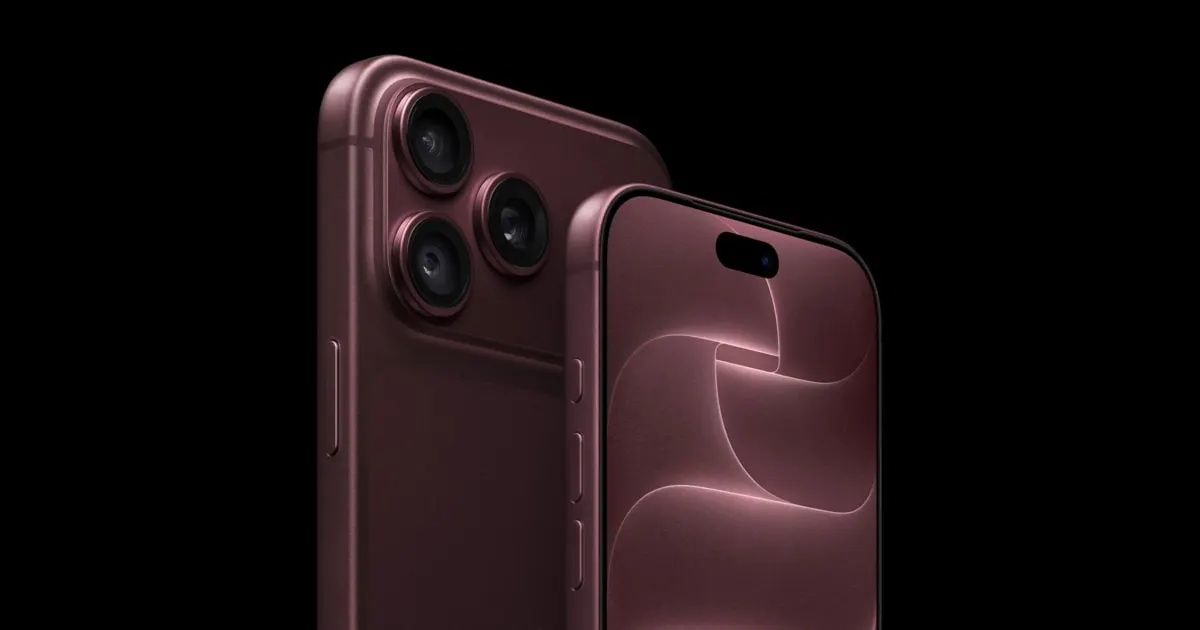
The iPhone 18 Pro's variable main-camera aperture is a reason for an interested photographer to compare phones carefully. It is a weaker reason to replace an iPhone 17 Pro simply to obtain more megapixels or a longer stated zoom range: Apple's specification sheets show substantial continuity in those areas.
The iPhone 18 Pro technical specifications and iPhone 17 Pro specification record document the differences below. Edit USA has not conducted hands-on image testing.
The camera changes that survive a side-by-side table
| Published specification | iPhone 17 Pro | iPhone 18 Pro |
|---|---|---|
| Main camera | 48MP; 24mm; fixed f/1.78 | 48MP; 24mm; f/1.48, f/1.8, f/2.8 and f/4.0 |
| Ultra wide | 48MP; 13mm; f/2.2 | 48MP; 13mm; f/2.2 |
| Telephoto | 48MP; 100mm; 4x; f/2.8 | 48MP; 100mm; 4x; f/2.8 |
| Optical-quality 8x option | 12MP; 200mm | 12MP; 200mm |
| Front camera | 18MP Center Stage | 18MP Center Stage |
| Cinematic video maximum | 4K Dolby Vision at 30fps | 4K Dolby Vision at 60fps |
| Chip | A19 Pro | A20 Pro |
The 8x entry needs its qualifier. Apple calls it optical-quality and lists a 12MP result, separately from the 48MP 100mm telephoto camera. A shopper should not read that line as a new, longer physical telephoto lens unique to the 18 Pro.
Consider upgrading if aperture control solves a real problem
A variable aperture changes the physical opening through which the main camera gathers light. Apple's product explanation associates its wider setting with low light and its narrower settings with greater depth of field. It also describes manual control through the Camera app.
That makes the 18 Pro particularly worth examining if you want control over a scene with subjects at different distances, or enjoy deliberately working with exposure and focus. Someone making Cinematic-mode video can also compare the documented 60fps ceiling with the 17 Pro's 30fps limit.
The specification does not establish how much better a moving subject will look indoors. Camera processing, focus, motion and exposure still affect the result. Ask for comparisons of the same subject under the same light before paying for a claimed improvement in a situation that matters to you.
Keeping a 17 Pro is a reasonable choice for familiar shooting
An owner satisfied with everyday photos, the existing front camera or the stated 4x/8x options has less evidence here for an urgent replacement. Both sheets already list 48MP main, ultra-wide and telephoto cameras. Both also list 4K 120fps Dolby Vision from the main camera, so that capability alone does not distinguish the generations.
Existing photos can help identify an upgrade's purpose: indoor portraits, groups at different distances and distant subjects place different demands on a camera.
For a store demonstration, keep the subject and framing fixed while comparing the available aperture settings on the main camera. Include an object near the camera and another farther away, then inspect which parts of the scene remain in focus. Use ordinary automatic shooting as a separate comparison, because someone who never selects an aperture needs to know what the phone chooses for them.
For video, write down the mode and frame rate before comparing clips. A 60fps Cinematic clip and a 30fps clip are different recording configurations. Check the format your editing software accepts and the amount of storage your intended shoot needs. The specifications do not establish a measured image-quality advantage on either phone.
Apple's September 9 launch announcement set U.S. starting prices at $1,199 for Pro and $1,299 for Pro Max, each beginning at 256GB. Compare the storage configuration and net price you would actually buy. The smaller 18 Pro also offers a 2TB configuration, whereas Apple's 17 Pro record lists up to 1TB. Check the full price of that capacity before treating the base model's price as your upgrade cost.