An urban wildlife refuge can turn a spare afternoon into time outdoors without requiring a weekend expedition. For Philadelphia-area readers, John Heinz National Wildlife Refuge at Tinicum is a specific place to begin, with trails accessible daily from sunrise to sundown.
The U.S. Fish and Wildlife Service scheduled National Wildlife Refuge Week for October 10 through 17, 2026. October 11 was its entrance-fee waiver day at refuges that charge a fee. That was a system-wide invitation, not a reason to assume every refuge usually charges admission.
A first birding walk
Choose a trail from the refuge's official information and give yourself time to stop. For a first birding outing, observing how birds move and feed is enough. A bird's size, movement and feeding behavior can be interesting even before you identify the species.
Binoculars are helpful if you already own them. Buying equipment can wait until you know whether you enjoy the pace of the activity. Notes can help with identification later.
This is a good choice for a local outing with someone who prefers a walk to a formal attraction. Agree in advance on the length of the visit, particularly when one person wants to linger at every patch of water.
Check the facilities separately
The refuge lists its visitor center as open Wednesday through Sunday, 9 a.m. to 4 p.m., while trail hours extend from sunrise to sundown. Its visitor page also identifies parking and current facility limitations.
Choose observation over a long distance
For a first visit, set a time budget rather than a mileage target. You might choose a short walk with several stops and turn around when the agreed time is half gone. That leaves room to return at an unhurried pace without committing everyone to the longest route on the map.
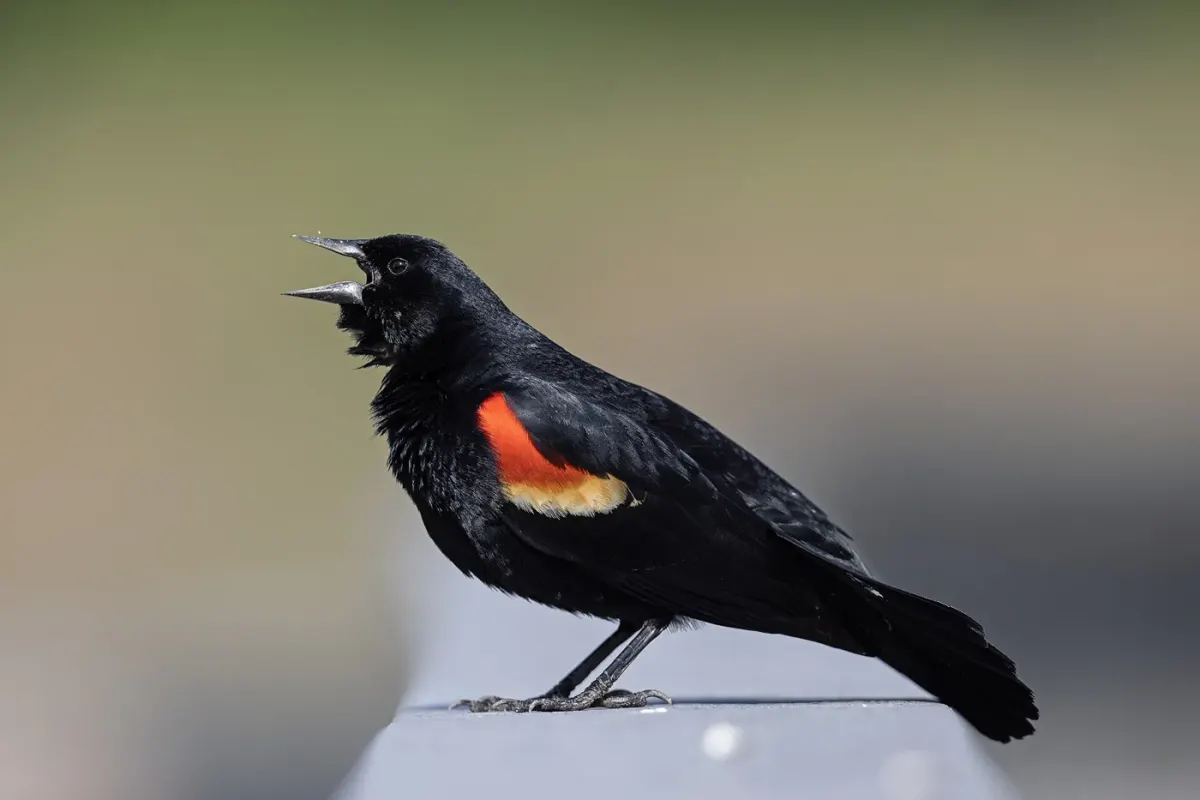
Use your senses before reaching for an identification tool. Notice the bird's size relative to a familiar species, where it is sitting and how it moves. A description such as a dark bird feeding at the water's edge is a useful beginning. An uncertain name written with confidence is less helpful.
| Before leaving | Why it matters |
|---|---|
| Check trail and facility notices | The route and visitor center have different hours |
| Save the official map | You can choose a turnaround without a new search |
| Agree on the visit length | A beginner and an enthusiast may want different days |
| Pack for the conditions | A stationary observation stop can feel cooler than walking |
The refuge lists free parking at its Lindbergh Boulevard and Route 420 entrances. Choose the entrance that matches the route you have selected rather than assuming all starting points are equivalent. Its published visitor information also notes a boat-launch closure, a reminder to check the activity you plan rather than rely on an older description.
Download the relevant map before setting out. Keep to the available public routes and give wildlife space; seeing something briefly from the trail is a better reason to return than approaching it for a closer picture.
Two routes with different commitments
The refuge identifies a 3.5-mile Wetland Loop and a wheelchair-accessible Big Boardwalk Loop of less than a mile. These are materially different choices for a first birding visit. At a hypothetical moving pace of two miles an hour, the longer loop would take about one hour and 45 minutes before any observation stops. A short route leaves more of a limited afternoon available for watching birds.
The Lindbergh Boulevard entrance provides access to the visitor center and wildlife-observation structures. Route 420 provides trail and fishing access on the western side. For a beginner wanting a map or advice from the front desk, the eastern entrance has the useful facilities. The official page also says binoculars can be borrowed free from the visitor center, which can remove the need to buy a pair for a first outing. Availability should be confirmed with the center.
Food is not sold on site. Public transportation also adds walking: the refuge estimates about half a mile from the Route 37 and 108 bus stop at 84th Street and Lindbergh Boulevard, or about a mile from Eastwick Regional Rail station. Include that distance when choosing how much of the refuge to walk, especially if the return journey will follow a long observation stop.