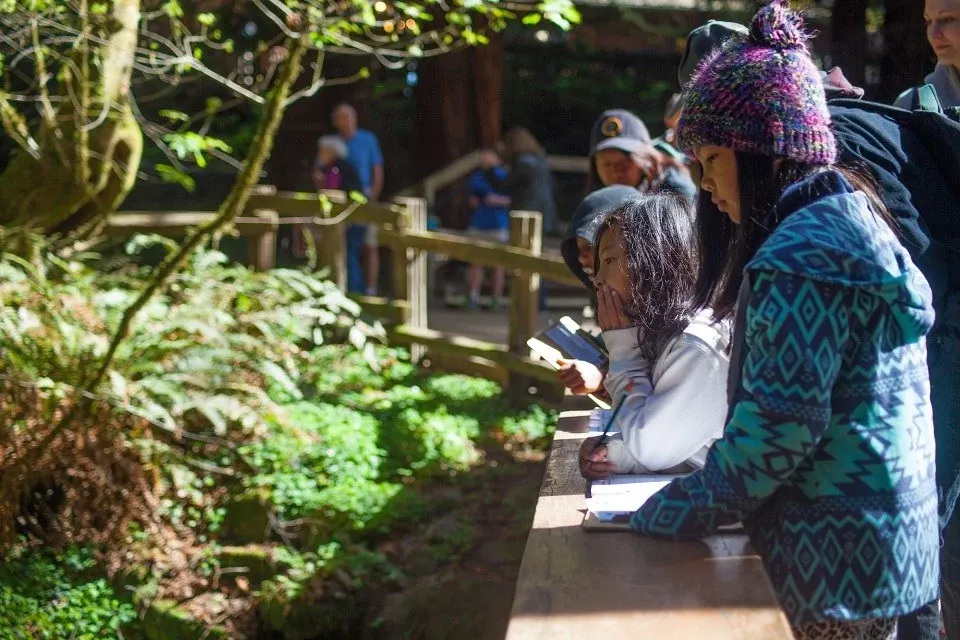
National Public Lands Day fell on Saturday, September 26, with work ranging from removing litter to improving trails. The event's 33rd edition used the theme Caring for Our Shared America, linking a day of practical stewardship to the country's 250th anniversary.
The National Environmental Education Foundation, which coordinates the event, described September projects at places as different as the Lower Salt River in Arizona and Kenilworth Aquatic Gardens in Washington, D.C. The former hosted a river cleanup; the latter offered invasive-plant removal and litter collection. There were also learning activities, including fishing with a ranger at Alabama's Little River Canyon National Preserve.
That range gave families and first-time volunteers a reason to read the actual event description before assuming they needed experience with trail tools. An afternoon outdoors can involve physical restoration, an educational activity or a mix of the two. The work and the setting determine whether it suits the people coming along.
The local job tells you what to expect
A Bureau of Land Management announcement listed four Montana events on and around the national date. September 26 opportunities included trail improvement at Dean S. Reservoir and cleanups at Scratchgravel Hills and Four Dances. A Pipestone cleanup and off-highway vehicle safety program was scheduled a week earlier, on September 19.
For volunteers, a named task makes planning easier. Trail improvement and litter collection can require different clothing, equipment and supervision. Contacting the organizer about the work surface, available facilities and children's participation is more useful than buying gear based on the national event's name. An organizer can also explain which supplies are provided and where to meet.
The work can continue after the date
NEEF's post-event update said early estimates pointed to more than 700 events and 55,000 volunteers across all 50 states, Washington, D.C., and Puerto Rico. It identified those figures as preliminary and said some activities, including weather-related reschedulings, would continue afterward.
The calendar date is therefore a starting point for finding a group, including for someone who missed that Saturday. Look for an active listing and confirm it with the host. Before leaving home, check the meeting location and the latest weather message from the organizer; a park's main entrance may be some distance from the day's work.
Joining a later volunteer event
Before registering, ask about the meeting point, duration, toilets, drinking water, transport and any accessibility needs. Confirm whether children can take part and which tasks they may do. Buy or borrow equipment only after learning what the host provides. Use the organizer's contact for last-minute location or weather updates.
For a return visit, ask which recurring volunteer program handles the work and whether training is required. A one-day registration does not authorize independent work at the site afterward. Use the agency's volunteer process, particularly where tools, restoration areas or wildlife restrictions are involved.
A national event with several kinds of land
NEEF's definition of public lands includes national forests, wildlife refuges, grasslands and marine sanctuaries, along with state, county and city parks. A volunteer does not need to travel to a large national park to take part. A nearby community park can offer a more practical return commitment than a distant destination that can be reached only once a year.
The coordinator also distributes fee-free-day coupons for participating federal-agency sites. These are a separate volunteer benefit with their own terms, so a participant should get the coupon and its conditions from the event host rather than assuming any registration email is an entrance pass.
The preliminary national count measures participation, not a uniform result. A person removing invasive plants, a group hauling litter and a family joining a ranger activity make different contributions. Event totals alone cannot establish how many trail miles were repaired or how much habitat was restored. NEEF asks hosts to submit post-event surveys covering volunteer numbers, hours and accomplishments before it publishes fuller results. That reporting explains why the early estimate may change as postponed activities finish.