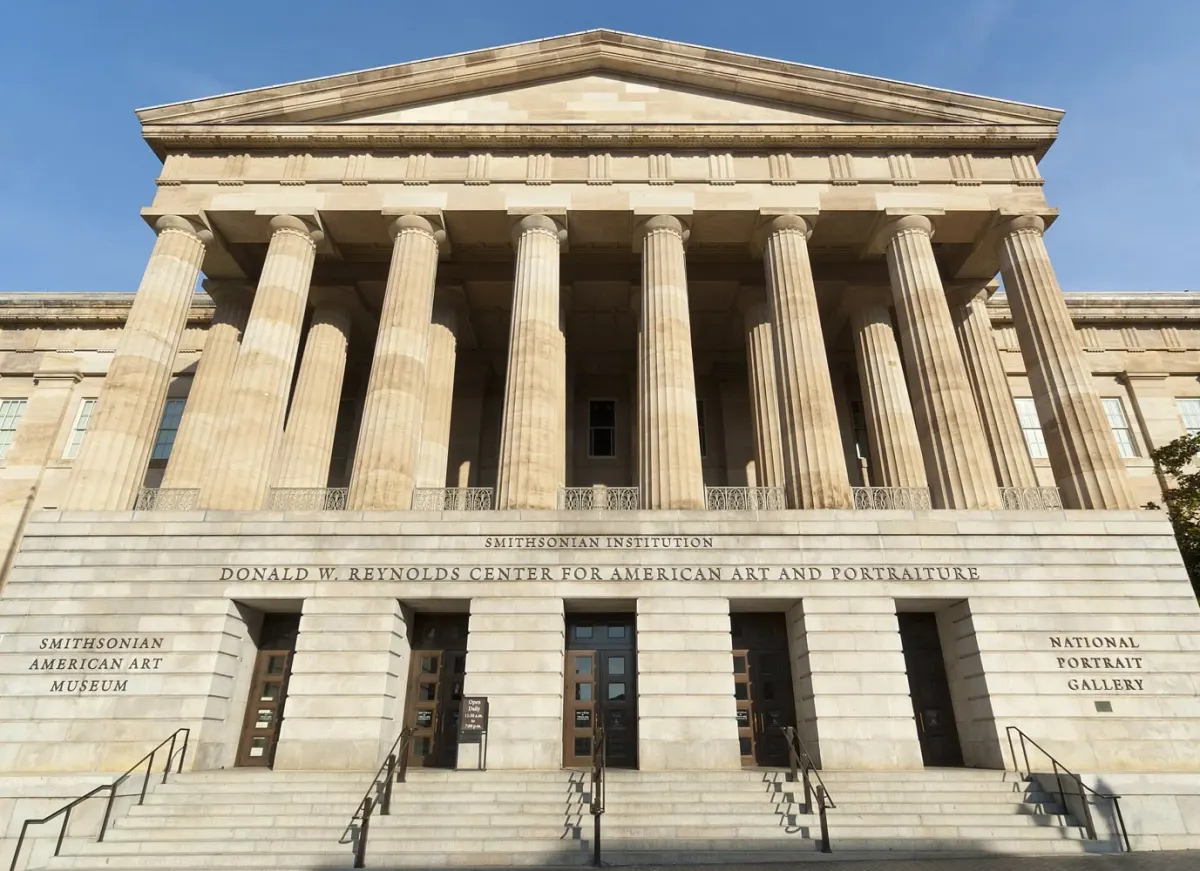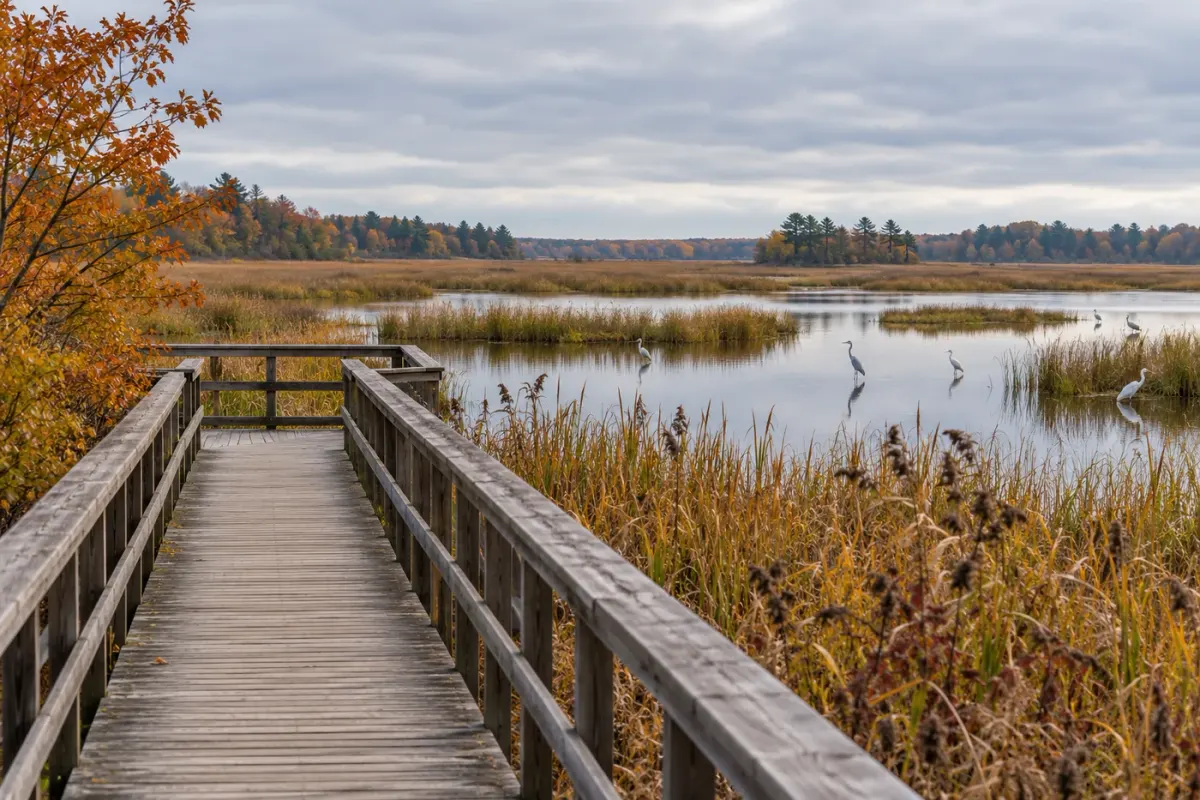
The National Park Service and U.S. Fish and Wildlife Service waive some entrance fees on Tuesday, October 27, for Theodore Roosevelt's birthday. Their published 2026 notices describe different eligibility rules.
Check which agency manages the place before treating a fee-free date as part of the budget. A national wildlife refuge and a national park can appear in the same travel search while using separate entrance policies.
Compare the two notices
| Managing agency | October 27 entrance waiver | Detail to check |
|---|---|---|
| National Park Service | Its 2026 free days apply to U.S. citizens and residents | Eligibility, documentation and the site's other charges |
| U.S. Fish and Wildlife Service | Its event notice offers free admission at refuges and other FWS lands that normally charge an entrance fee | The notice lists no residency qualification; confirm the chosen site's visit arrangements |
The National Park Service's passes page explicitly limits the 2026 free dates to U.S. citizens and residents. Its nonresident section says other visitors must pay the applicable entrance and nonresident fees unless covered by the relevant pass. The Interior Department's announcement also identifies October 27 among the resident-focused 2026 fee-free dates.
The Fish and Wildlife Service's October 27 event is a separate offer. It says national wildlife refuges and other FWS lands that normally charge an entrance fee will offer free admission. That notice does not state the NPS citizenship or residency restriction. Use the refuge's information for a refuge visit rather than applying the park rule to every federal outdoor site.
Price the visit you actually want
First find out whether the destination charges an entrance fee at all. NPS says most of its sites are already free to visit. A fee-free date may therefore change nothing about the admission cost at the nearest place you like.
Next list the parts of the outing beyond entry. A campsite, reserved tour, parking charge or timed-entry reservation is a separate line to check. The NPS page notes that reservation fees can still apply. FWS specifically excludes concessionaire and permit fees for activities such as hunting, fishing and special tours from its waiver.
If you already hold a pass that covers the entrance charge, choose between Tuesday and another day around the route, hours and weather. A waived fee provides little extra value if a long drive or unavailable reservation prevents the activity you wanted.
Hours, reservations and access
Check the destination's alerts, opening hours, reservations and any documentation requested for entry. Contact the site if an eligibility question affects the budget, and check the route and forecast before leaving.
Keep the visitor center's schedule separate from access to a trail, wildlife drive or boardwalk. The FWS event's broad calendar hours are not a promise that every listed facility stays open until midnight. Use the individual destination's hours to decide when to arrive and when the outing must end.
If comparing two destinations, price the same outing at both. Put entrance, transportation, parking and any booked activity on separate lines. A park close to home with a small entrance charge may still cost less to visit than a distant fee-free site. Use your party's actual eligibility and transport costs; the national notice supplies neither. If someone is relying on a pass, check who it admits and have the required identification ready before arriving at the entrance.
For a group that already owns an America the Beautiful pass, the NPS comparison specifies coverage of one private-vehicle fee or four per-person fees, depending on how the site charges admission. The passholder must show valid photo identification. A group entering on foot may therefore have a different coverage calculation from the same people arriving together in a car. Check that charging method when comparing a fee-free Tuesday with another visit date.