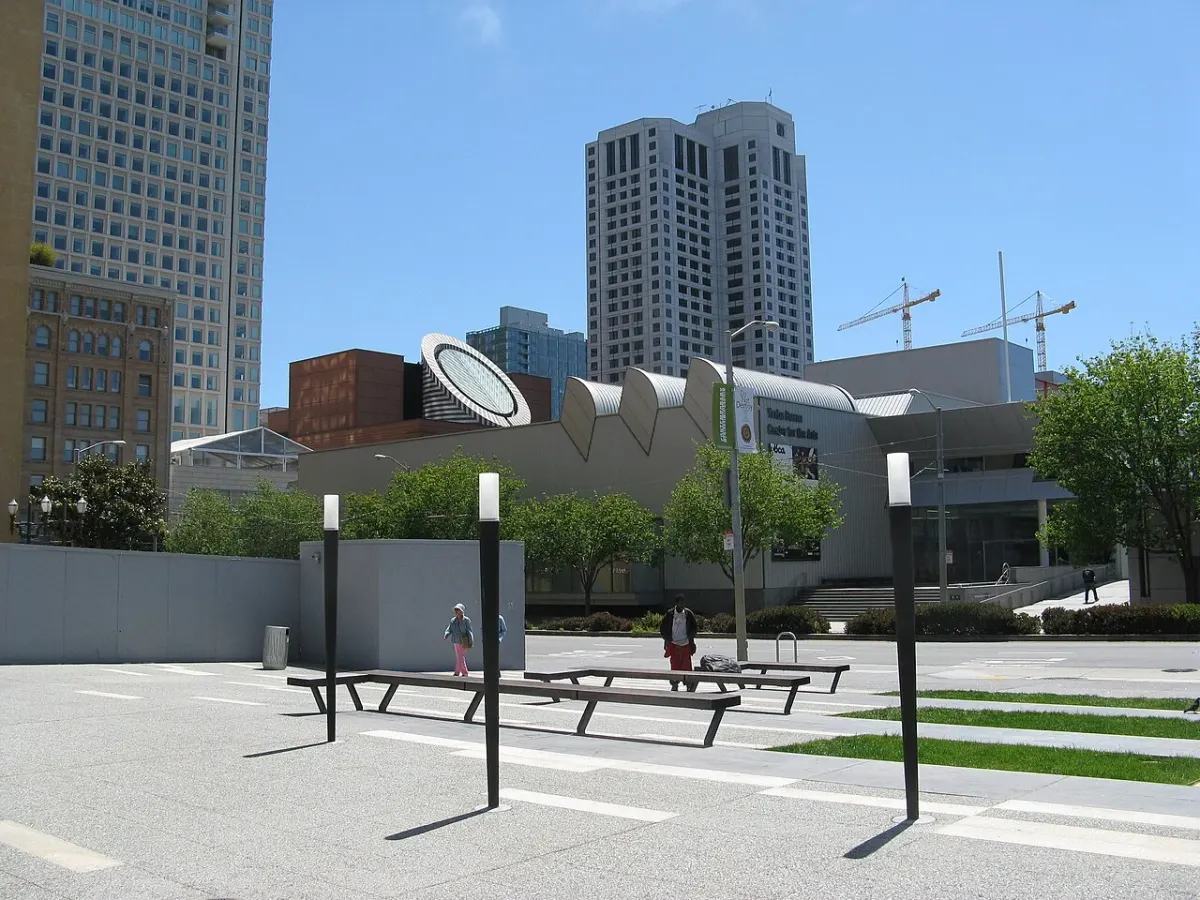
SFMOMA's exhibition builds around Henri Matisse's 1905 portrait of his wife, Amélie, and the arguments its color and brushwork provoked. The selection suits visitors who would rather follow one painting into its historical setting than skim a general history of modern art.
Matisse's Femme au chapeau: A Modern Scandal ran from May 16 through September 27, 2026 on Floor 4. The closing date made it one of September's more time-sensitive museum choices, ahead of a permanent-collection visit that could wait.
The museum describes a restaging of the painting's 1905 Paris debut, bringing work by Matisse together with artists including André Derain, Albert Marquet and Maurice de Vlaminck. It also follows the painting's influence into later work, including connections to Bay Area artists. That is a broader proposition than simply standing in front of a famous portrait.
For practical planning, consult SFMOMA's visit page for the ticket options and opening hours that apply to your date. The museum's exhibition page also links to Matisse: The Wild Palette, a Google Arts & Culture collaboration, and a painting interactive. Those digital resources offer a way to explore the subject from home after the physical exhibition closes. They are separate experiences, so do not expect the entire gallery presentation to be reproduced online.
The portrait in its 1905 company
SFMOMA's selected-work information includes Matisse's Open Window, Collioure, also dated 1905, and Maurice de Vlaminck's Woman with a Hat from the same year. The repeated date makes this a useful comparison within a particular moment. The works place the portrait alongside other uses of color from the same year.
The landscape and portrait pose different problems. A window can divide the image into openings, frames and the view beyond. A face gives the viewer familiar expectations about skin, shadow and expression. Color has a different role in each setting, describing space in one and a familiar face in another.
The exhibition's restaging of the 1905 Paris debut also changes the role of the famous painting. A museum reproduction usually isolates a single work. A historical grouping lets a visitor compare the company it kept when the public first encountered it. SFMOMA uses loans and its own holdings to recreate some of that artistic company.
| Option | What it offers |
|---|---|
| Exhibition through September 27, 2026 | The Floor 4 gallery presentation |
| Linked digital companion | An introduction to the painting's context after the physical show |
The woman under the hat
Amélie Matisse had professional experience with the object that gives the painting its title. SFMOMA's history of the portrait says she worked in her aunt's Paris millinery shop and ran her own hat business from 1899 to 1902. The museum treats her authorship of the painted hat as an assumption, not an established fact.
Her work changes how the portrait can be understood. The hat is connected to the sitter's own occupation and taste as well as to her husband's decisions about color. Describing Amélie only as a model leaves out that part of the picture's history.
The same museum account traces the canvas through the Stein family. Leo and Gertrude Stein bought it from the 1905 Salon; Sarah and Michael Stein later owned it and brought it back to the Bay Area in 1935. It appeared at the young San Francisco museum in 1936, long before it formally entered the collection through Elise S. Haas's bequest in 1991. The local connection therefore extends beyond the fact that SFMOMA owns a famous French painting.
There is also a specific Bay Area comparison. Richard Diebenkorn encountered the portrait at Sarah Stein's Palo Alto home in 1943; the exhibition included his Woman in Hat and Gloves from 1963. A related title and figure composition make that connection more concrete than a general claim of influence. The later work belongs to another artist, place and moment, while retaining an identifiable conversation with Matisse's subject.
For readers coming to the story after September 27, the exhibition itself has closed. The linked digital companion remains the appropriate starting point for its interpretation; the museum's current visit page is for a new visit, not a ticket to the former Floor 4 show.