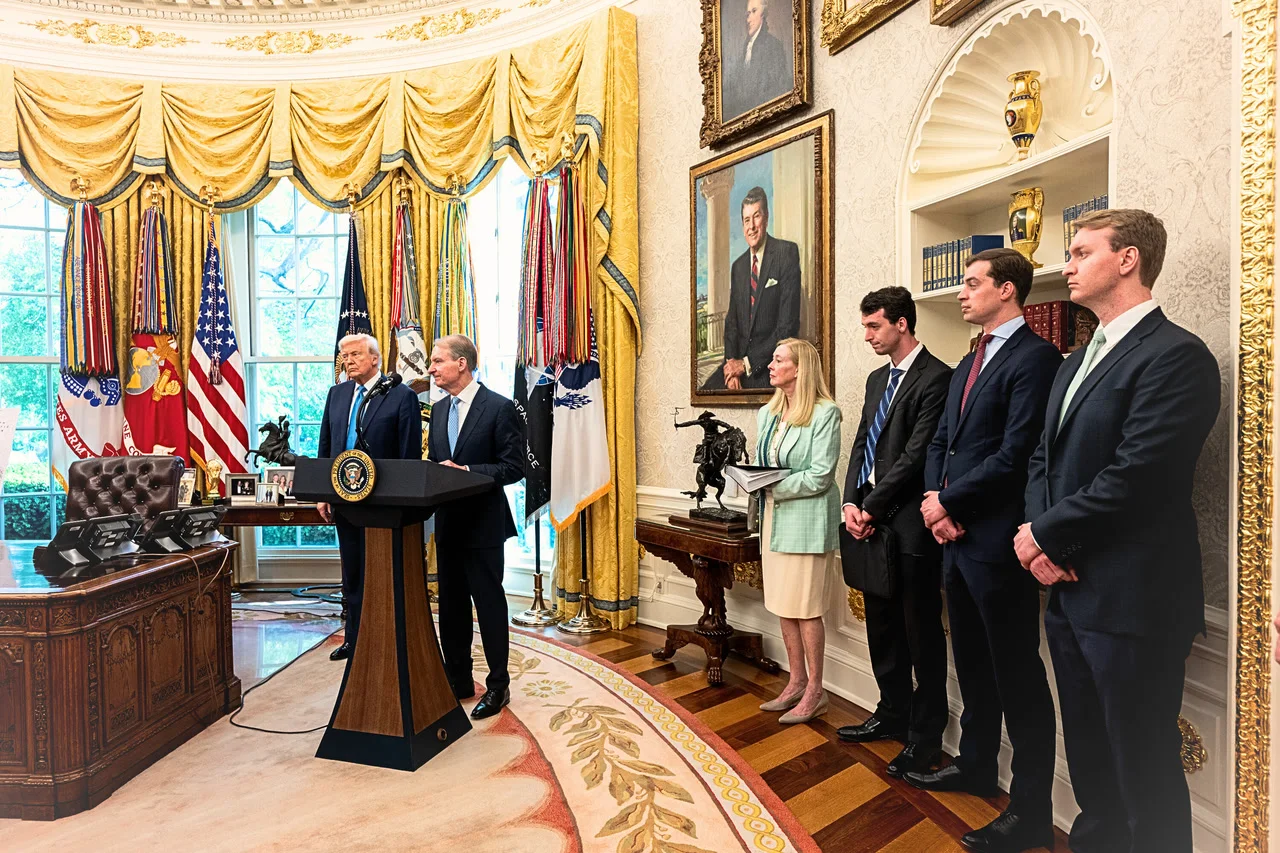
President Trump said on Saturday, Nov. 28, that Securities and Exchange Commission Chairman Paul Atkins "will soon be making that term mandatory," meaning "Super Intelligence" in place of "Artificial Intelligence." He made the claim in a Truth Social post at 2:03 p.m. Eastern, a minute after another post saying "Super Intelligence will always win out over Artificial Intelligence."
The renaming itself is two months old. Trump signed Executive Order 14434, "Inaugurating the Era of Super Intelligence," on Sept. 29. It set a 60-day deadline that ran out on Saturday, the same day as the posts.
What the executive order requires
Federal departments and agencies must now say "Super Intelligence" and "SI" where they used to say "Artificial Intelligence" and "AI." That covers their letters, public statements, websites, reports and policy papers, along with other documents that are not themselves law. It says the executive branch "will not acknowledge" the old terms "in any applicable setting." Every instruction carries the same limit: "to the maximum extent permitted by law."
It does not ask agencies to rewrite the past. Older regulations, presidential actions, contracts, grants and historical documents stay as they are, and the order says it creates no right that anyone can enforce in court.
The new name also does not change what the government is talking about. For now, "Super Intelligence" legally means the same technology covered by the existing federal definition of artificial intelligence in 15 U.S.C. 9401(3): a machine-based system that makes predictions, recommendations or decisions for objectives set by people.
The 60-day deadline
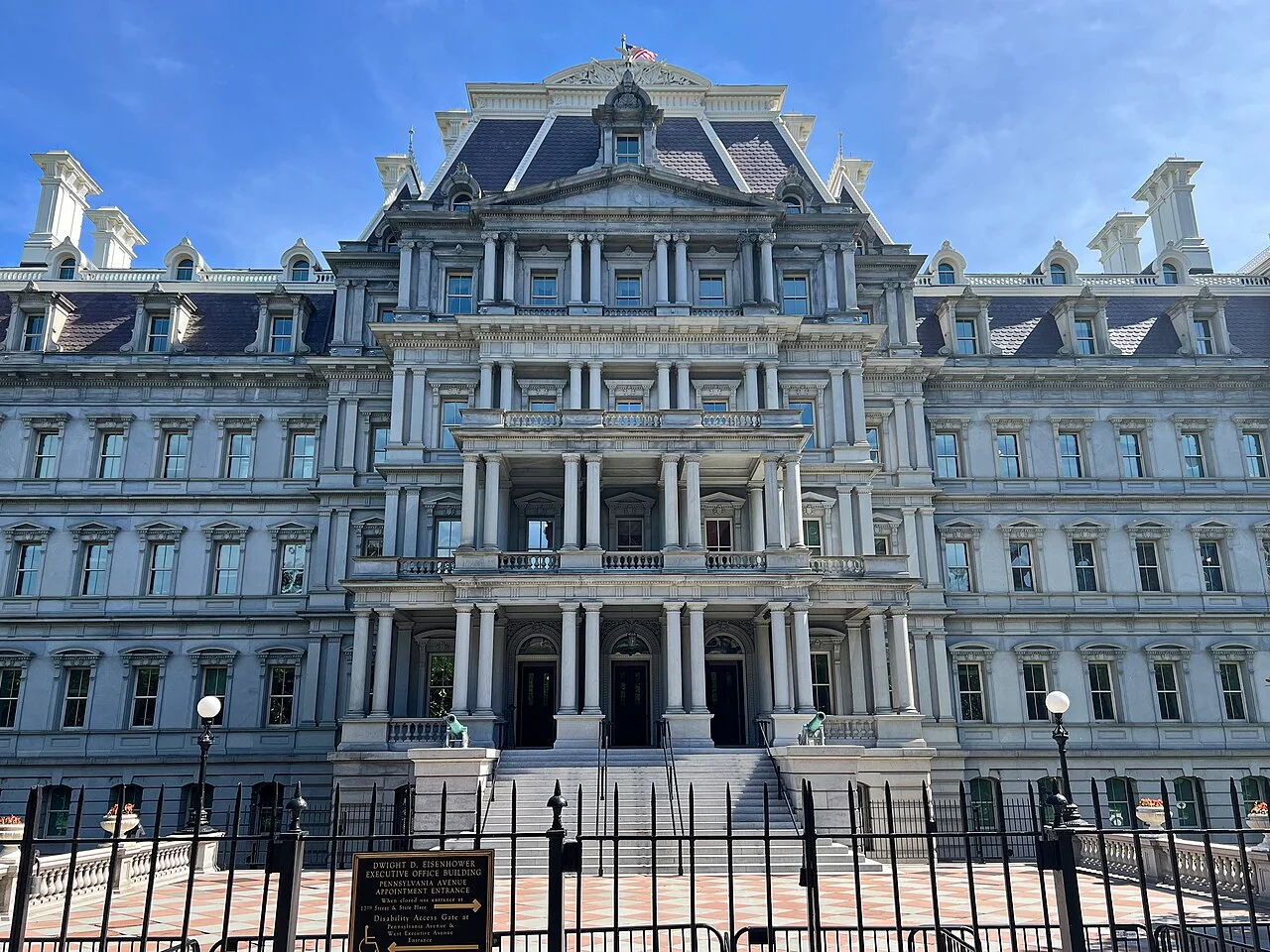
The order gave the Assistant to the President for Science and Technology 60 days to send the president proposed legislative language for a federal definition of "Super Intelligence." Counting from Sept. 29, that deadline is Nov. 28.
The proposal has to address three things: whether the new definition should change or replace the statutory definition of artificial intelligence, what conforming changes existing laws would need, and what more the president or agencies should do. It goes to the president, and the order does not require it to be published.
Changing the wording of federal law would take an act of Congress.
Where the new name already shows up

| Place | What changed |
|---|---|
| AI.gov | Now redirects to SI.gov, "America's home for Super Intelligence policy" |
| White House fact sheets | The Sept. 29 fact sheet describes the 2025 AI Action Plan as identifying actions "to win the SI race" |
| First Lady's student contest | The Presidential AI Challenge became the 2027 Presidential SI Challenge, launched Oct. 13 |
| SEC | Its Oct. 19 release announced a Nov. 9 roundtable on "Machine-Understandable Data in the Age of Super Intelligence" |
The SEC was using the new term in its own announcements weeks before Saturday's post. Its press releases through Nov. 25 do not announce any rule, proposal or guidance that would make the term mandatory for anyone else.
What the order does not reach
The order is written for the executive branch. It does not tell companies, schools, researchers or the public what to call the technology, and the statutes Congress has passed still say "artificial intelligence."
Trump's post did not say what an SEC mandate would cover, whom it would apply to or when it would come. Edit USA will report any SEC action on the term once the agency publishes it.