U.S. banks collected $1.6 billion in overdraft fees in the third quarter of 2026, according to a Reuters analysis that banking data provider KBRA Financial Intelligence confirmed. That was 9.4% more than in the previous quarter and the highest quarterly amount in four years. The two largest amounts, $590 million combined, came from JPMorgan Chase and Wells Fargo, according to the banks’ regulatory filings cited in the analysis.
If a payment puts your checking account in the red, the two banks give you until the next business day to avoid many fees. They set different deadlines and balance requirements. The kind of payment matters too. A debit card purchase at the grocery store and a monthly bill charged to the same card can fall under different rules.
Which overdrafts require your permission
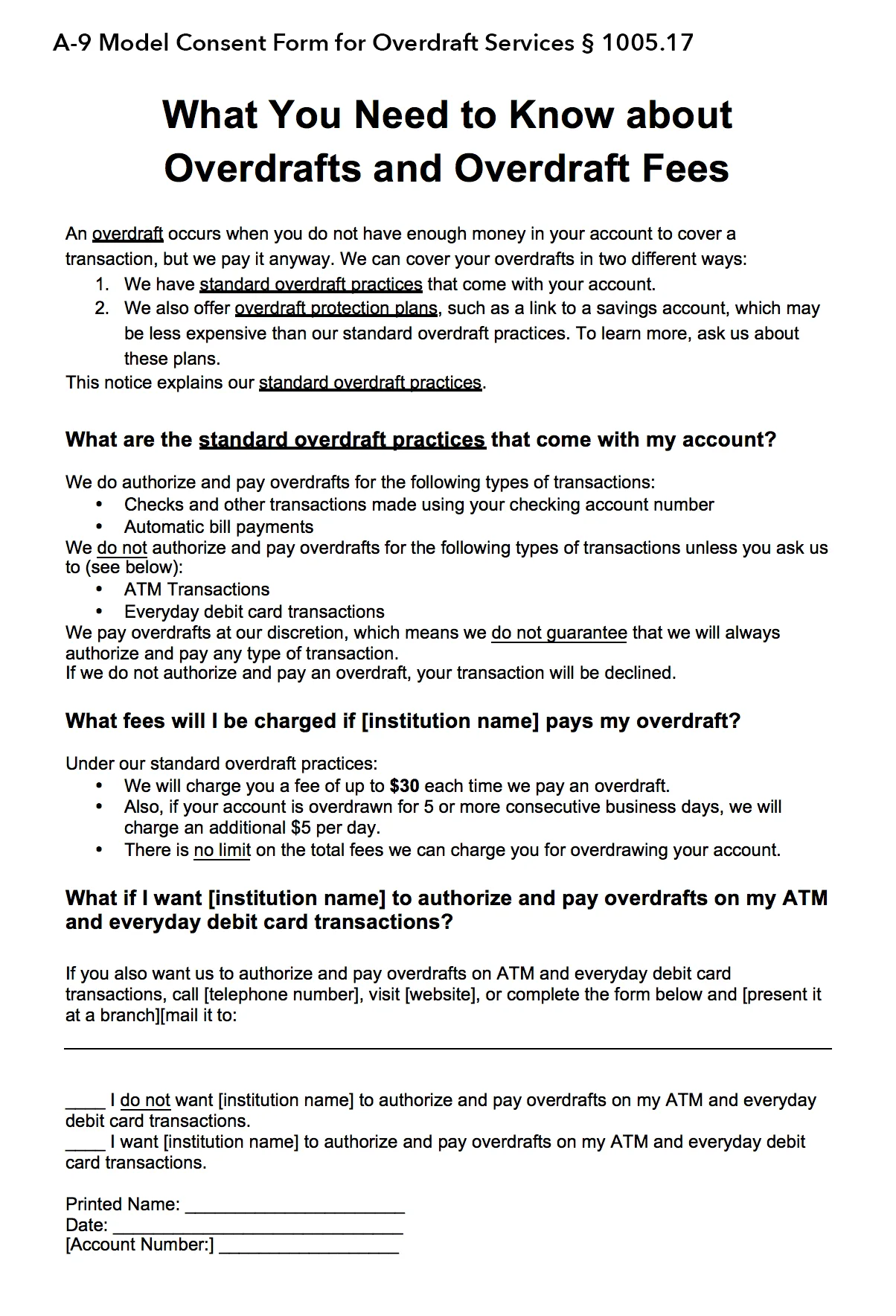
Under Regulation E, a bank or credit union needs your affirmative consent before it can charge an overdraft fee for paying an ATM withdrawal or a one-time debit card purchase. That includes one-time debit purchases online. If you opt out, the institution can decline the payment or let it go through without charging an overdraft fee. Even with consent, the institution can decline a transaction.
Checks, recurring debit card payments and automatic transfers through the ACH network are outside that specific opt-in rule. Depending on your account, the bank can pay one of those transactions and charge an overdraft fee. It can also return the payment unpaid. A merchant or biller may have its own returned-payment charge.
You can withdraw your consent to ATM and one-time debit card overdraft coverage. If a fee appears on one of those transactions and you don’t remember opting in, ask the bank to show its record of your consent. The Consumer Financial Protection Bureau explains how to dispute the charge and where to file a complaint.
Chase and Wells Fargo’s next-day deadlines
Chase lists a $34 fee per eligible paid item, up to three per business day. It waives the fee on transactions of $5 or less. On eligible checking accounts, Overdraft Assist also waives fees if the account ends the business day $50 or less in the red. If the shortfall is bigger, make a deposit or transfer before 11 p.m. Eastern, 8 p.m. Pacific, the next business day that brings the shortfall down to $50 or less.
Wells Fargo lists a $35 fee per eligible paid item, also up to three per business day. It waives the fee on items of $10 or less, and when both the ending daily account balance and available balance are $10 or less in the red after processing. If a fee is pending, the Extra Day Grace Period gives you until 11:59 p.m. Eastern, 8:59 p.m. Pacific, the next business day to bring the available balance above zero and clear all pending overdraft fees. If you cover only some items, Wells Fargo applies the money in posting order and may charge for the remaining items.
Take one $80 check that a bank pays from an account with $20. It leaves a $60 shortfall. On an eligible Chase account, $10 received by the deadline brings the shortfall within its $50 cushion. At Wells Fargo, $61 available by its deadline would bring the balance to $1 and clear the pending fee. Both examples assume no other activity. A deposit hold or another pending debit can change what the bank counts by the cutoff. Wells Fargo defines business days as Monday through Friday, excluding federal holidays.
What a checking account with no overdraft fee can do
Some accounts have no overdraft fee, including Capital One 360 Checking. Its optional No-Fee Overdraft service can cover some payments at the bank’s discretion. To qualify, you need to deposit at least $250 in each of two of the previous three calendar months. The bank also offers automatic declines and free transfers from an eligible linked savings account. If you depend on overdraft coverage for a bill, check which option is on and whether that type of payment qualifies.
How today’s fee revenue compares with earlier years
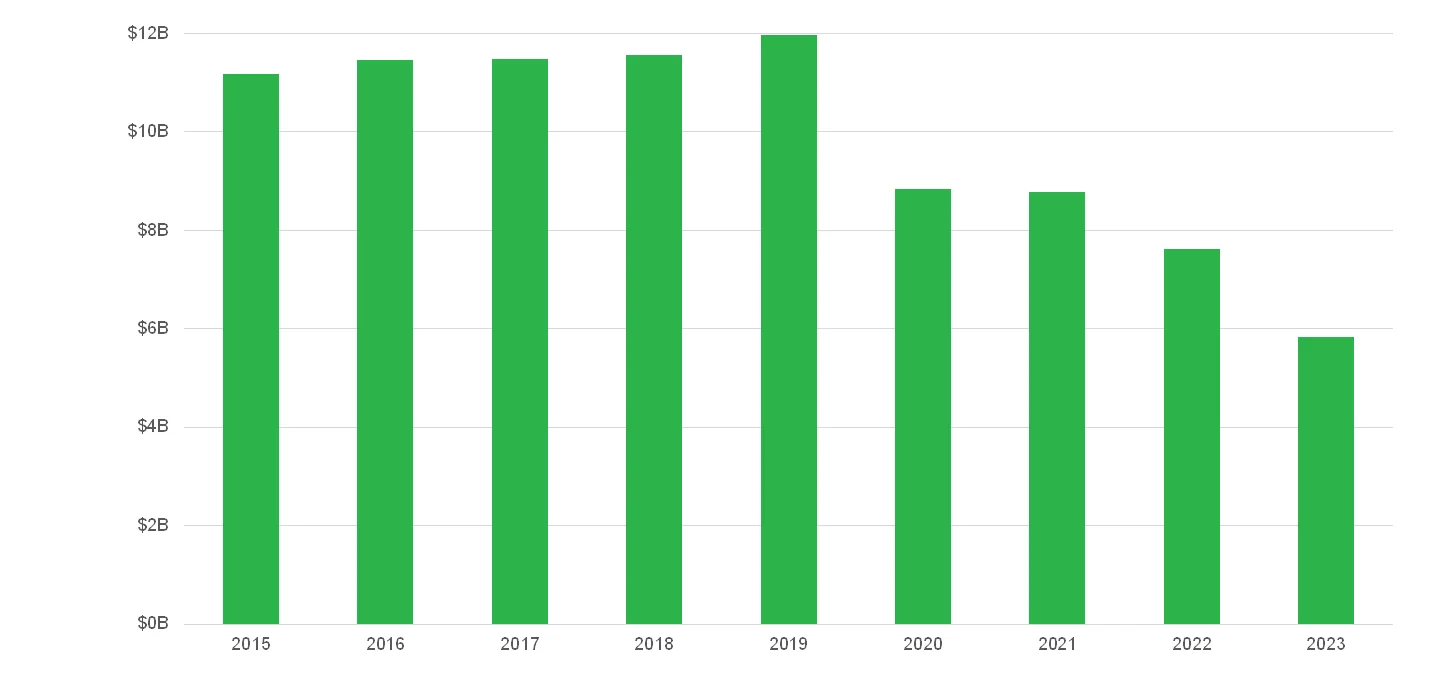
In a separate study of reporting banks, the CFPB found that annual revenue from overdraft and nonsufficient-funds fees fell from $11.96 billion in 2019 to $5.83 billion in 2023. Those figures cover full years and combine two kinds of charges. The new Reuters figure covers a single quarter.