Tasty Chick'n changed its proposed restaurant lease and franchise rejections in a November 18 court filing, as the KFC operator works through a bankruptcy involving restaurants in 10 states. Separate court orders permit customer programs and employee payments to continue, with conditions.
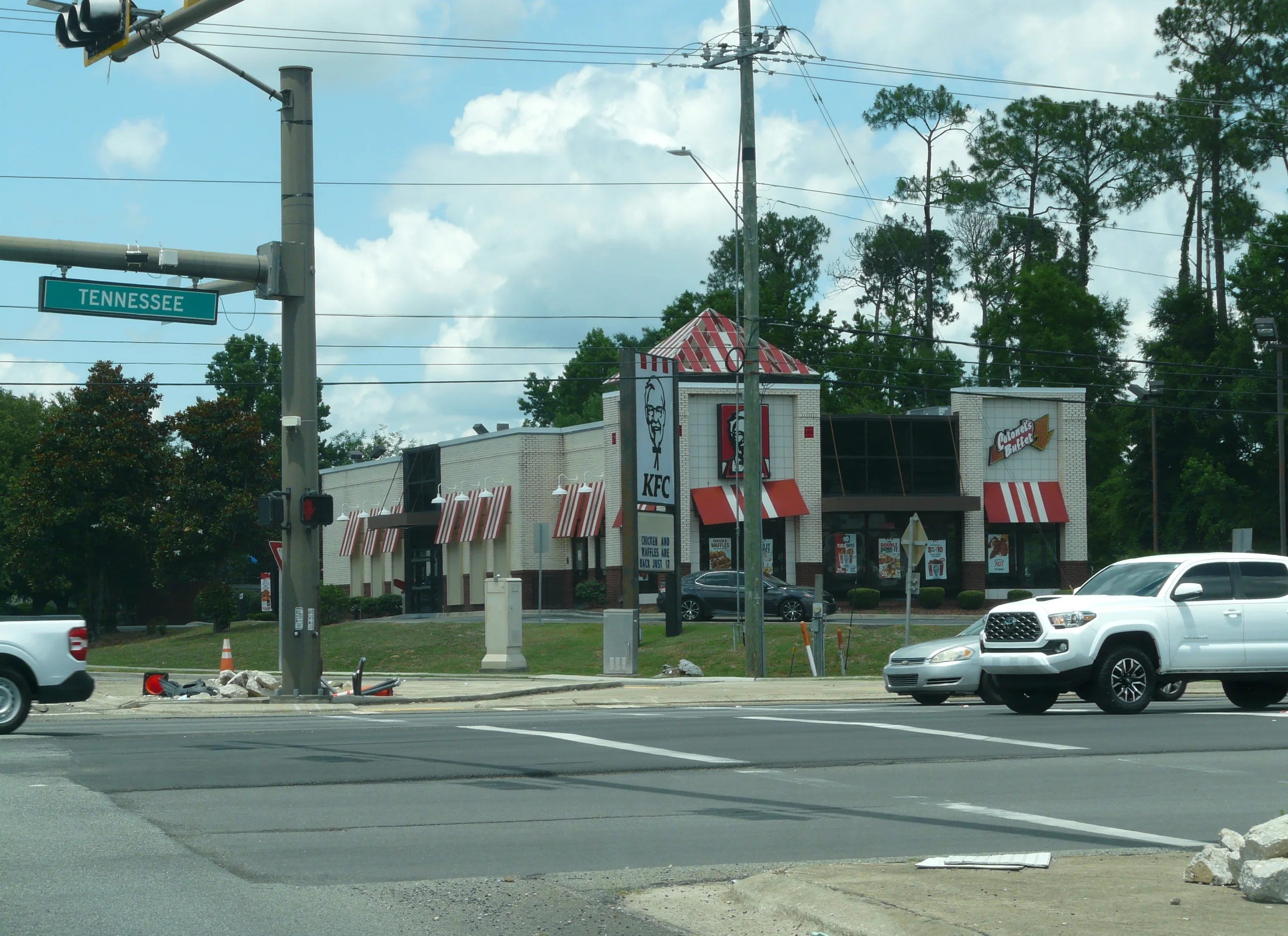
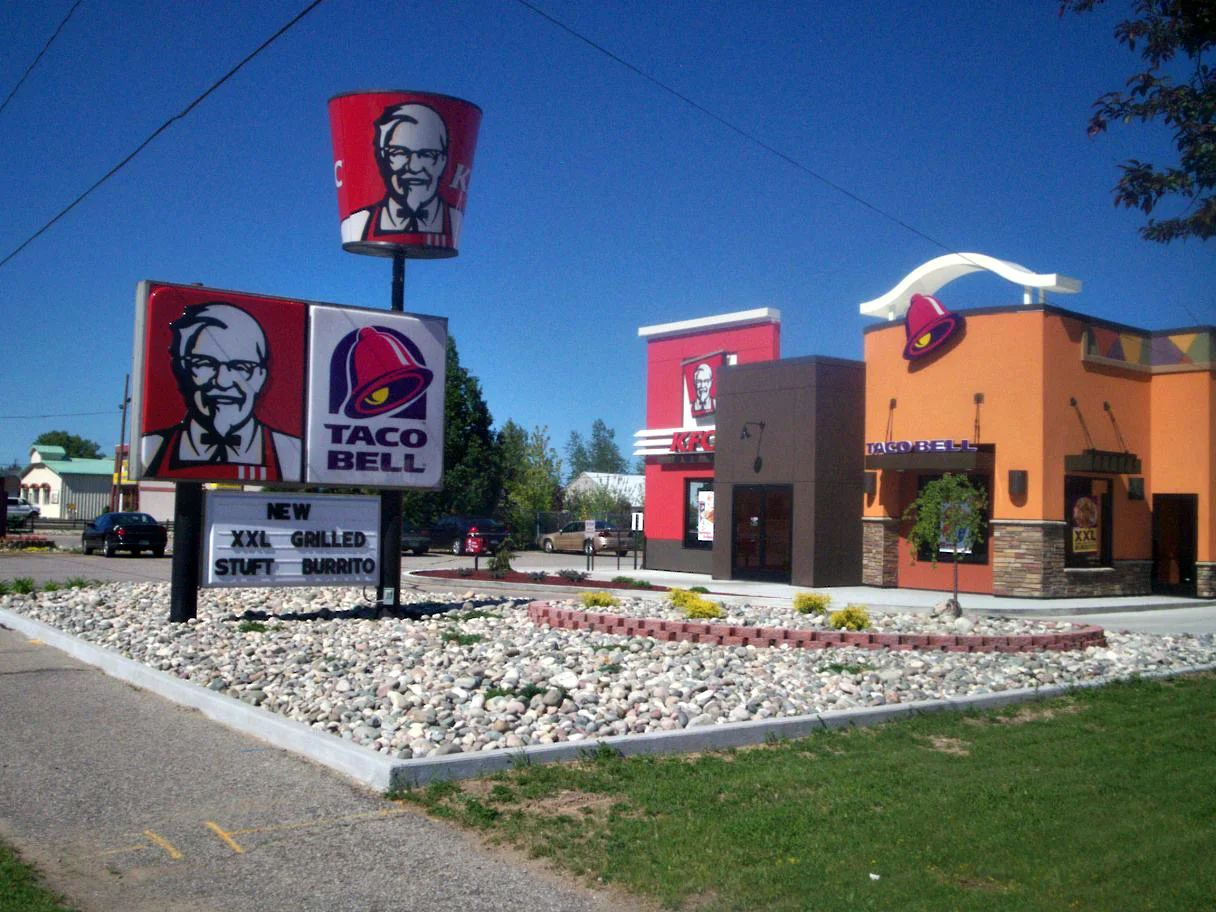
The company and three related entities filed Chapter 11 on November 16. Their portfolio comprised 84 restaurants: 75 KFCs and nine KFC/Taco Bell combinations, according to chief executive Thomas M. Scott's court declaration. The debtors operate in Tennessee, Florida, Virginia, Arkansas, Kentucky, Illinois, Missouri, Alabama, Mississippi and Indiana.
Those numbers describe this franchise operator's portfolio. They are not a list of 84 confirmed shutdowns or a bankruptcy filing by the KFC brand's parent.
What changed in the proposed closures
The November 18 supplement removes the lease and related franchise agreement for 1599 Union Avenue in Memphis from the proposed rejection list. It adds 1705 Emmet Street North in Charlottesville, Virginia.
The filing also identifies eight premises where cleanup and removal of company property were incomplete. The operator expected to surrender seven by November 20 and the Osceola, Arkansas, location by November 21. These are wind-down deadlines, not promised final days of food service.
The rejection hearing was continued to November 23 at 1 p.m. Central to give landlords more notice. The revised list remains a request for court approval.
What the gift-card order permits
A November 17 customer-program order authorizes the debtors to continue their programs and honor obligations from before the bankruptcy. It also permits ordinary-course changes or termination. That authority does not require every payment or promise that every promotion will continue indefinitely.
Gift cards have a separate arrangement. Scott's declaration says Wolfe Merchant Solutions is the issuer and obligor; the restaurants redeem cards and receive reimbursement through settlement. Rewards discounts and free food, by contrast, are costs borne by the restaurants.
If the debtors stop honoring or alter or terminate the gift-card program, the order requires a court notice and notice on the company and claims-agent websites. While a hearing on termination is pending, the debtors must stop selling or distributing gift cards.
For customers, a bankruptcy headline alone therefore does not establish that a card has been canceled. The relevant evidence is the program's terms, the participating restaurant and any subsequent notice or order.
What employees can learn from the wage order
The court's separate November 17 workforce order permits the debtors to pay specified obligations from before the filing and continue workforce programs in the ordinary course. It also allows changes to those programs within the order's terms.
The order is permission to make payments, not proof that a particular paycheck has cleared or a guarantee that a job will remain. It restricts payments above applicable bankruptcy priority limits without further court approval. Insider bonuses and payments outside the ordinary course also require prior approval.
Why the operator sought protection
Scott reported sales declines of 11.4% in fiscal 2024, 1.4% in 2025 and 2.8% in fiscal 2026 to date. Store-level margins fell from 11.8% in fiscal 2023 to 4.0% in fiscal 2026 to date. His declaration describes a court-supervised sale process, potentially involving the portfolio or individual markets, alongside other restructuring alternatives.
Chapter 11 generally lets a debtor remain in possession and operate while pursuing reorganization under court supervision. Affected creditors may vote on a reorganization plan. Court confirmation also requires compliance with bankruptcy law; filing the petition is only the beginning of that process. A filing does not establish the eventual buyer, approved plan or outcome for every location.
The case website had not established a deadline for filing claims when checked November 18. Creditors should use its court notices for the applicable deadline.
The official case docket separates requests from signed orders. The next scheduled hearing on the revised lease and franchise rejection request is November 23.