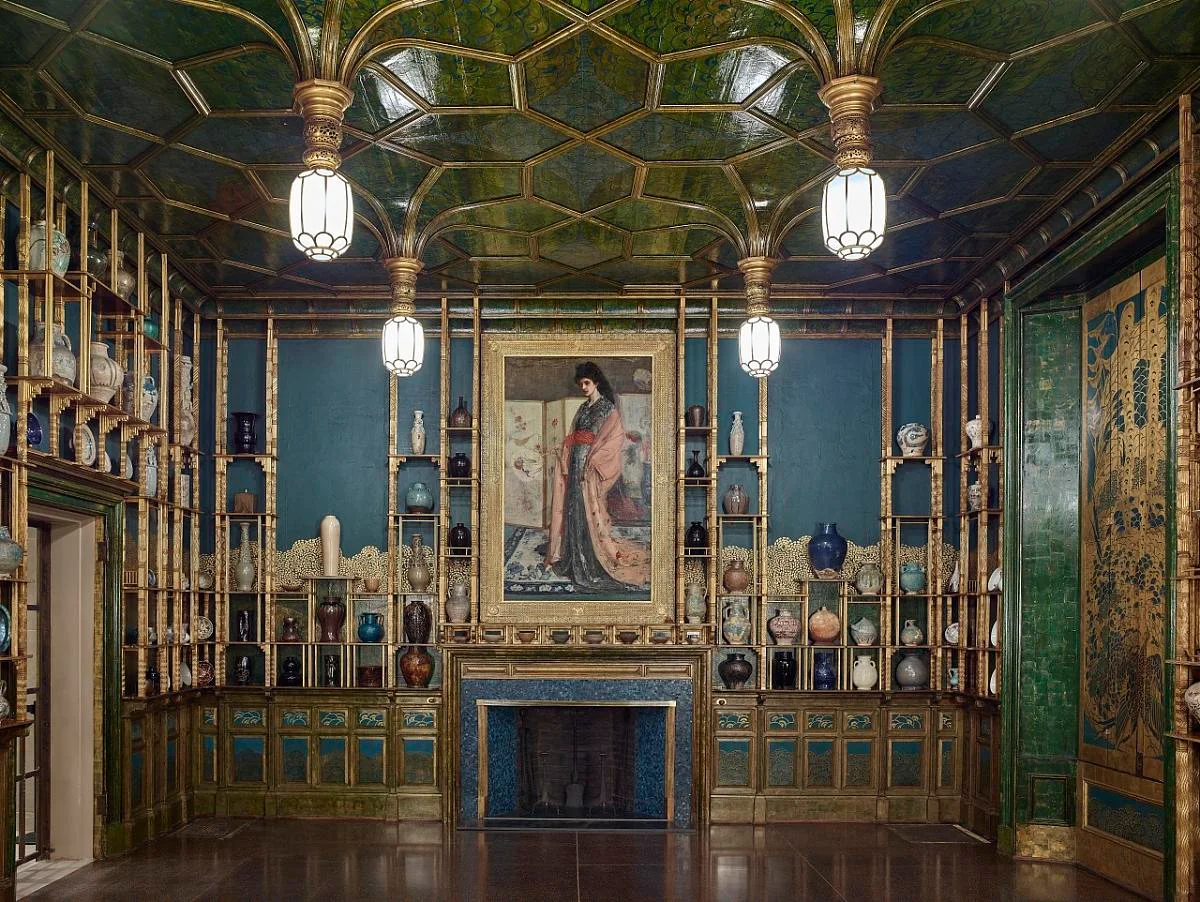
The Peacock Room, James McNeill Whistler's blue-and-gold dining room at the Smithsonian, will gain a virtual version on February 12, 2027. The National Museum of Asian Art's October 29 announcement sets a Washington debut for "A Gorgeous Surprise: The Peacock Room in VR," marking the room's 150th anniversary.
The original cannot go on tour. Charles Lang Freer's bequest requires his founding collection, including the room, to remain at the museum. The digital version is intended to reach partner institutions internationally and eventually become available on the museum's website. Dates for those releases have not been announced.
What the virtual room will do
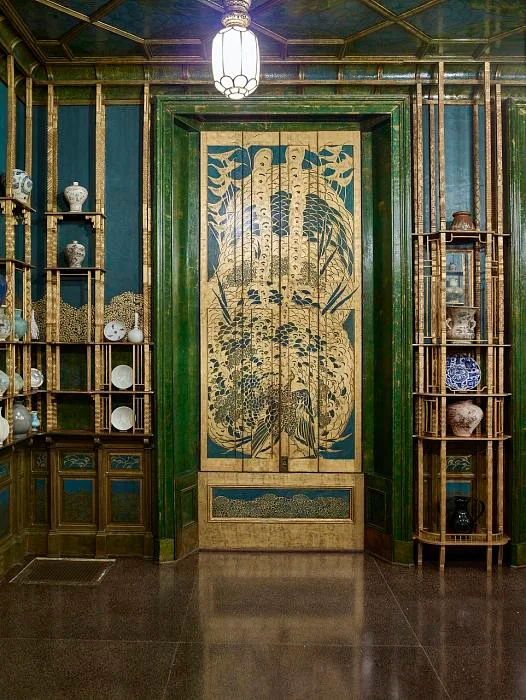
The museum describes a headset experience with close views of the architecture, wall designs and ceramics, accompanied by audio about the room's history. Whistler's painting The Princess from the Land of Porcelain will include animation, with its subject moving beyond the canvas.
The installation opens alongside the museum's "James McNeill Whistler" retrospective. The announcement does not give VR session lengths, reservation requirements or headset age limits. Online availability is a later phase.
A dining room became a dispute
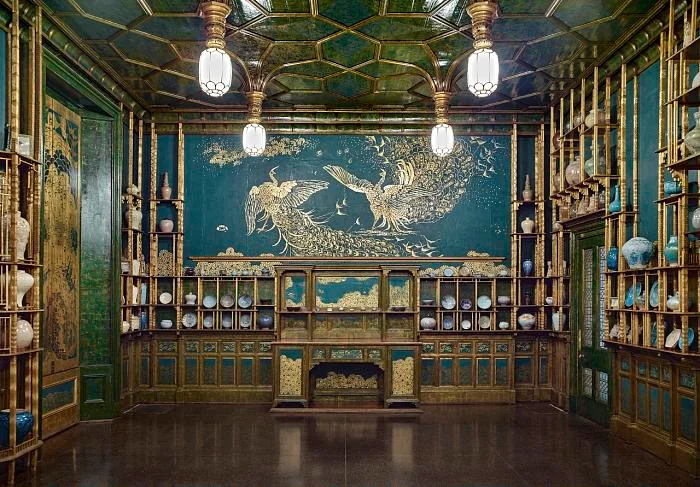
The room began in the London home of shipowner Frederick Leyland, who collected Chinese blue-and-white porcelain. Architect Thomas Jeckyll designed its shelving. When illness prevented Jeckyll from completing the work, Whistler took over what began as limited alterations, according to the museum's collection record.
Whistler extended his designs across the ceiling, shelves and shutters, treating the interior as a three-dimensional painting. The resulting work, dated 1876 and 1877, combines painted surfaces and gold decoration with the ceramics it was built to display. Its materials include canvas, leather, mosaic tile, glass and wood.
The decoration and its cost helped destroy the relationship between artist and patron. In Alicia Ault's 2024 reporting for Smithsonian Magazine, art historians describe how Whistler's expanding ambitions collided with Leyland's expectations. Leyland paid half the amount Whistler sought and barred him from the house.
The quarrel survives on the south wall. Two golden peacocks stand for the men: the aggressive bird with coins at its feet represents Leyland; the bird with a white crest represents Whistler. The mural's title, Art and Money; or, The Story of the Room, makes the argument part of the decoration.
London, Detroit, Washington
The room has moved before. Freer bought it in 1904, had it dismantled and shipped to Detroit, and installed it in his home. He used its shelves for his own ceramics, changing the objects visitors saw within Whistler's design.
After Freer's death in 1919, it was installed in the Freer Gallery of Art, which opened to the public in 1923. The changing ceramics mean that its history includes different collections as well as different addresses.
For a Washington visit, the National Museum of Asian Art lists daily hours of 10 a.m. to 5:30 p.m., with a December 25 closure. General museum admission is free and does not require tickets. VR booking arrangements have not yet been specified.