Florida voters approved Amendment 3 on Tuesday, a constitutional change that will exempt far more of a primary home's value from non-school property taxes, the levies of counties, cities and special districts, starting in 2027. In unofficial state results, the measure had 4,899,061 yes votes, or 62.01%, against 3,001,030 no votes. Constitutional amendments in Florida need 60% to pass.
The count stood at 98.81% of precincts reporting statewide, and the results stay unofficial until the state certifies them. The amendment's own schedule makes it effective Jan. 1, 2027.
What changes on a homestead tax bill
The amendment's full text rewrites how the homestead exemption works. School taxes keep the current $25,000 exemption, while local government levies get a much larger one. The first bills affected are those based on the 2027 tax roll.
| Part of the bill | 2026 | 2027 | 2028 |
|---|---|---|---|
| School taxes | First $25,000 of assessed value exempt | $25,000 | $25,000 |
| County, city and other non-school taxes | First $25,000, plus value between $50,000 and $76,411 | $150,000 | $250,000, adjusted for inflation from 2029 |
| Yearly cap on assessment increases for non-homestead property, non-school taxes | 10% | 5% | 5% |
The $76,411 figure is the 2026 inflation-adjusted top of the current second exemption, as listed in the state's revenue analysis.
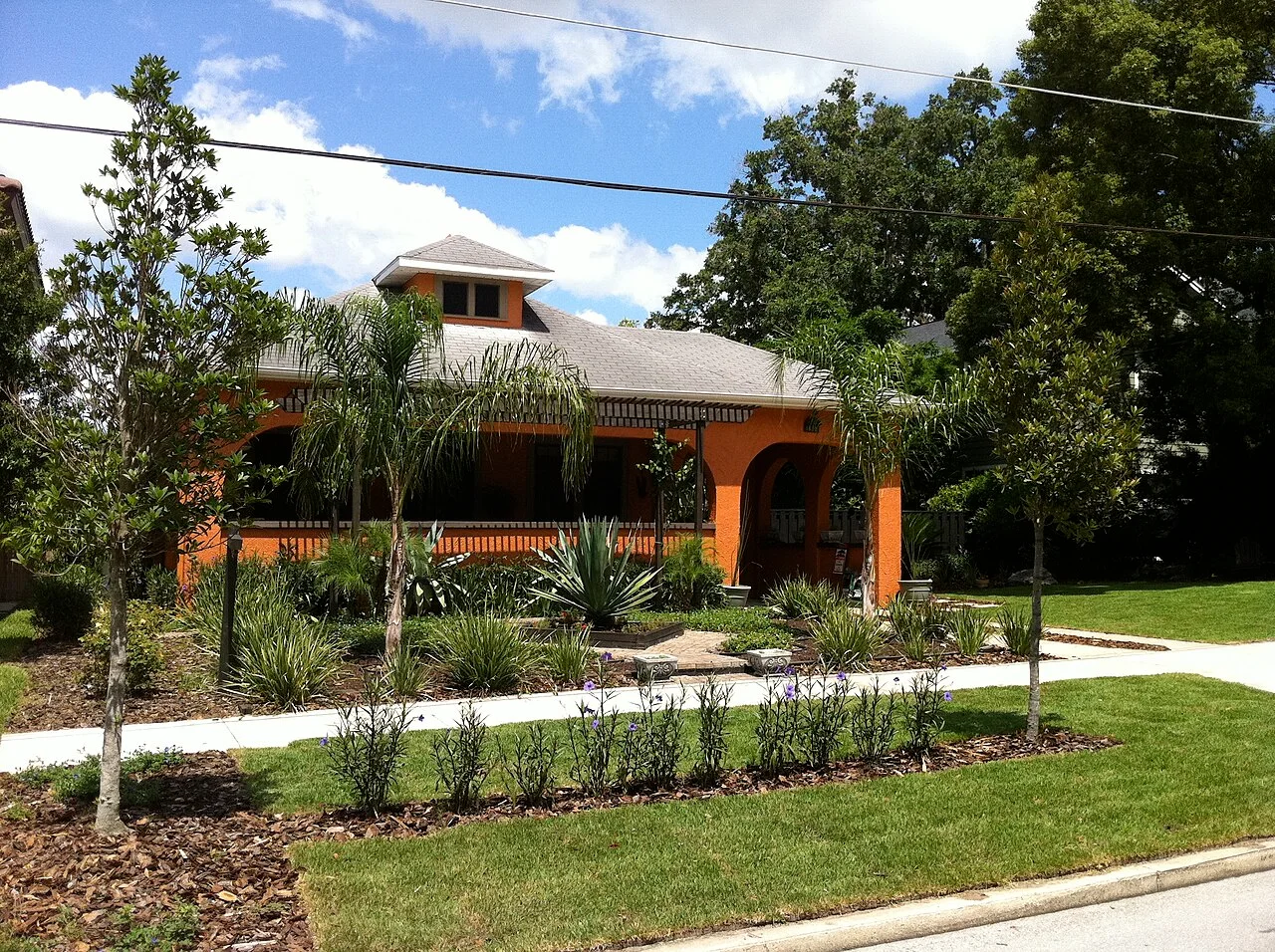
Take a homestead assessed at $400,000. Today, $51,411 of that is exempt from non-school taxes, which leaves $348,589 taxable, and in 2028 the exemption becomes $250,000, so the taxable amount falls to $150,000. School taxes would still apply to $375,000.
What that does to a bill depends on local tax rates. At a combined non-school rate of 10 mills, or $10 per $1,000 of taxable value, the non-school portion of that example would fall from about $3,486 to $1,500. Assessed value is usually lower than market value for long-time owners, because Florida already limits how fast a homestead's assessment can rise.
The exemption covers only a primary home. Owners of second homes, rentals and commercial property get a smaller change: starting in 2027, their non-school assessments can grow by at most 5% a year instead of 10%, which slows how fast those tax bills can climb when values rise.
People moving to Florida wait five years
The full exemption is reserved for people who were Florida residents on Dec. 31, 2026. Someone who becomes a resident later gets the $25,000 school exemption and a $50,000 exemption from non-school taxes. The larger exemption applies beginning in that owner's fifth year of claiming the homestead.
Starting in 2030, a county or city commission can shorten that wait for its own taxes by a two-thirds vote, if it finds a "critical local need."
What it costs counties and cities
Florida's Revenue Estimating Conference, which prices tax changes for the Legislature, put the long-run cost at $11.83 billion a year in non-school property tax revenue. Counties, cities and special districts absorb it. The cash loss starts at $4.93 billion in the 2027-28 budget year and grows to $10.71 billion by 2030-31. School district revenue is unaffected because the school exemption stays at $25,000.
The largest county hits in the estimate are in Miami-Dade, at $1.39 billion a year, and Broward, at $1.19 billion.
The amendment also limits what counties and cities can spend property tax money on. The approved uses are public safety, schools, infrastructure such as roads and stormwater, natural resource and flood projects, bond payments, employee retirement costs, and the operations of county officers and city governments. The Legislature must also write a uniform process that lets counties and cities raise the exemption further, up to a home's full assessed value, and special districts can do the same with voter approval.
The conference called the effect of those future local increases unknown, because they depend on laws the Legislature has not yet passed.
The other two amendments failed
Amendment 1, which would have raised the cap on the state's rainy-day budget stabilization fund from 10% to 25% of general revenue collections, drew 40.92% yes. Amendment 2, a property tax exemption for farm equipment and other tangible personal property on agricultural land, got 58.24%, short of the 60% threshold.