Starting January 1, adults covered through the Affordable Care Act's Medicaid expansion will have to show they meet a work requirement when they apply for coverage or renew it. States were required to start notifying enrollees months ago.
The rule is a CMS interim final rule published June 3 and in effect since July 31. It calls the requirement community engagement, it applies to the expansion adult group and to certain people covered under section 1115 waiver programs, and states must start by January 1, 2027 unless CMS grants them a good faith effort exemption.
Seven ways to meet the requirement

A month counts if a person does any one of these, or combines them to reach the total.
| Way to comply | What it takes |
|---|---|
| Work | 80 hours in the month |
| Community service | 80 hours in the month |
| A work program | 80 hours in the month |
| School | Enrolled at least half time |
| A combination | Any mix of the above totaling 80 hours |
| Income | Monthly income of at least the federal minimum wage times 80 hours |
| Seasonal work | Average monthly income over the previous six months at that same level |
The rule's definition of work covers paid employment, self-employment, independent contracting, unpaid work that is not community service, and work paid in kind rather than cash. The rule gives the example of a building superintendent who takes reduced rent instead of wages.
States have to offer every option on the list, the rule says, so a state cannot accept a work program and turn down community service.
Who is exempt
Some people are deemed compliant automatically. Others are excluded from the requirement entirely.
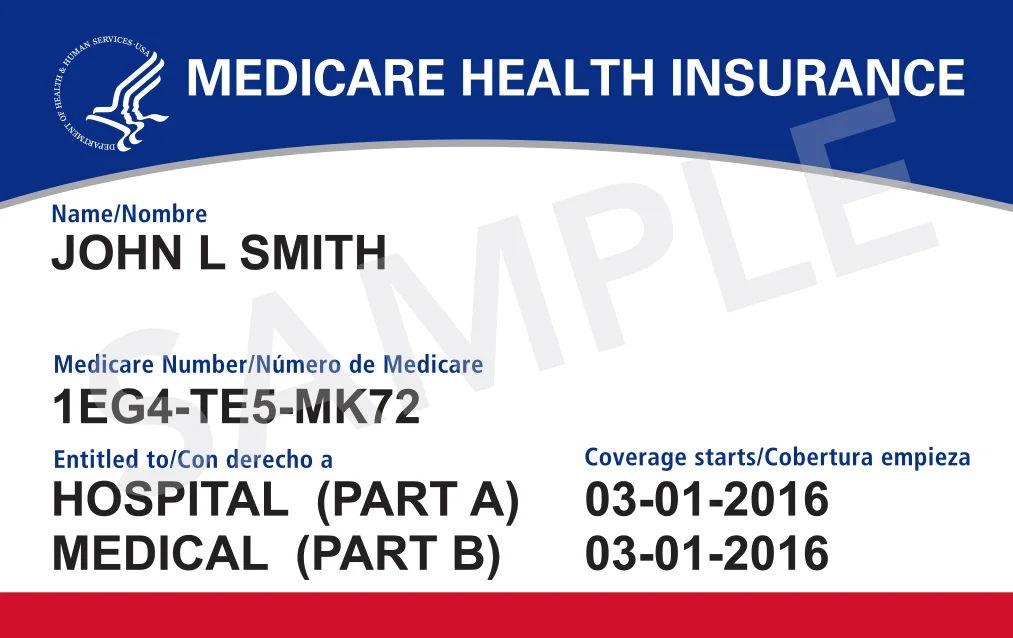
The automatic exceptions cover anyone under 19, anyone entitled to or enrolled in Medicare Part A or enrolled in Part B, and people in Medicaid's mandatory eligibility groups.
The excluded categories run to nine. Among them: former foster care youth, American Indians and Urban Indians as the statute defines them, a parent, guardian, caretaker relative or family caregiver of a dependent child 13 or under or of a disabled person, a veteran with a disability rated as total, and a person who is medically frail or who has other special medical needs.
A federal judge in Boston struck part of the medically frail provision on October 29, finding that CMS could not also require people with serious conditions to show the condition keeps them from meeting the hours. Edit USA covered that ruling when it came down. The January 1 start date was not disturbed.
States may also adopt a short-term hardship exception, though none is required to. Where a state adopts it, a person is deemed compliant for a month in which they receive inpatient hospital, nursing facility, intermediate care facility or inpatient psychiatric services, or care of similar acuity, or in which they live in a county covered by a presidential emergency or disaster declaration.
How the check works, and what happens if it fails
At application, the state looks back at between one and three consecutive months immediately before the month of application. Each state picks the number and writes it into its state plan, so the same application can face a one-month test in one state and a three-month test next door. Compliance is checked again at renewal, and states may choose to check more often than that.
If the state cannot verify compliance, it has to send a notice of noncompliance and give the person 30 calendar days to show either that they met the requirement or that it does not apply to them. Coverage continues through those 30 days.
Miss that window and the state must deny the application or end the coverage, no later than the end of the month following the month the 30 days runs out. Before it does, it has to check whether the person qualifies for Medicaid on some other basis.
Which states, and who gets more time
The requirement reaches 44 states including the District of Columbia, according to KFF's implementation tracker, which the health policy research group updated on November 3. CMS published a list in June identifying the 1115 waiver programs that are swept in, covering Georgia, Tennessee and Wisconsin, which never expanded Medicaid, plus Hawaii, Massachusetts, New York, Oregon and Utah.
A state that cannot be ready can ask for a good faith effort exemption. CMS says it will weigh those case by case and may grant extensions, but every such exemption has to expire no later than December 31, 2028.