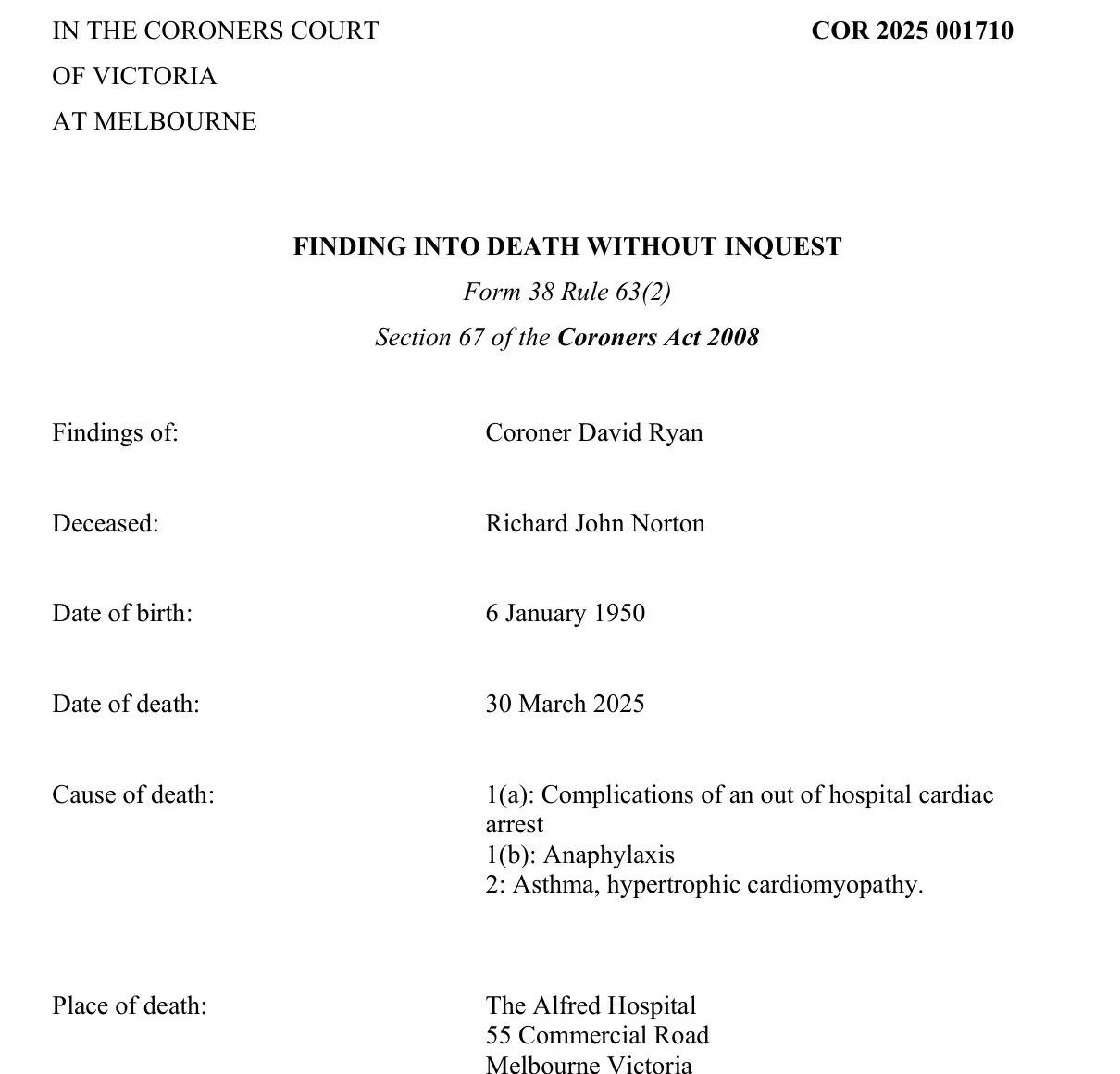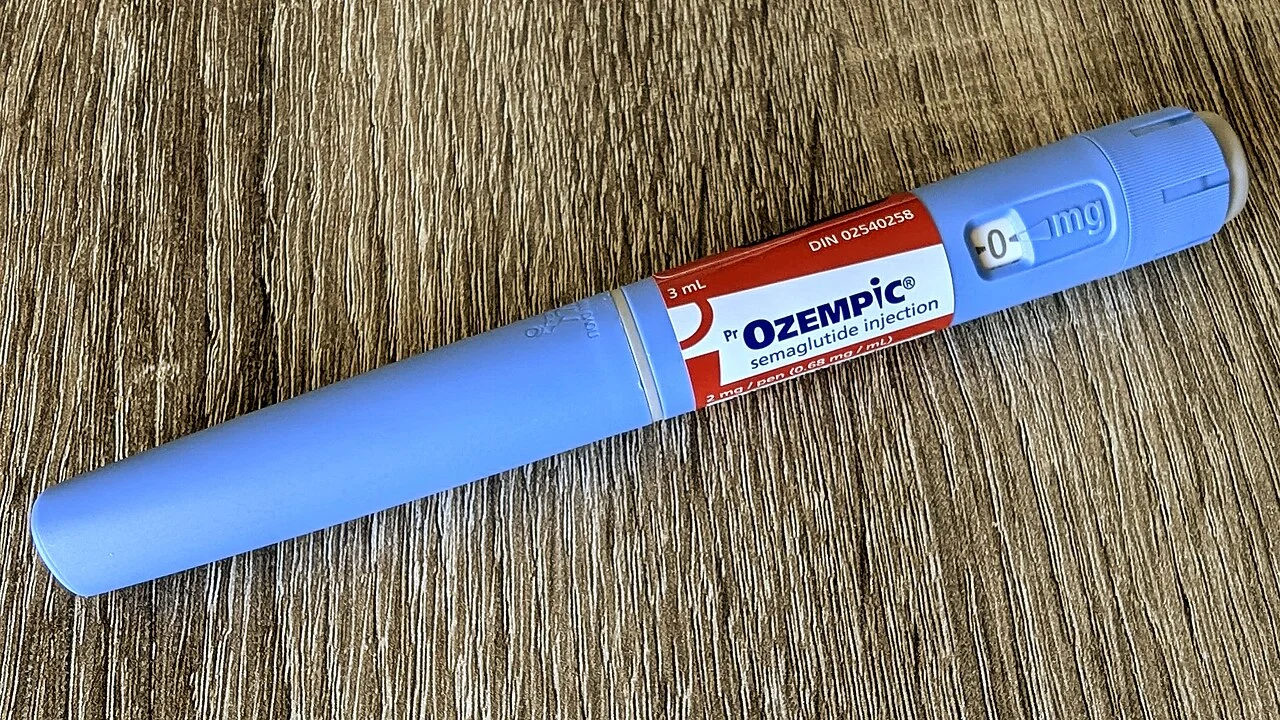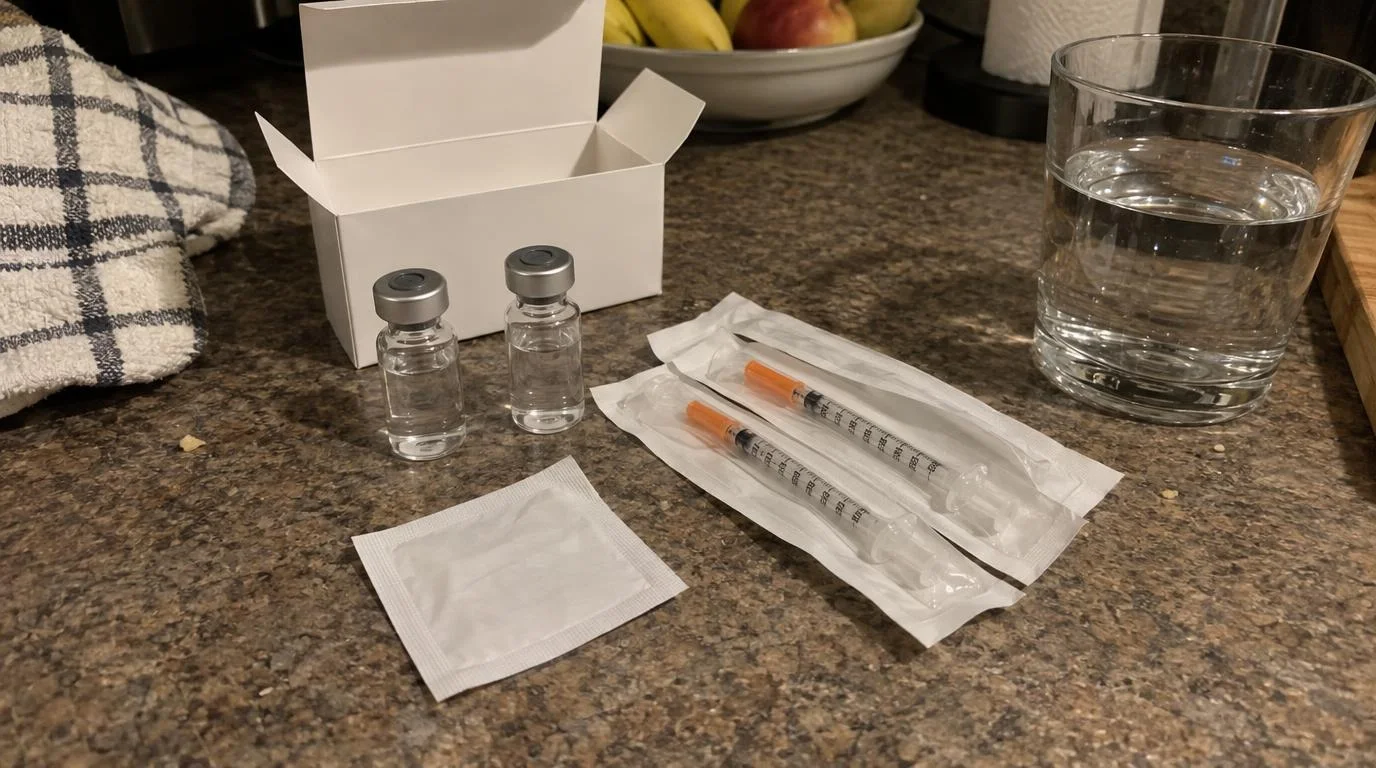
Richard Norton, the Australian martial artist, actor and stuntman, died in March 2025 after an injection of the peptide combination CJC-1295 and ipamorelin set off a severe allergic reaction that stopped his heart, a coroner in Victoria, Australia, has found. In his finding dated October 28, Coroner David Ryan also found that Norton had been injecting more than his prescribed dose, and he asked Australia's drug regulator to consider tighter limits, up to banning such peptides for human use outside research.
The finding lands the same week the US Department of Health and Human Services, citing "significant interest" in compounded peptides, moved to ease federal enforcement for some of them.
What happened
Norton, 75, saw a doctor in March 2025 about peptide therapy. He told the doctor he had used peptides before, prescribed by another practitioner, for fatigue, shoulder pain and slow recovery. The coroner's timeline:
- March 15: Norton signed a consent form that listed anaphylaxis as one of the risks of CJC-1295 and ipamorelin.
- March 19: The doctor prescribed the combination as a small injection under the skin, five evenings a week. It came from a compounding pharmacy in Queensland.
- March 28, about 4 p.m.: Norton asked the clinic to replace a vial he had broken and told a nurse he had been taking double the prescribed dose. The doctor approved the replacement by phone and added two more peptides, BPC-157 with thymosin beta-4, and TB-500.
- March 28, about 9 p.m.: After his second injection that day, Norton complained of feeling hot and flushed, then collapsed. Paramedics restarted his heart, and he died at the Alfred Hospital on March 30.
Hospital records cited in the finding say Norton had reacted since his first injection, at first with redness and swelling at the site and then with flushing over his whole body for several days. On the morning of March 28 he was flushed, his chest felt tight and he was short of breath until he used his asthma inhaler.
The autopsy found evidence of anaphylaxis, and the forensic pathologist pointed to the peptide injections as a possible trigger. Post-mortem testing could not detect the specific peptides. The coroner listed the cause as complications of a cardiac arrest from anaphylaxis, with asthma and a thickened heart muscle (hypertrophic cardiomyopathy) as contributing factors, and said he was satisfied the injection triggered the reaction.
Australia's medical board found the prescribing doctor's practice "is or may be unsatisfactory." He approved the replacement vial without checking the nurse's note about the doubled dose or calling Norton, and his records lacked detail. It cautioned him and required further training in record keeping. The doctor told the board he would no longer prescribe peptides. Australia's Therapeutic Goods Administration has received six reports of anaphylaxis or hypersensitivity in people using these peptides, including three cases of anaphylaxis with CJC-1295 and ipamorelin besides Norton's.
Where these peptides stand in the US
None of these peptides is an FDA-approved drug. On its page about compounding ingredients that may present significant safety risks, FDA says it has identified serious adverse events tied to CJC-1295, including a faster heart rate and a reaction in which blood vessels widen throughout the body, and that a published study reported serious adverse events, with death among them, after ipamorelin was given intravenously. For BPC-157 and TB-500, the agency says it lacks the information to know whether they would harm people.
On Friday, HHS published a Federal Register notice announcing a draft interim policy: it does not intend to take enforcement action against state-licensed pharmacies, federal facilities or licensed physicians that compound drugs from the peptides listed in the policy's appendix, while the list of substances pharmacies may use in compounding is set through rulemaking. HHS said it may revisit the policy if a safety signal or product quality problem emerges. Public comments are open for two weeks on regulations.gov, docket HHS-OASH-2026-0496.
What the coroner wants changed
Ryan wrote that he was "not satisfied" that peptides such as CJC-1295 and ipamorelin should be available for doctors to prescribe, given their uncertain benefits and risks. He recommended that the Therapeutic Goods Administration review them and consider moving them to Schedule 10 of Australia's Poisons Standard, the category for substances dangerous enough to prohibit, with exceptions such as clinical trials.
Anaphylaxis can cause airway swelling, flushing, low blood pressure and vomiting, according to the finding. Anyone in the US who has a reaction to a peptide product can report it to FDA through MedWatch.