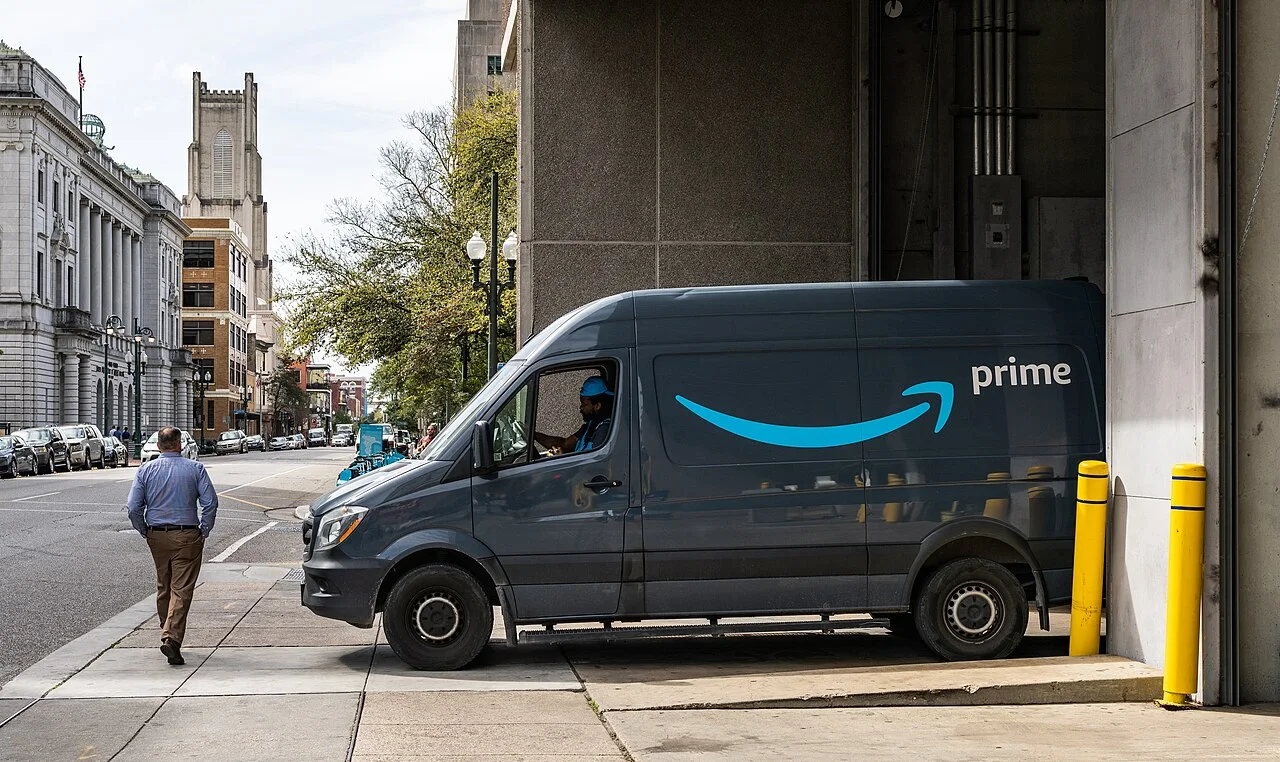
Families on WIC can soon pay for grocery orders online with their benefits, in states that choose to offer it. A final rule published Friday by the Agriculture Department lifts the federal ban on approving online stores for the program. It takes effect Dec. 7.
WIC, the Special Supplemental Nutrition Program for Women, Infants, and Children, served about 6.9 million people a month in fiscal 2025, and its participants include roughly 4 in 10 infants in the United States, the department says. Until now, the rules required shoppers to enter a PIN or sign in front of a cashier, which kept WIC benefits out of most online checkouts. Some states have run online shopping projects anyway, under federal waivers issued through the American Rescue Plan Act, and the rule replaces those waivers.
When online WIC shopping reaches your state
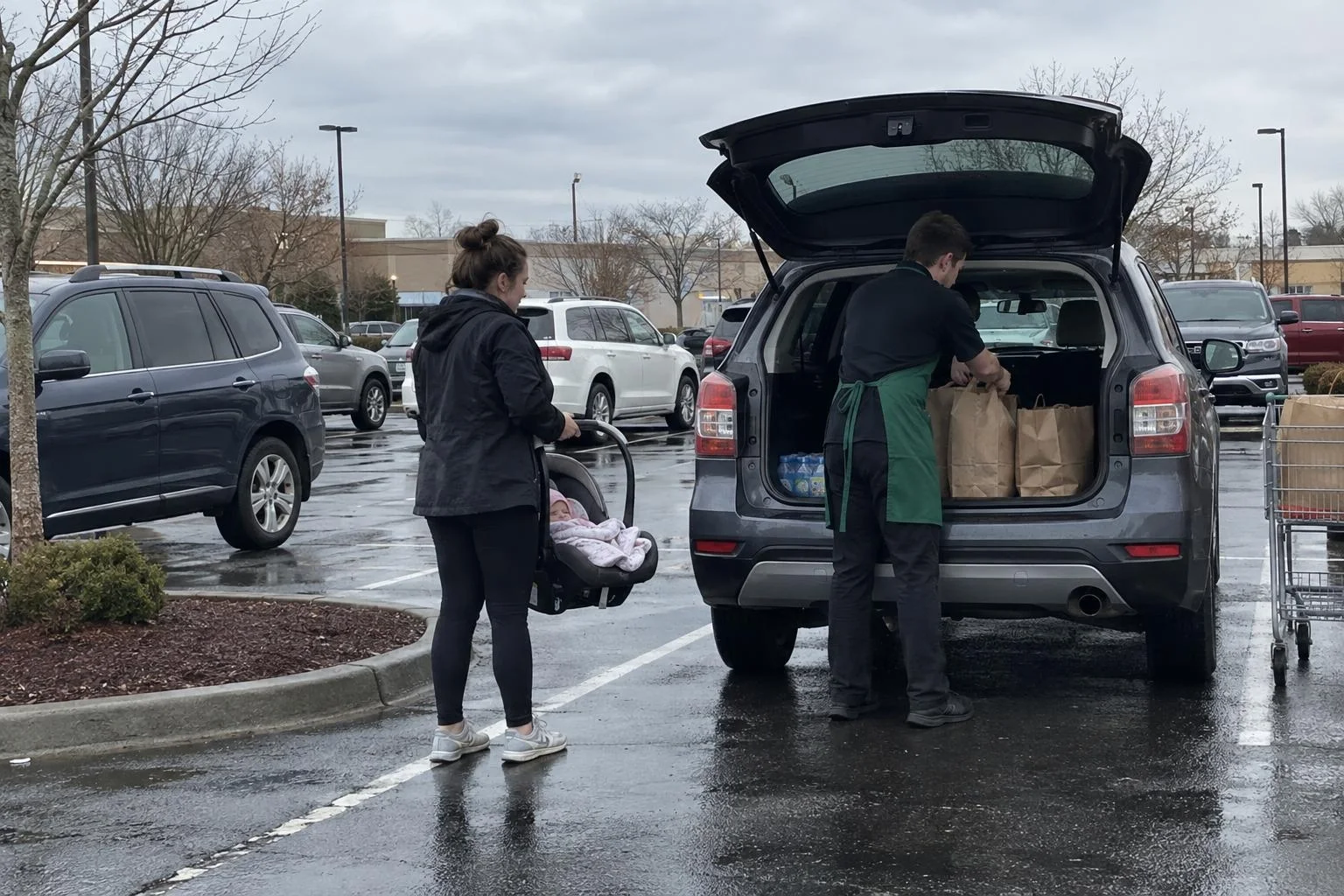
Each state WIC agency decides whether and when to offer online shopping, and with which stores. All states must update their store agreements and policies by Feb. 4, 2027, but launching online ordering is up to them.
So far, 22 state WIC agencies have received federal subgrants to build online shopping through the Center for Nutrition & Health Impact, which runs the USDA-funded WICShop+ project. Kansas WIC, for example, is working to expand Walmart's existing WIC online ordering and to add a home food delivery option. The department expects 44 state agencies to approve about 110 online stores at first.
The project's page for participants says timelines differ by state and that some funded projects are not yet taking orders. Your state WIC office can tell you when it will start.
Who pays delivery fees

WIC benefits still pay only for food. Federal WIC money cannot cover delivery, service, convenience or bag fees. If a store charges those fees to all its customers, a WIC shopper can pay them with a different form of payment, and the store cannot bill the state WIC agency. A state can choose to cover the fees with money from outside WIC.
The department puts the typical delivery and service charge on an online grocery order at $10.66 in 2027. By 2031, if 44 state agencies offer online shopping, it projects that about 961,000 participants will place an online WIC order each month and that roughly 159,000 households will pay a combined $22 million a year in delivery fees.
Some commenters asked the department to let stores waive delivery fees for WIC customers only, the way sales tax is not charged on WIC foods. The department declined. Changing its equal-treatment rule for stores is outside this rulemaking, it said, and banning the fees could discourage stores from offering online WIC shopping at all.
Other changes for WIC shoppers
- In states that approve online stores, benefits for an item you return, or for an online item the store could not fill, go back on your balance. In-person returns post right away, and mailed returns or unfilled items within two business days. You can use them through the end of that month. States have until Nov. 6, 2028, to set this up.
- WIC shoppers can exchange recalled foods the same way other customers can. Cash refunds are still not allowed.
- States can load benefits onto a card remotely. A signature is needed only when benefits are picked up in person.
- States may test other payment methods, such as mobile payments, alongside the WIC card.
The department is taking comments until Jan. 5, 2027, mainly on how the changes affect state systems, card processors and stores.