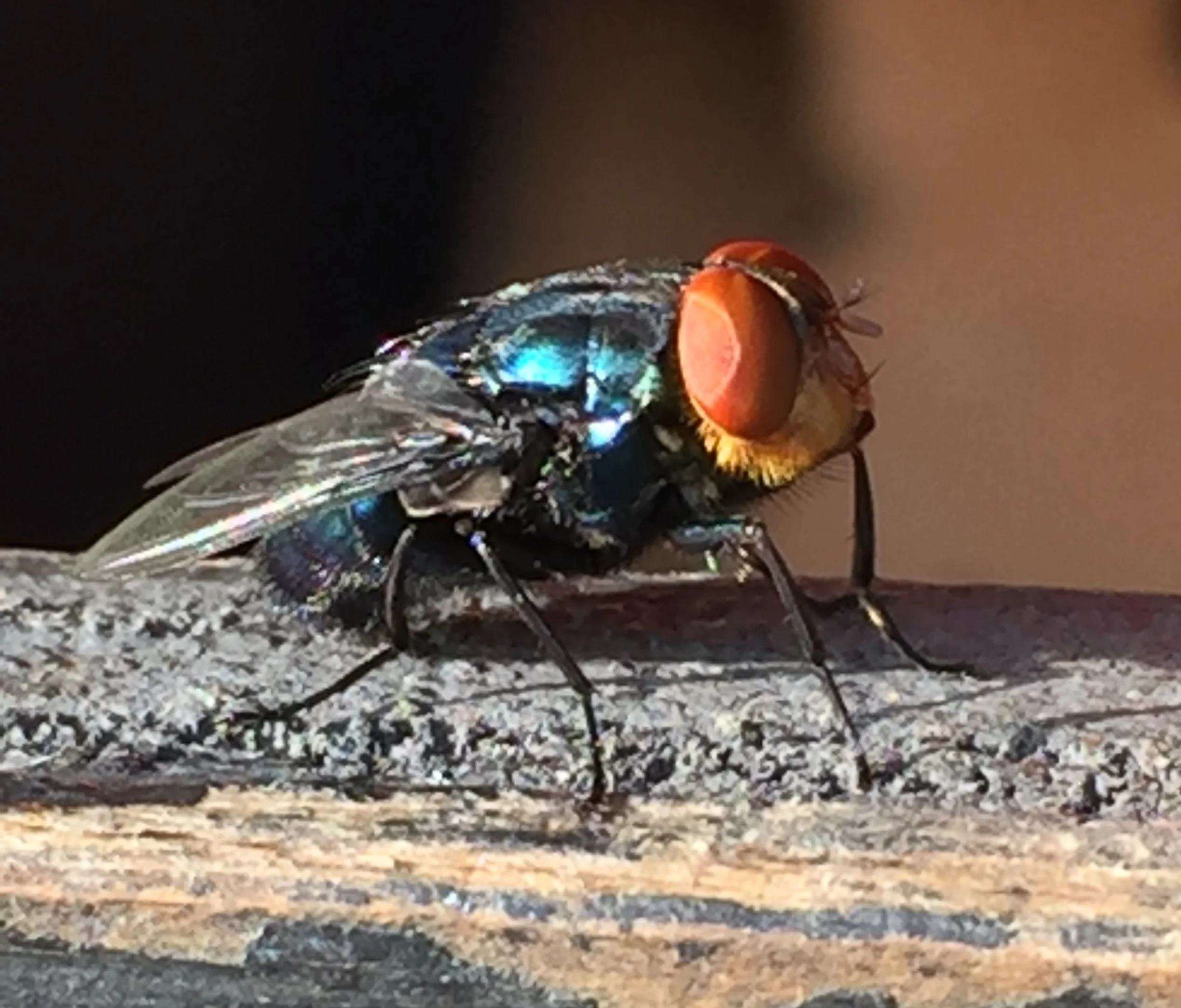
A dog in Cochise County has tested positive for New World screwworm, marking Arizona's first confirmed detection. USDA announced the case October 28, according to Reuters. The dog had maggots in a wound on its back, and laboratory testing confirmed the infestation, the Arizona Department of Agriculture told the news agency.
The immediate concern is for people caring for pets and livestock in the area, along with wildlife observers who may encounter an injured animal. FOX 10 Phoenix reported that USDA and Arizona agriculture officials are mounting a joint response. Officials did not identify a location within the county in that report.
Inspect wounds and report suspicious larvae
New World screwworm is a fly whose larvae feed on living tissue. USDA's animal guidance lists maggots in wounds, a smell of decay, irritated behavior and head shaking among signs to report. Infestations can cause severe, sometimes fatal damage.
The University of Arizona Cooperative Extension advises regular animal inspections, prompt attention to wounds and particular vigilance for unusual wounds or those that do not heal. It directs suspected cases to a veterinarian or [email protected].
Arizona's October 19 reporting advisory, displayed on the state's site October 20, gives separate routes:
- Pets and livestock: report unusual wounds containing maggots immediately to the state agriculture department at 602-542-4293.
- Wildlife: report suspected infestations to Arizona Game and Fish at 623-236-7201, recording the animal's approximate GPS location.
That older advisory predates the Arizona detection. Its statement that Arizona had no confirmed cases described October 19 and is no longer current.
USDA recommends protecting animals from wound-causing parasites such as ticks and checking livestock pens and equipment for sharp objects. An infested animal should receive treatment according to its veterinarian's recommendations.
A confirmed animal case is not a transmission map
The detection does not establish where the dog encountered the parasite. The reports cited above do not give its travel or movement history. They should not be read as identifying every place where flies are present or establishing county-wide transmission.
USDA's case dashboard guidance distinguishes an individual animal's status from an infested zone. An “active” animal case means mitigation, including treatment and wound management, is ongoing for that animal. State animal-health authorities are the source for current zone status.
Human precautions have a separate scope
In its October 22 situation summary, CDC assessed the risk to people in the United States as very low and reported no locally acquired human infestations. That assessment predates the Arizona announcement.
Where these flies are present, CDC advises keeping wounds clean and covered, wearing covering clothing and using an EPA-registered insect repellent. Anyone who sees or feels maggots in a wound should contact a healthcare provider immediately. CDC says not to remove or dispose of them yourself.