Starting late Tuesday, everyone boarding a flight to the United States from another country will have to sign a statement saying they have not been in the Democratic Republic of the Congo in the past 21 days. The rule applies to U.S. citizens and green card holders as well as visitors, and to international flights from every country. It is part of the federal response to an Ebola outbreak in Congo that has now passed 10,000 confirmed cases.
The requirement covers flights that leave a foreign country at or after 11:59 p.m. Eastern on Tuesday, Nov. 3, according to the Centers for Disease Control and Prevention's order. Passengers who do not complete the statement will not be allowed to board.
Airlines collect the statements. The order requires them to confirm at or shortly before boarding that every passenger has signed, on paper, with a digital signature or by ticking an electronic checkbox, and to keep each signed form for 42 days. A representative can complete it on a passenger's behalf, and CDC has posted the form for airlines to use. The order also covers people connecting through U.S. airports and flight crews. Willfully giving false information can bring criminal fines and prison time under federal law, the order warns.
Most travelers will only need to confirm they have not been to Congo. Anyone who has, even just to change planes at a Congolese airport, cannot board a U.S.-bound flight until Day 22. CDC counts the day a person leaves Congo as Day 0.
Other rules already in place
The attestation adds to restrictions that were already in effect, CDC's traveler guidance shows:
| Recent travel (past 21 days) | U.S. citizens and nationals | Everyone else, including green card holders |
|---|---|---|
| Congo | Cannot board a flight to the U.S. | Cannot board a flight to the U.S. |
| Uganda or South Sudan (not Congo) | Must fly into a designated airport for health screening | Not allowed to enter |
| Anywhere else | Sign the attestation | Sign the attestation |
The designated airports for screening are Washington Dulles, Atlanta's Hartsfield-Jackson and New York's JFK, according to CDC.
How big the outbreak is
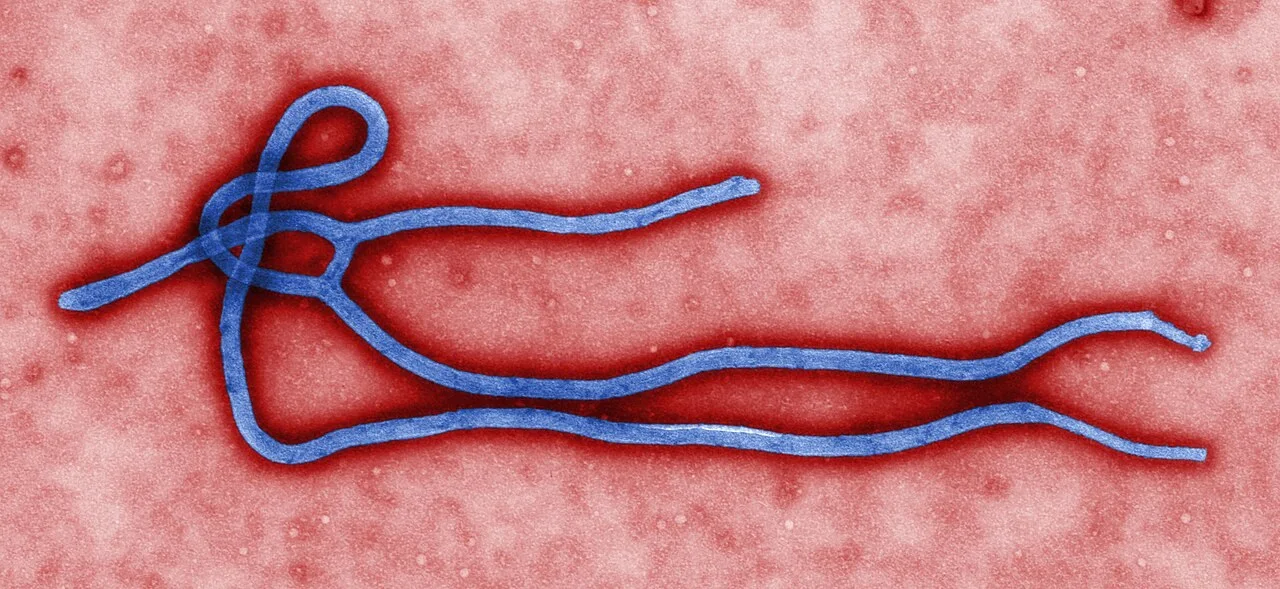
As of Oct. 31, CDC counted 10,498 confirmed cases and 5,107 confirmed deaths across five countries. Nearly all are in Congo, with 10,467 cases and 5,103 deaths. Kenya has confirmed nine cases and two deaths after an imported case and linked cases in Nairobi. Nigeria has one confirmed case, while Uganda's 20 confirmed cases and France's one are older: CDC says the last patients in both countries recovered in July.
The disease is caused by Bundibugyo virus, one of the viruses that cause Ebola. The World Health Organization's latest outbreak report says no vaccine or specific treatment is approved for it, though a trial of vaccine candidates began in Congo on Oct. 23.
CDC says the risk to the American public remains low and that no cases from this outbreak have been reported in the United States.