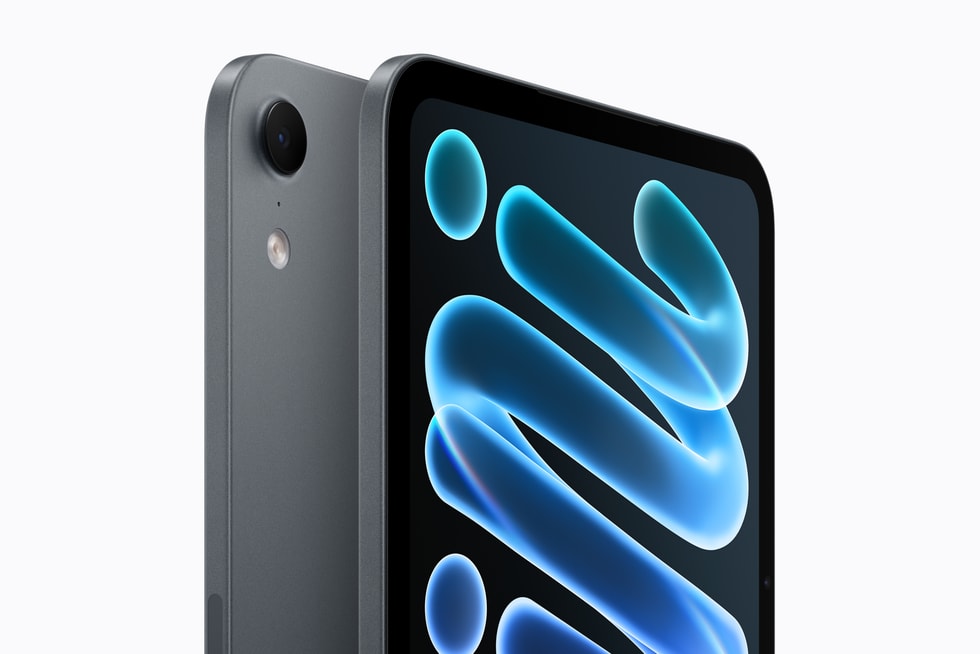

Apple's 14-inch MacBook Pro with M6 starts at $1,999 in the US, with preorders opening October 28 and availability beginning November 6. That is $300 above the M5 model's March price, but the increase happened months before this launch: the 1TB M5 MacBook Pro had already reached $1,999 in June.
At that price, M6 adds a 12-core CPU and GPU, faster wireless connections, and performance gains Apple reports from selected graphics and AI tests. Starting memory remains 16GB, and 1TB of storage is already familiar from the M5 model sold since March.
The $300 increase predates M6
Apple's March announcement priced the base M5 MacBook Pro with 1TB of storage at $1,699, or $1,599 for education. On June 25, The Associated Press reported that Apple had raised the 1TB model to $1,999, citing rising memory and storage costs.
| US standard starting price | Model and timing |
|---|---|
| $1,699 | Base M5 with 1TB, announced in March |
| $1,999 | 1TB M5 after the June price increase |
| $1,999 | New M6, announced October 27 |
The difference from March is about 17.7%. Comparing only the March and October announcements would hide the intervening price change and suggest the M6 launch caused a new $300 jump.
The M6 announcement lists education pricing from $1,899. That is a $100 saving against its standard price and $300 above the March education starting price. It does not establish when education pricing changed between those dates. Apple's Education Store has its own eligibility requirements; the discount is not available to every buyer.
What changes from the base M5
Apple's M5 technical specifications, its March storage update and the current MacBook Pro specifications establish a useful comparison:
| Feature | Base M5 model | New M6 model |
|---|---|---|
| CPU and GPU | 10 cores each | 12 cores each |
| Starting memory | 16GB | 16GB |
| Maximum memory | 32GB | 32GB |
| Starting storage since March | 1TB | 1TB |
| Wireless | Wi-Fi 6E, Bluetooth 5.3 | Wi-Fi 7, Bluetooth 6 |
| Apple-rated video streaming battery life | Up to 24 hours | Up to 24 hours |
Storage history matters when comparing a remaining M5 listing. Apple's original specification page includes a 512GB option, while the March announcement made 1TB standard. A discounted 512GB machine is a different configuration from the 1TB M6 starting model, even when both listings say “14-inch MacBook Pro.”
M6 keeps the Liquid Retina XDR display, three Thunderbolt 4 ports, HDMI, an SDXC card slot, MagSafe 3 and a headphone jack. It supports two external displays. The base M6 should also be distinguished from the separately sold M5 Pro and M5 Max configurations; the higher-tier chip names do not describe the older base M5 used in this comparison.
How much weight to give the performance claims
Apple reports up to 30% faster graphics and up to 25% faster AI workloads than M5 in selected tests. Those figures describe Apple's benchmarks. A 30% result in one graphics task does not establish a 30% improvement in browsing, spreadsheets or every editing app.
The battery figures have a similar limit. Apple's M6 specifications list up to 24 hours of video streaming and up to 16 hours of wireless web use. Those are different tests, so the larger number should not be treated as a full working day's promise for every workload.
For an existing M5 owner, the unchanged starting memory, storage and rated video battery life make this a selective upgrade. A graphics-heavy job may justify looking closely at M6 benchmarks. Someone whose current laptop already handles their work gains less from replacing it solely because the chip number changed.
For buyers comparing an M5 clearance offer with M6, the useful comparison is the final price for the memory and storage they actually need. Check whether the older machine is new or refurbished and which warranty and return terms apply.
Buying and leasing have different end points
Apple advertises M6 through Apple Upgrade from $38.99 a month for 36 months, excluding taxes and any trade-in credit. Those advertised payments add up to $1,403.64 over the term. They are lease payments, not the full purchase price.
The Apple Upgrade terms say the customer does not automatically own the device at the end. Keeping it requires exercising the purchase option, based on the original list price less qualifying payments and credits, plus applicable taxes. Returning it requires the device to be in good working condition; damage fees can apply.
For an illustrative $1,999 lease with 36 payments of $38.99 and no trade-in, the remaining purchase price would be $595.36 before taxes or other applicable charges. That is the difference between the list price and the $1,403.64 already paid. Returning the Mac would avoid that purchase payment but would leave the customer without the device.
The M6 model comes in space black and silver. Apple says orders begin October 28, with deliveries and store availability starting November 6.
Clarification, October 27: The $300 increase from March occurred in June, before the M6 announcement. This article now includes that pricing history.