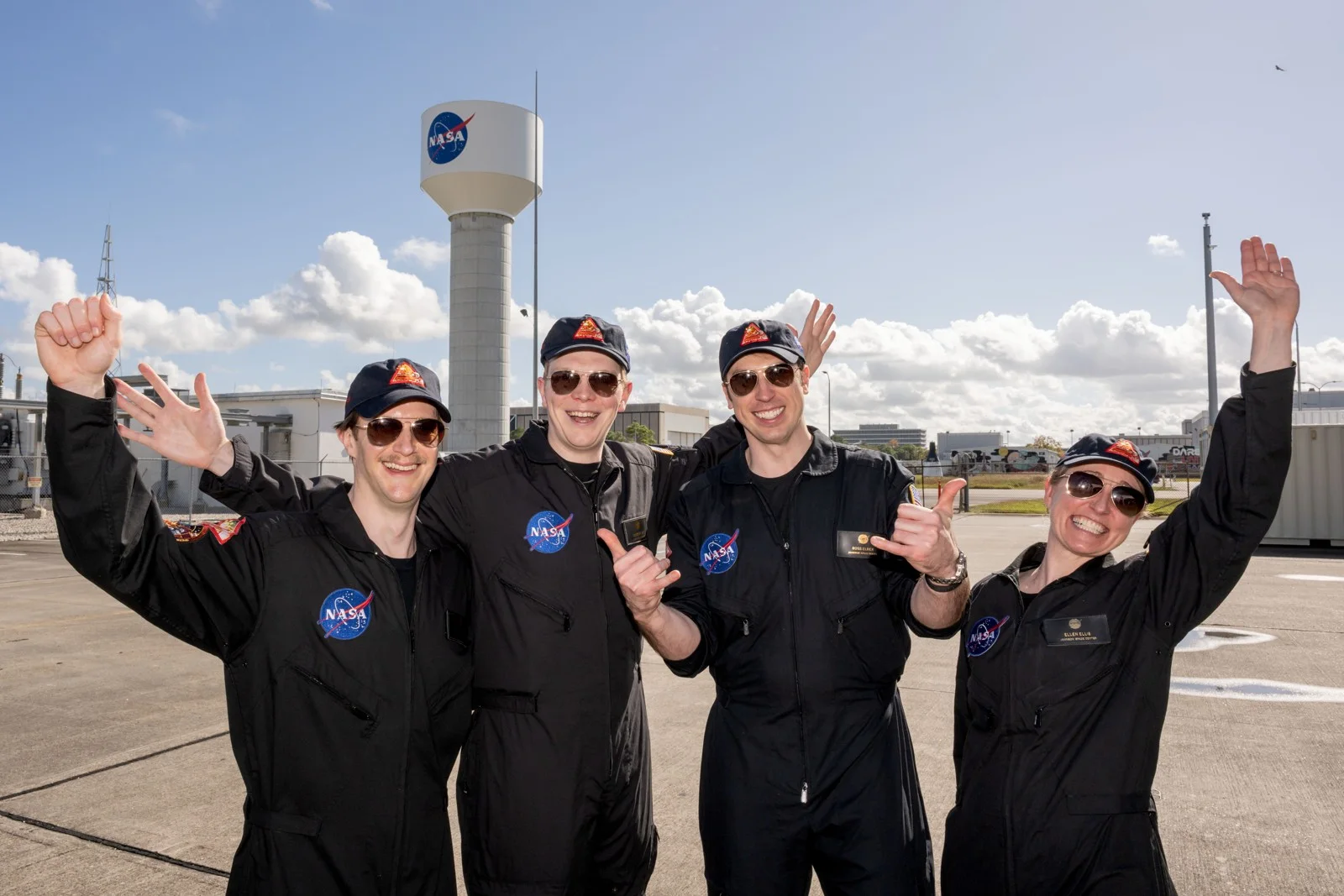
Four volunteers who spent 378 days sealed inside a pretend Mars base in Houston have stepped back outside. NASA's second Crew Health and Performance Exploration Analog mission, known as CHAPEA, ended Oct. 31, and the agency posted a photo of the crew outdoors for the first time in more than a year.
The crew members are Ross Elder, Ellen Ellis, Matthew Montgomery and James Spicer. They entered the habitat at NASA's Johnson Space Center on Oct. 19, 2025.
What they did for a year
The habitat is a 3D-printed structure of about 1,700 square feet, NASA says, built to mimic a home on the Martian surface. Inside it, the crew tested systems and grew crops. They also rationed limited supplies and worked around communication delays with Earth, and they went out on simulated spacewalks. Partway through, NASA cut them off for a simulated two-week communication blackout, which the crew talked about in one of the mission's podcast episodes.
NASA is collecting information on the crew's physical and behavioral health and performance, and the agency says what it learns will help it design its future Moon base and plan crewed missions to Mars.
The second year-long run
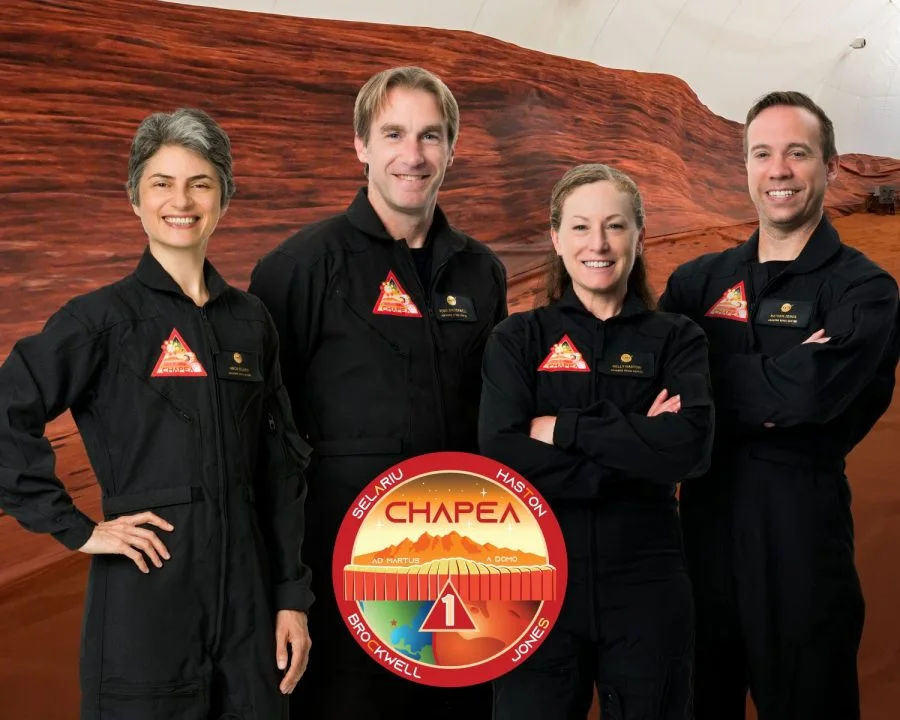
This was the second of the planned CHAPEA missions. The first crew lived in the same habitat from June 25, 2023, to July 6, 2024, also for a little over a year. NASA has not announced when a third mission will begin. Its program page still has a How to Apply section.
NASA put "returns" in quotation marks in its headline. The crew never left Earth.