Federal Reserve Governor Christopher Waller says he is leaning toward raising interest rates at the Fed's Dec. 8-9 meeting. If inflation stays as hot as it has been, he wants the committee to consider a half-point increase instead of the usual quarter point.
Waller laid out that test in a speech in London on Tuesday, a few hours before the October consumer price report came out. If core consumer prices, which leave out food and energy, rose "around 0.3 percent or even higher" for a third straight month, he said, "a 50 basis point hike in the policy rate should be considered at the December meeting." The Bureau of Labor Statistics report showed core prices up 0.3% in October, the third month in a row at that pace. Edit USA covered the full report on Tuesday.
The Fed's target range for its benchmark rate is 3.75% to 4% after the October meeting, when the committee held rates steady and two officials pushed for another increase. A quarter-point hike would lift the range to 4% to 4.25%. A half-point hike would take it to 4.25% to 4.5%.
What Waller said about inflation
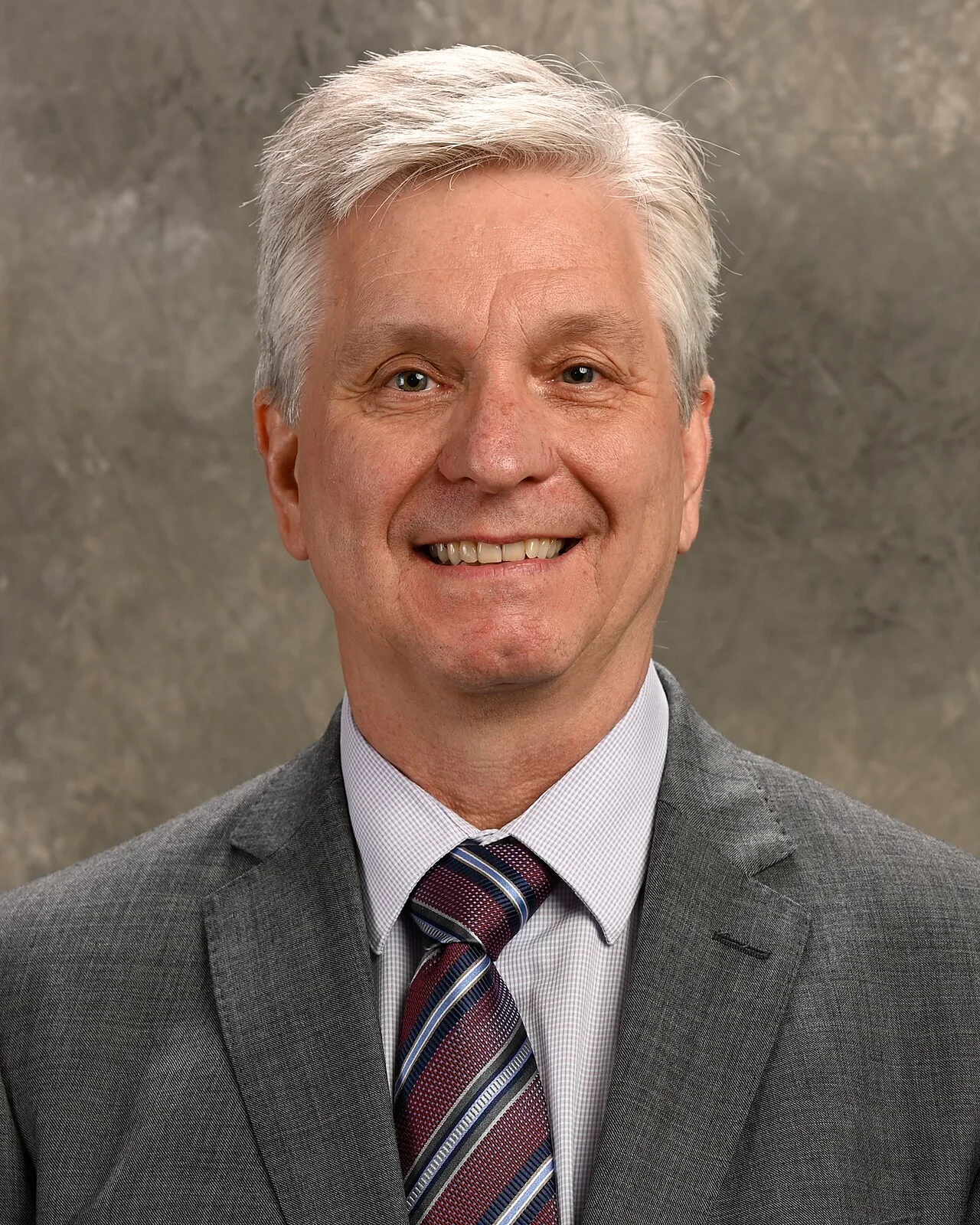
Waller voted with the majority to hold in October. He said markets had already priced in tighter policy because the committee had signaled more increases were likely. What matters, he argued, is that the promised hikes happen "in a reasonable period of time." If they do not, markets would push rates down on their own and loosen conditions the Fed wants tight.
"Let's just say it. September's inflation data were bad. There was no silver lining," Waller said. The Fed's preferred gauge, the personal consumption expenditures price index, rose 3.7% in the 12 months through September, and 3.1% without food and energy. The target is 2%.
He said the breadth of the increases worries him most. More than 70% of the service categories in the core index rose more than 3% over 12 months. He pointed to prices for high-tech goods tied to the AI buildout and to energy costs feeding into other goods and services, and said the findings of Fed staff research "do not encourage me to think that these factors will be fading anytime soon."
He described the rest of the economy as strong. Output grew at a 3.4% annual rate in the third quarter by the first estimate, and unemployment was 4.1% in October.
Bowman sees inflation persisting
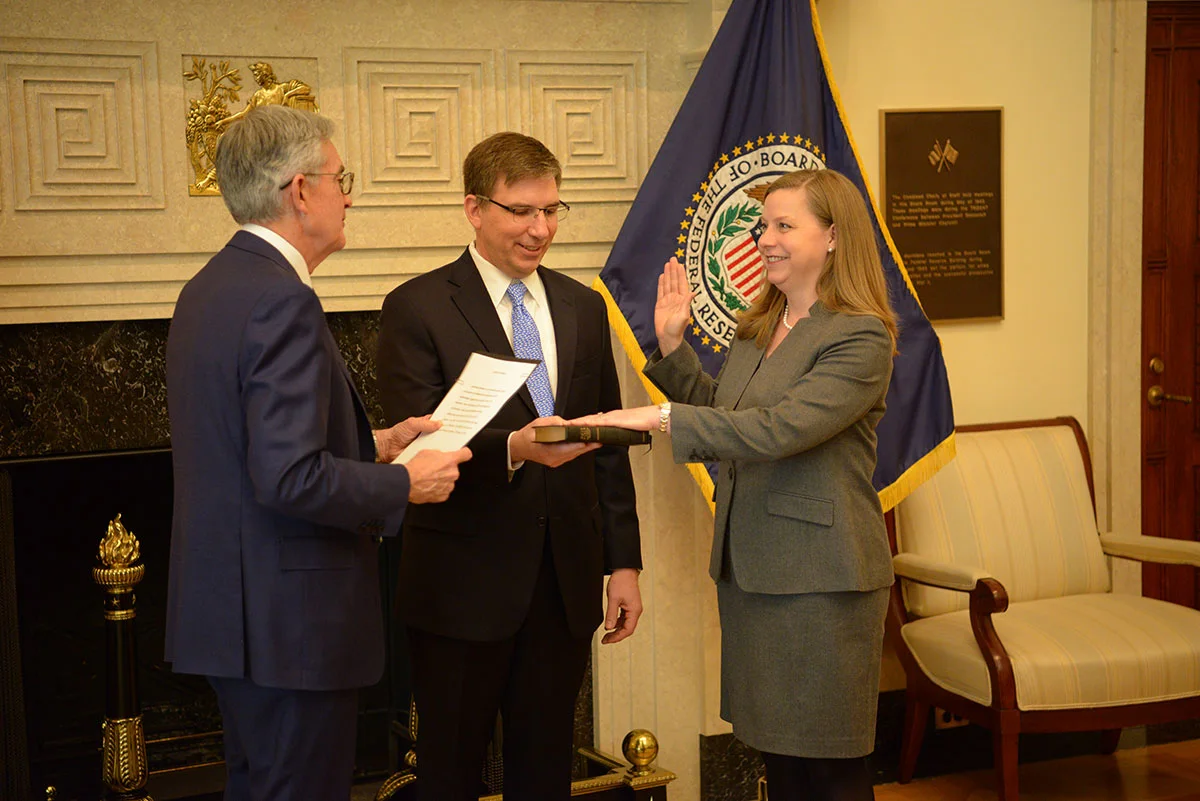
Michelle Bowman, the Fed's vice chair for supervision, spoke the same day and did not commit to a size or a date. She said she is "seeing signs that inflation pressures are persisting, while labor market conditions appear to be firming," and said that means "there is still work to do."
Her speech put more weight on the costs of going further. Falling stock prices, higher borrowing costs in private markets and a stronger dollar have already tightened financial conditions, she said, and newer and medium-sized firms seem to be putting off investment because of higher rates. The benefit of more tightening "has to be carefully weighed against its costs for interest-rate-sensitive sectors." She estimated that tariffs, energy and AI-related demand each explain about a quarter of the inflation above target in the 12 months through September.
Before the December meeting, the Fed will see the October report on personal consumption prices and the November jobs report, Bowman noted. Waller and Bowman each said they spoke only for themselves.
What a December hike would mean for borrowers

The Fed's rate sets the floor for short-term borrowing. Banks' prime rate, which most credit cards and home equity lines are pegged to, was 7% on Nov. 9 in the Fed's daily rate table, three points above the top of the Fed's range. When the Fed raises its range, banks have typically moved the prime rate up by the same amount, and accounts indexed to it follow.
For someone carrying a $6,000 card balance, a quarter-point increase adds about $15 a year in interest, and a half point about $30. Yields on high-yield savings accounts and new certificates of deposit tend to rise after a Fed increase as well.
The committee announces its decision at 2 p.m. Eastern (11 a.m. Pacific) on Dec. 9, along with new economic projections from each official.